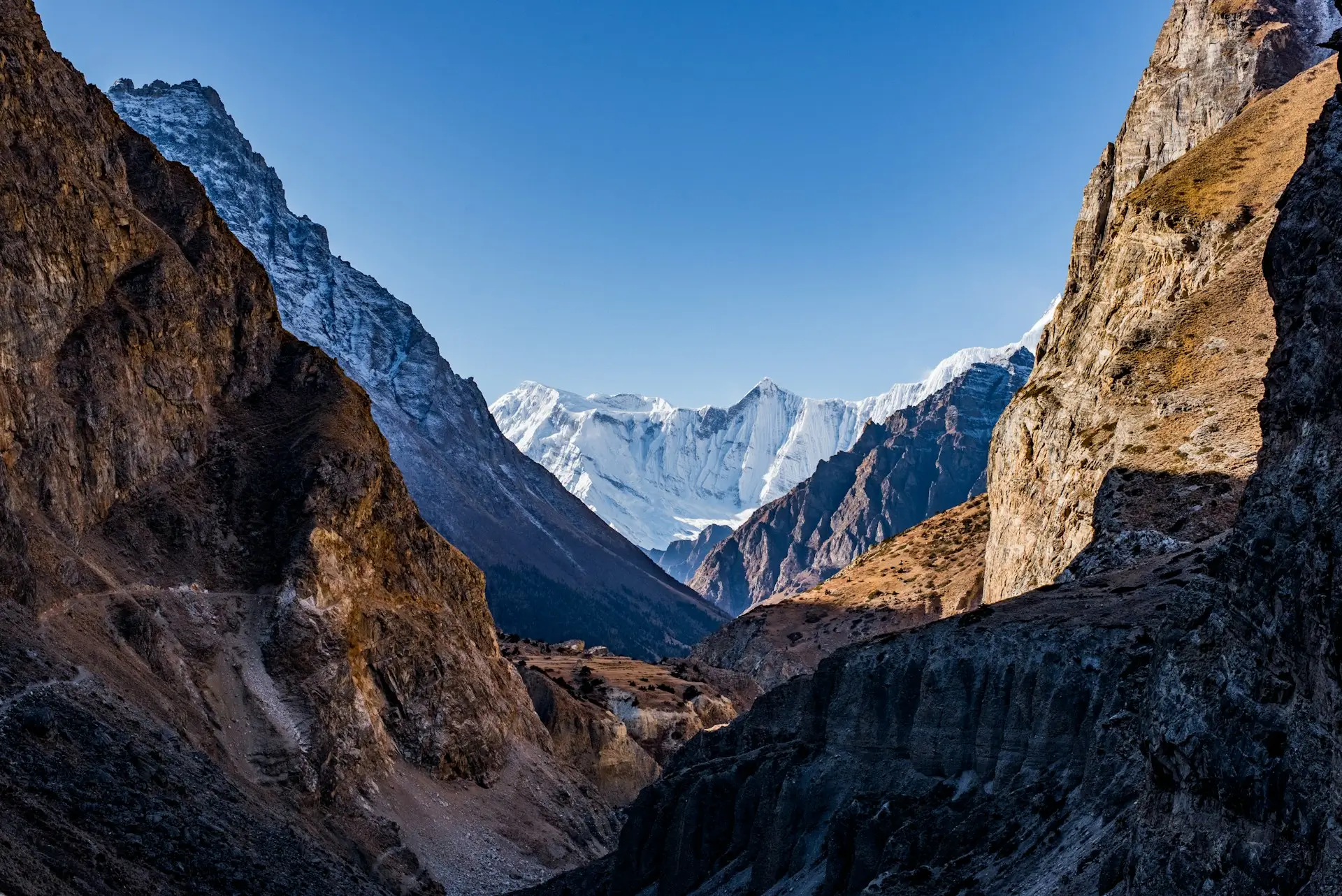
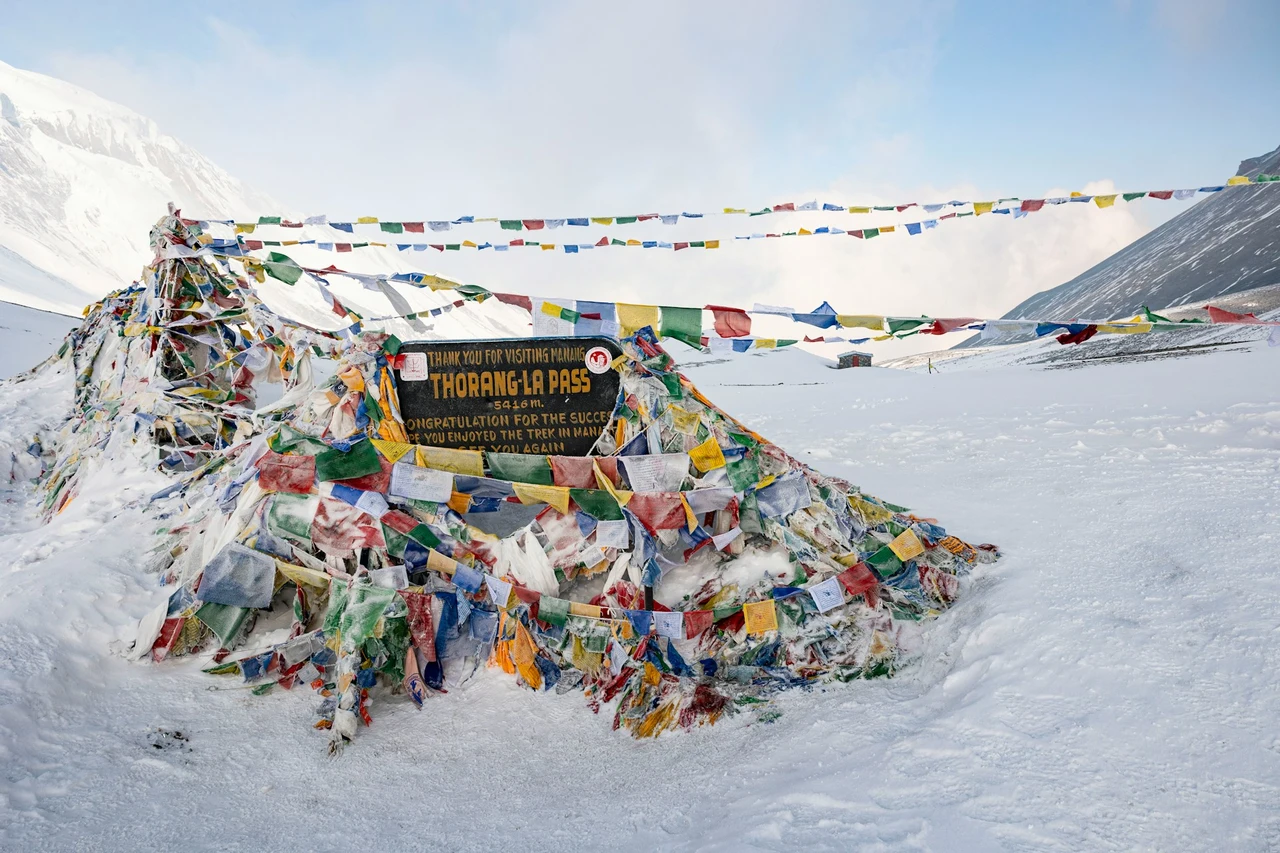
Quick answer: Yes, you can trek the Annapurna Circuit in winter (December to February), but it is a serious cold-season trek. The Thorong La pass (5,416 m) can close with snow, days are short, and some high lodges shut. The reward is clear skies, empty trails, and lower prices.
Key Takeaways
- Yes, the Annapurna Circuit is trekkable in winter (December to February). It is a harder, higher-commitment version, best for experienced, well-equipped trekkers.
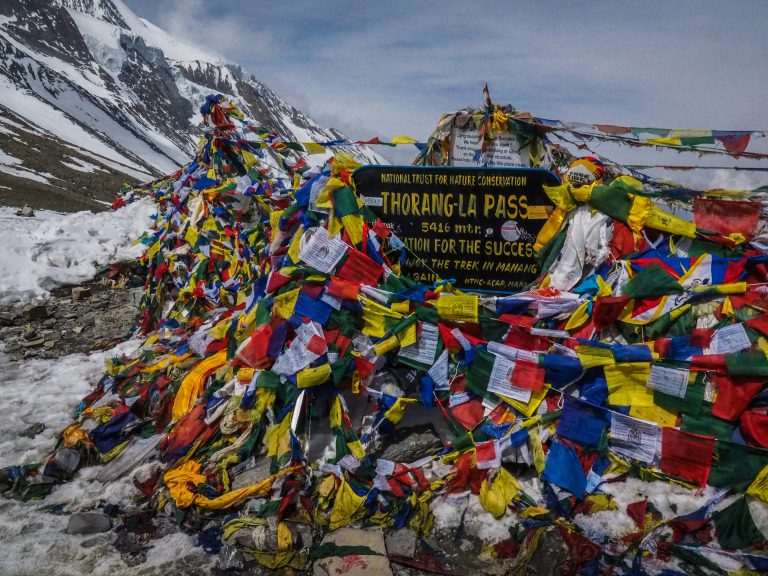
- Thorong La Pass (5,416 m) is the deciding factor. Heavy snow can block it for days. So a flexible plan and a guide who reads the weather are essential.
- Winter’s payoff is real: the clearest skies of the year, empty trails, and sharp, snow-dusted views.
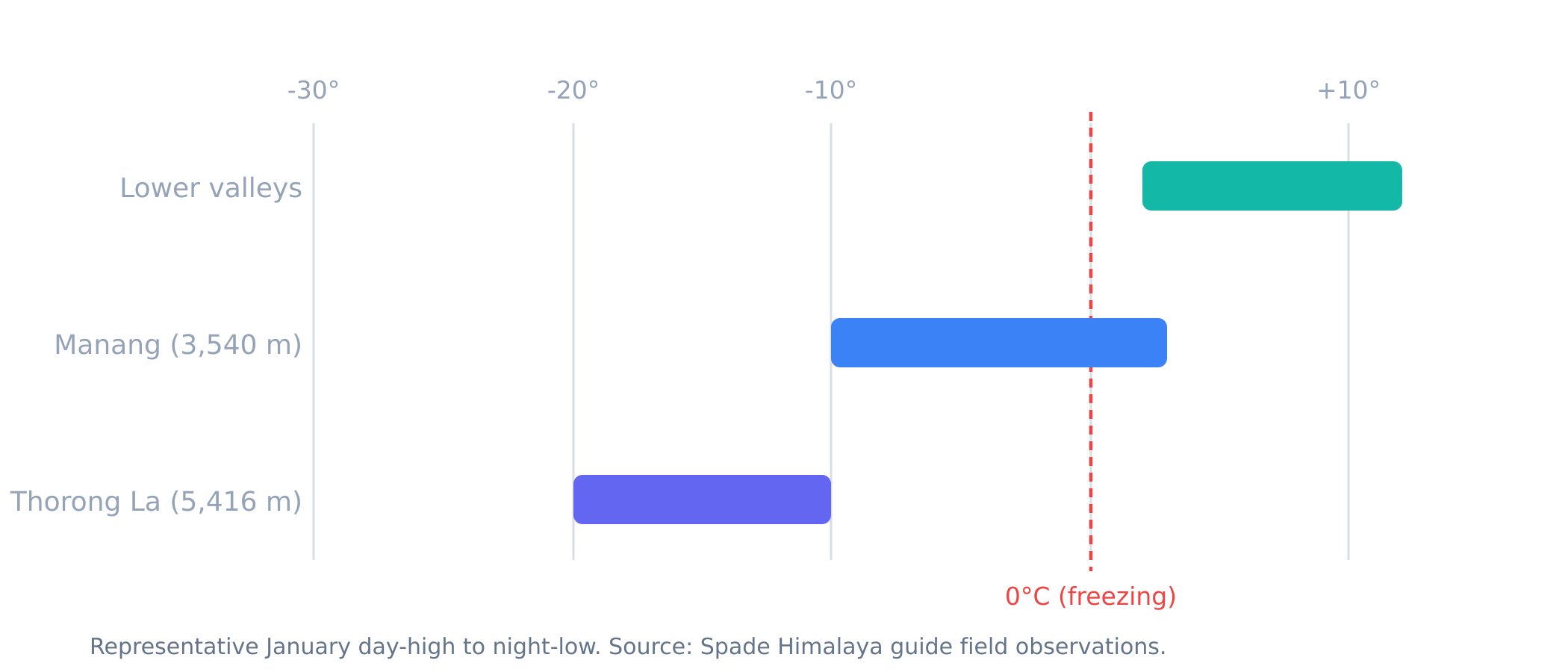
- Temperatures range from a mild 7 to 12°C in the lower valleys to as low as -20°C and colder at the high pass.
- A licensed guide through a registered agency is required for foreign trekkers on the Annapurna Circuit (Nepal Tourism Board).
- Budget roughly US$1,200 to US$1,800 for a guided winter trek of 12 to 18 days, plus the ACAP permit (about US$30).
Winter turns the Annapurna Circuit into the quietest, clearest version of one of the world’s great treks. It is also the coldest and most weather-dependent. So if you are ready for sub-zero nights and a real chance that Thorong La closes, the reward is a Himalaya almost to yourself. This guide covers what to expect from December to February 2026: conditions, costs, permits, gear, a realistic plan, and how to decide if the full Circuit is right for you.
It is a winter companion to our complete Annapurna region trekking guide. It also links through to our main Annapurna treks and planning guides, so you can go deeper as you plan.
Is the Annapurna Circuit doable in winter?
Yes. You can complete the Annapurna Circuit in winter, but only with the right preparation, and only if you accept that Thorong La may close. Winter (December to February) brings stable, dry, sunny days and superb visibility. However, the high sections see deep snow and ice. So the pass can be blocked for days at a time after heavy snowfall.
In practice, this makes winter the domain of experienced trekkers. They are comfortable on snow, carry the right traction, and keep a flexible schedule. From our guides’ experience, the trek is fully doable from Besisahar up through Manang. The real question is always whether and when you can get over the pass.
For the altitude, difficulty, and how guides decide whether to cross, see our dedicated Thorong La Pass guide.
What is the weather like on the Annapurna Circuit in winter?
Winter temperatures swing from comfortable in the lowlands to brutally cold at altitude. From our guides’ field experience, the lower valleys stay mild, around 7 to 12°C by day. Manang and the mid villages sit near or below freezing. And Thorong La routinely drops to -20°C and below. The trade-off for the cold is worth it, though. The stable, cloud-free air makes winter the best season for mountain photography.
December: cold nights, brilliant days
December offers some of the most reliable weather of the winter. Days are cool and sunny, with crystal-clear air. Daytime temperatures sit around 5 to 10°C in the mid-sections. Nights drop to about -5°C, and colder above 4,000 m. Early December also still has most teahouses open. So it is the most comfortable winter month.
January: the coldest month
January is the coldest stretch on the Circuit. In the higher regions, daytime temperatures range from about 1°C down to -10°C. The lower Circuit stays milder, at 7 to 12°C. The high passes can plunge to -20°C or -30°C. Snow on the upper trail is most likely now, and the chance of a pass closure peaks. So it rewards the toughest, best-prepared trekkers.
February: the turn toward spring
By late February, the deep cold begins to ease and the days grow longer. Still, snow from earlier storms can linger on the pass. So it is a transitional month, quieter than spring but slowly warming.
Why trek the Annapurna Circuit in winter?
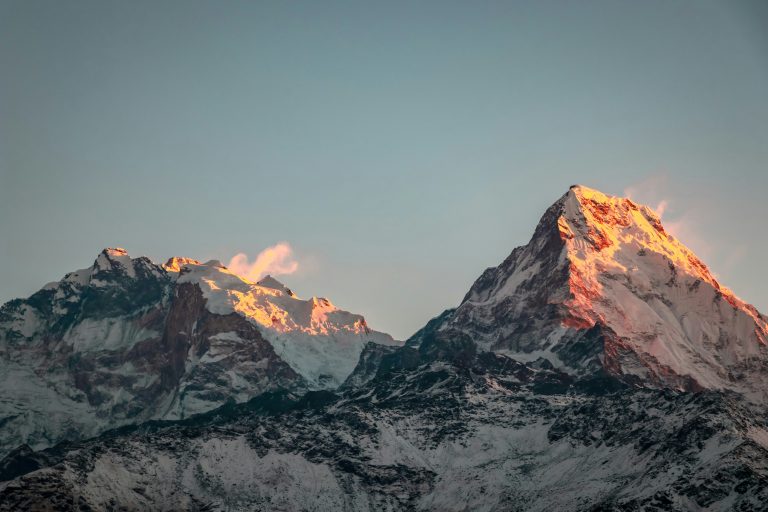
Winter’s biggest wins are solitude, clarity, and value. With the autumn crowds gone, the trail and teahouses are peaceful. The stable winter air gives the sharpest Himalayan views of the year. And low-season demand can mean better availability.
- Empty trails. The Circuit’s busiest months are October and November. In winter, you may walk for hours without seeing another group.
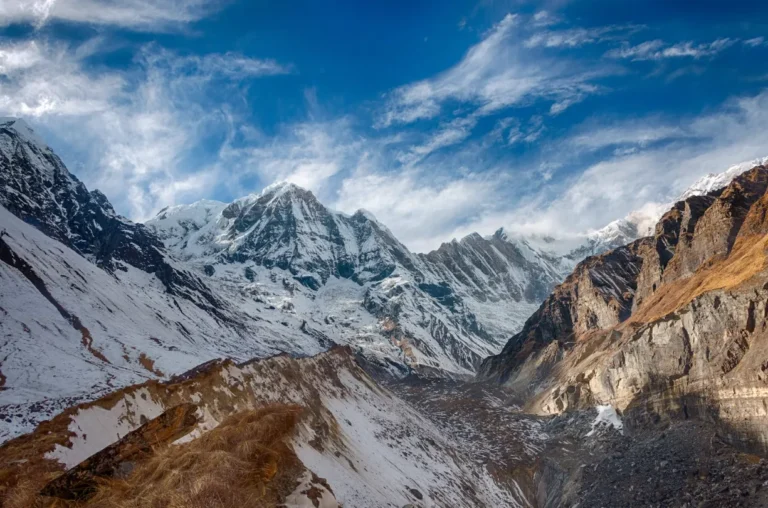
- The clearest skies of the year. Dry winter air means crisp, snow-dusted views. So it is the best season for photography.
- A different mountain. Snow transforms familiar viewpoints, and frozen high lakes add to the scenery.
Trying to decide between seasons? Our Annapurna region trekking guide compares the trade-offs across the whole year.
What are the risks and challenges of a winter Circuit?
The main winter risks are extreme cold, a possible Thorong La closure, partial teahouse closures, short daylight, and altitude sickness. None should be underestimated. However, each one has a clear fix.
- Pass closure. Heavy snow can block Thorong La, sometimes for several days. So a flexible plan with buffer days is essential. Your guide may reroute or turn back for safety. The full crossing detail is in our Thorong La Pass guide.
- Closed teahouses. Some high lodges, mainly around Thorong Phedi, close for winter. So options thin out near the pass.
- Short daylight. Winter days are short, which limits walking hours. So plans must avoid being on the trail after dark.
- Altitude sickness. Going too high too fast is the main risk. Gradual ascent and acclimatization still matter in winter. Also, the cold can hide the dehydration that adds to it (CDC Yellow Book).
Do you need a guide for the Annapurna Circuit in winter?
Yes, and not only for safety. The law now requires it. Since 1 April 2023, Nepal requires every foreign trekker to hire a licensed guide through a registered agency. So independent trekking is no longer allowed on the Annapurna Circuit (U.S. Embassy in Nepal; Nepal Tourism Board). The rule still holds in 2026, with one guide allowed to lead up to seven trekkers, and it is strictly enforced. Trekking without a guide risks removal from the trail, fines, or blacklisting.
In winter, that rule is also plain common sense. A guide who knows the route reads the snow and avalanche conditions. The guide also makes the call on the pass, finds the lodges that stay open, and manages altitude. So that is the difference between a memorable trek and a dangerous one.
This is exactly the kind of trek Spade Himalaya runs as a private, custom departure with licensed guides. For the full permit and guide rules, see the permits section of our Annapurna region trekking guide.
Trek the winter Circuit with a licensed local guide
Spade Himalaya’s 12-day private Annapurna Circuit Trek is led by licensed Nepali guides who specialise in off-season departures, with flexible buffer days built in for the pass. For a longer, culturally fuller version, see the 15-day Annapurna Circuit via Thorong La Pass.
How should you prepare? Winter gear and fitness
Winter prep comes down to three things: serious cold-weather layers, reliable traction for snow and ice, and real hill fitness. The gear that is optional in autumn is mandatory in winter. From our guides’ experience, you need extra insulating layers at a minimum. You also need a four-season sleeping bag, insulated boots, and microspikes for moderate snow or full crampons for deeper ice.
Winter essentials checklist:
- Down jacket plus several insulating mid-layers
- Four-season sleeping bag (rated to -15°C comfort or lower)
- Insulated, waterproof boots plus gaiters
- Microspikes or crampons and trekking poles
- Thermal base layers, warm hat, balaclava, insulated gloves
- High-SPF sun cream and glacier-grade sunglasses for the snow glare
- Headlamp (short daylight) and a reusable insulated water bottle
For acclimatization, build at least 1 to 2 rest days into the plan, above all at Manang (3,540 m). Also use a “climb high, sleep low” hike to Gangapurna Lake or Ice Lake. Health authorities advise gradual ascent. So avoid big gains in sleeping height in a single day, once above roughly 2,500 to 3,000 m (CDC Yellow Book).
How much does a winter Annapurna Circuit cost in 2026?
Expect roughly US$1,200 to US$1,800 for a guided Annapurna Circuit of 12 to 18 days in 2026. The budget range runs about US$900 to US$1,800, depending on length and service level. A guided package usually bundles permits, guide, teahouse rooms, meals, and ground transport from Kathmandu.
| Cost item | 2026 estimate | Notes |
|---|---|---|
| ACAP permit | about US$30 (NPR 3,000) | Mandatory; SAARC citizens NPR 1,000; issued by NTNC |
| TIMS card | about US$15 (NPR 2,000) | Non-SAARC rate; verify before travel |
| Daily on-trail spend | US$25 to US$35/day | Lodging, meals, hot showers, charging; rises with altitude |
| Guided package (12 to 18 days) | US$1,200 to US$1,800 | Permits, guide, lodging, meals, transport |
The ACAP permit is issued by the National Trust for Nature Conservation. You can get it online via the official NTNC e-permit portal. Winter is low season too. So package and lodge prices can be softer than in peak autumn. For a full line-by-line breakdown, see our complete Annapurna Circuit cost guide 2026.
Verify before you book: Permit fees and the TIMS rule can change. So confirm current rates with the Nepal Tourism Board or NTNC before you finalise.
What does a realistic winter itinerary look like?
A winter plan should be a little longer and more flexible than an autumn one. It needs buffer days for weather and shorter daily stages to match the limited daylight. A 12-day private trek is a practical, well-paced winter window when guided. It has built-in acclimatization at Manang and a contingency day for the pass.
Here is the typical shape. First, you drive into the lower valleys. Then you climb steadily through Chame and Upper Pisang. Next, you take an acclimatization day at Manang (3,540 m). After that, you make the staged approach to Thorong Phedi. Then comes the early-morning pass crossing to Muktinath, with a buffer day held in reserve in case Thorong La is snowbound.
See the full guided itinerary
Spade Himalaya’s 12-day Annapurna Circuit Trek is structured for winter, with acclimatization and a pass-day buffer already built in.
What are the winter alternatives if the full Circuit isn’t right?
If sub-zero high passes are not for you, lower Annapurna treks give the same clear winter views with far less risk. Being honest about this matters. The right trek is the one that fits your experience.
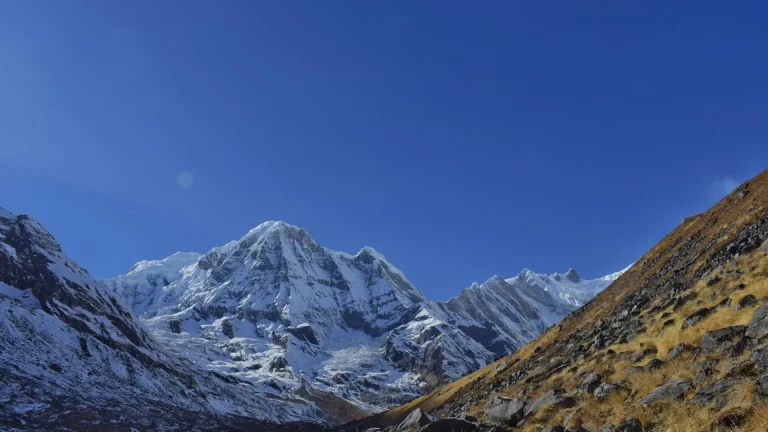
- Poon Hill (3,210 m). This is the safest, easiest winter option. In our guides’ experience, the trails stay largely dry, the snow is light and short-lived, and the Annapurna range looks especially sharp against winter skies.
- Annapurna Base Camp in January. It is doable but cold, around -15°C, with snow and icy trails. February carries more snow and avalanche risk, and it needs experience.
Still weighing routes? Read Annapurna Circuit vs. Annapurna Base Camp.
Final verdict: who should trek the Annapurna Circuit in winter?
Choose the winter Circuit if you are an experienced, cold-tolerant trekker who values solitude and clear views over easy conditions, and who can stay flexible if Thorong La closes. With proper gear, a licensed guide, and buffer days, winter shows the Annapurna Circuit at its most serene. Are you newer to high-altitude trekking, or do you want lower risk? Then Poon Hill or a guided lower-altitude option will suit you better. Either way, in 2026 you will trek with a licensed guide. So the real choice is simply which route fits you.
FAQs
Is the Annapurna Circuit open in winter?
Yes. The Annapurna Circuit is open year-round, and the lower and middle sections are very trekkable in winter. The variable is Thorong La Pass (5,416 m). It can close for a time after heavy snowfall, so a flexible plan is essential.
How cold does the Annapurna Circuit get in January?
The lower valleys stay around 7 to 12°C by day. The higher regions range from about 1°C to -10°C in daytime. Thorong La Pass can drop to -20°C and lower, with wind chill pushing it toward -30°C.
Can you cross Thorong La Pass in winter?
Often yes, but not always. After heavy snow, the pass can be blocked for days. An experienced guide checks conditions and decides whether to cross, reroute, or wait. So buffer days and a licensed guide are critical in winter.
Do I need a guide for the Annapurna Circuit in 2026?
Yes. Since April 2023, Nepal requires foreign trekkers to use a licensed guide through a registered agency on routes including the Annapurna Circuit. The rule still holds in 2026. Trekking without one risks fines, removal from the trail, or blacklisting.
Are teahouses open on the Annapurna Circuit in winter?
Most lower and mid teahouses stay open. However, some high lodges near Thorong Phedi close for winter. So options near the pass are limited, and you should plan stages around lodges that are confirmed open.
What gear is essential for a winter Annapurna Circuit?
Beyond standard trekking kit, you need heavy insulating layers, a four-season sleeping bag, insulated boots, and microspikes or crampons for snow and ice. Trekking poles, sun protection, and a headlamp for the short daylight are also essential.
How much does the winter Annapurna Circuit cost in 2026?
A guided trek of 12 to 18 days usually costs US$1,200 to US$1,800. The wider range is about US$900 to US$1,800. Add the ACAP permit (about US$30) and on-trail spending of US$25 to US$35 a day. Winter low-season pricing can be more favourable.
Accuracy note: official fees, rules, and hard facts in this guide are cited inline from their sources; trail and price details are Spade Himalaya field research; route details reviewed by Yubaraj Katel, government-licensed trekking guide (Licence No. 19827) with 10 years of experience leading treks in the Annapurna region.

Keep Planning Your Trek
Updated: 6 Jul, 2026
7 min
Annapurna Circuit Trek Cost in 2026: Full Breakdown
Quick answer: A guided Annapurna Circuit Trek is good value, with mandatory but cheap permits and...
Updated: 6 Jul, 2026
8 min
Thorong La Pass (5,416 m): Altitude, Difficulty & Crossing Guide
Quick answer: Thorong La (5,416 m) is the high point of the Annapurna Circuit and one...
Updated: 15 Jul, 2026
12 min
Annapurna Region Treks: Routes, Cost & Best Time (2026 Guide)
Quick answer: The Annapurna region, near Pokhara, has Nepal’s widest range of treks: from the easy Poon...