Route advisory, 1 September 2026. A glacial flood on 26 August 2026 destroyed road access in Rasuwa district, including Syabrubesi, the road trailhead for this trek. The Nepal Tourism Board has advised postponing travel through the Galchhi to Nuwakot to Rasuwa to Syabrubesi corridor, and the Prithvi Highway has been closed. Early estimates for restoring basic road access run from several weeks to several months and are not yet firm.
The trails themselves are largely intact. What has closed the region is the loss of the single road that serves the Langtang, Gosaikunda and Tamang Heritage routes together. The costs, distances and route detail below describe this trek in normal conditions and remain accurate for planning a future trip, but they should not be used to travel now. The Everest and Annapurna regions, Kathmandu, Pokhara and Chitwan are unaffected and operating normally.
Update, 2 September 2026. We are now running a 16 day alternative that walks in and out from Sundarijal and avoids the damaged road entirely, reaching Gosaikunda and the Langtang valley on foot in both directions. It is longer and more demanding than the standard route and is priced differently. Please contact us for the day by day detail.
We will update this page when access is restored. If you are holding autumn dates, please contact us and we will give you the current position honestly, including if the answer is to postpone.
Quick answer: You can trek the Langtang Valley in winter (December to February). It is cold but mostly dry, with clear views of snow-capped peaks and quiet trails. Days near Kyanjin Gompa run about 3 C and nights drop below minus 12 C, with snow common above 3,500 m. Pack warm gear.
You can trek the Langtang Valley in winter, and the clear skies and quiet trails make it special. The weather is cold but mostly dry. So you get bright views of snow-capped peaks. You just need warm gear and a flexible plan, because snow can fall high up. A licensed guide is required in Langtang in any season, and Spade Himalaya provides one (Nepal Tourism Board, retrieved 2026-06-25).
Key Takeaways
- Winter (December to February) is cold, dry, and clear, with great mountain views.
- Days near Kyanjin Gompa run about 3°C, and nights drop to about -12°C or lower.
- Snow is common above 3,500 m. Tserko Ri may need micro spikes.
- The trail is quiet, with few other trekkers.
- December and February are easier than deep-winter January.
This guide covers winter weather, snow, packing, and whether it is worth it. For the full plan, see our Langtang Valley Trek package. For all seasons, see our guide to Langtang difficulty and best time.
What is the weather like in winter?
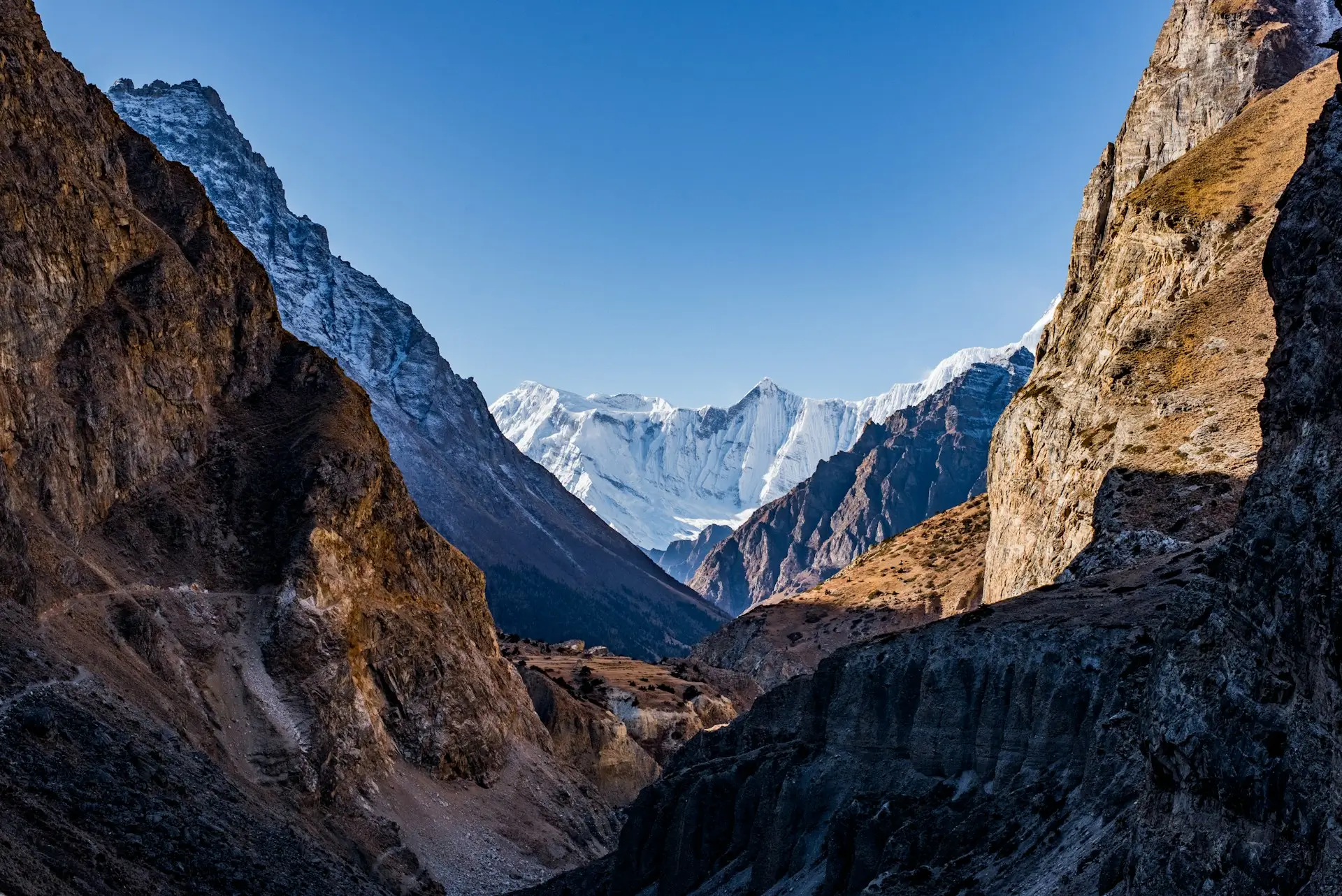
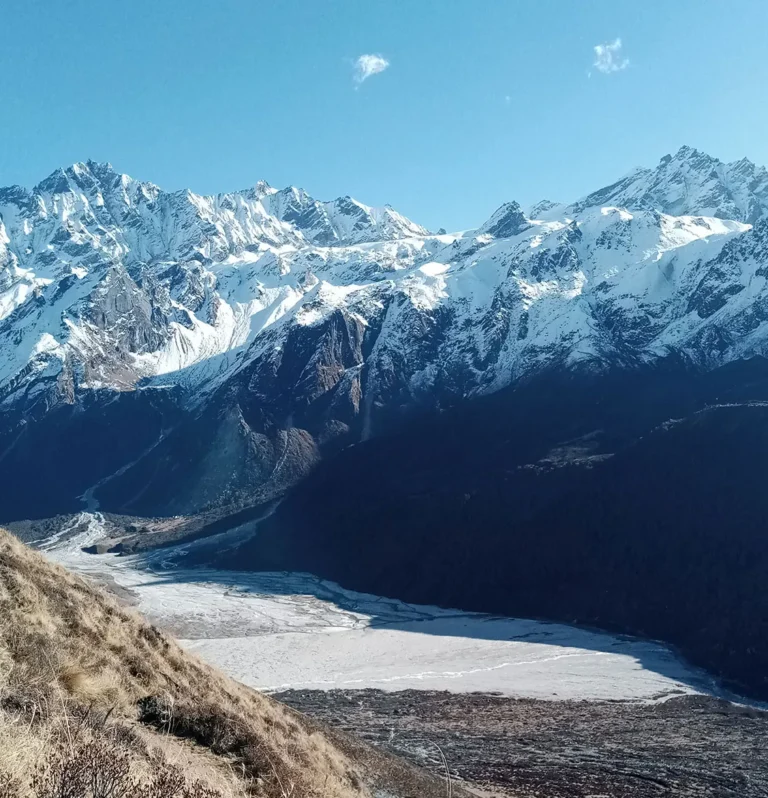
Winter in Langtang is cold, dry, and clear, so the views are some of the best all year. The skies are often bright blue. So you can see the peaks sharply, with no monsoon haze.
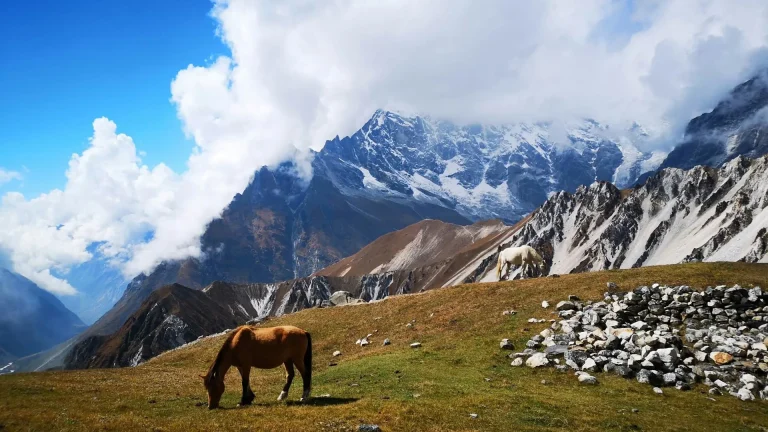
The cold is the main thing to plan for. Days are mild in the sun lower down. However, nights are very cold up high. Above 3,000 m, the temperature drops fast after dark.
So winter is a trade-off. You get clear views and quiet trails. In return, you face cold nights and the chance of snow. With the right gear, it is a beautiful time to trek.
What are the winter temperatures by altitude?
Here are rough winter temperatures, so you know what to expect. These are field ranges from our guides, not exact figures, because mountain weather changes fast.
| Place | Altitude | Day | Night |
|---|---|---|---|
| Syabrubesi | 1,460 m | 8 to 12°C | -2 to 2°C |
| Lama Hotel | 2,460 m | 5 to 10°C | -5 to 0°C |
| Langtang Village | 3,450 m | 3 to 8°C | -10 to -5°C |
| Kyanjin Gompa | 3,870 m | 0 to 5°C | -12 to -8°C |
| Tserko Ri (hike) | 4,984 m | -8 to 0°C | very cold, windy |
So the valley floor is mild by day. The high camps are bitterly cold at night. In short, pack for warm afternoons and freezing nights.
How much snow is there?
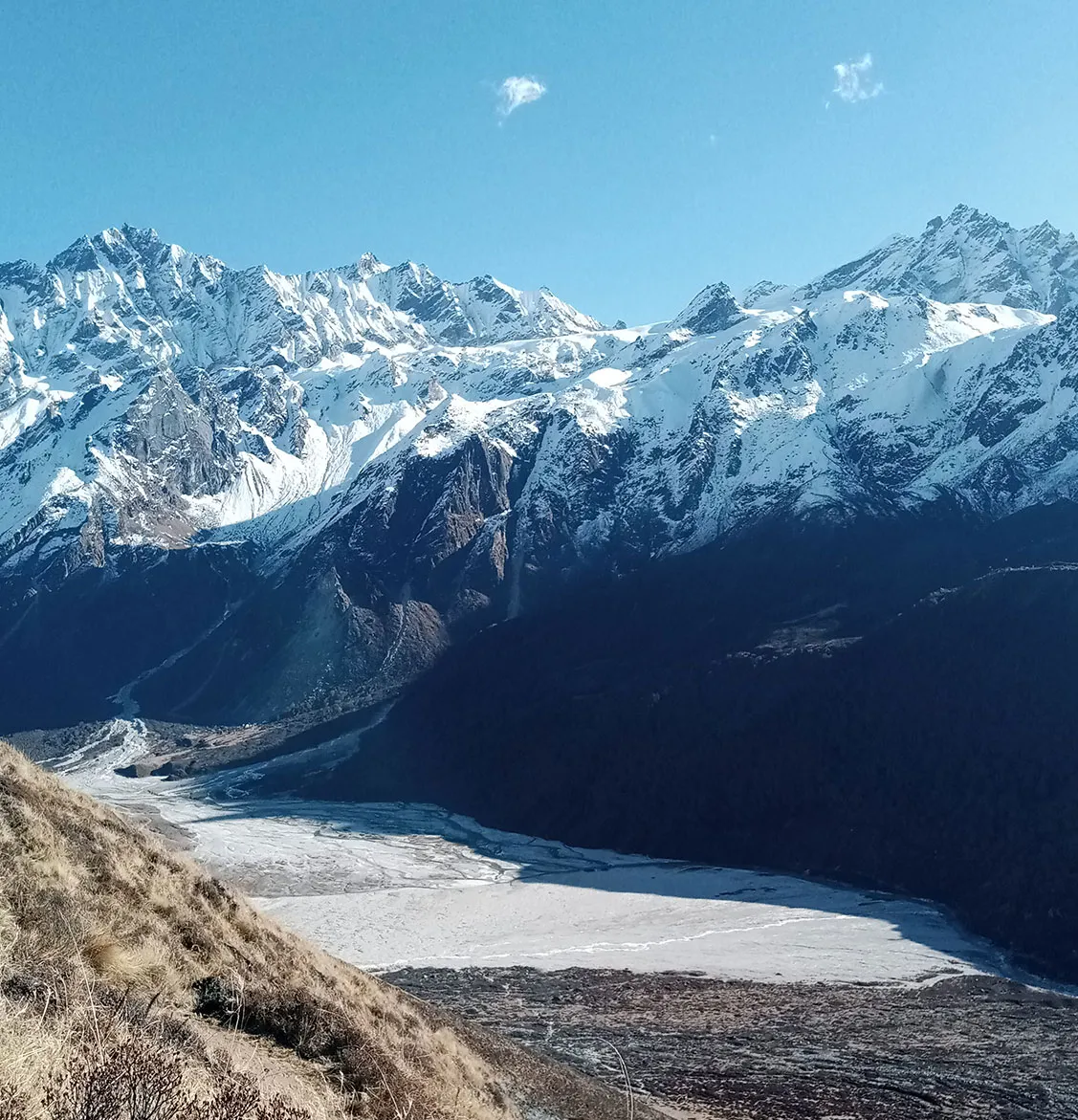
Snow is common above 3,500 m in winter, but the lower trail often stays clear. So the snow depends a lot on your altitude.
Here is a rough guide:
- Below 2,500 m: little to no snow.
- 2,500 to 3,500 m: light snow, often 10 to 20 cm.
- Above 3,500 m: moderate to heavy snow, often 30 to 60 cm near Kyanjin Gompa and Tserko Ri.
So the climb to Kyanjin Gompa is usually fine. The Tserko Ri hike is the snowy part. After fresh snowfall, the high trail can be deep and slow. So micro spikes and an early start help a lot.
How do December, January, and February compare?
Each winter month feels a little different, so pick the one that suits you. Here is a short look at all three.
- December. Snow starts to fall up high. The views of snow-capped peaks are stunning. The trail is quiet, and the cold is manageable. So December is a great winter choice.
- January. This is the coldest month. Nights are harsh, and some high lodges may close. It suits trekkers who are ready for real cold and solitude.
- February. The deep cold starts to ease. Snow still decorates the high trail, but conditions improve. So February mixes winter beauty with better walking.
So December and February are the easier winter months. January is the most extreme. All three reward you with clear skies and empty trails.
What should you pack for a winter Langtang trek?
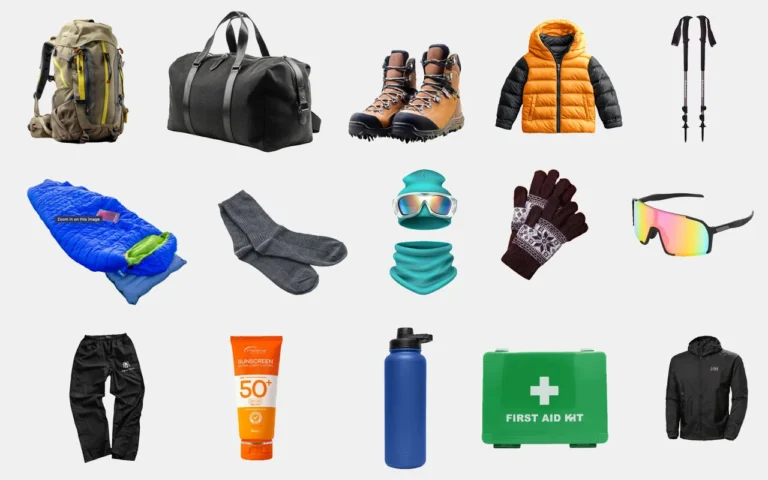
Warmth is everything in winter, so pack more layers than you think you need. Here are the key winter extras.
- A four-season sleeping bag, rated to about -10°C or lower. Spade Himalaya can provide one.
- A warm down jacket, plus thick fleece mid-layers.
- Thermal base layers, top and bottom, in merino or synthetic.
- Warm hat, buff, and two pairs of gloves, a liner and a thick outer.
- Micro spikes for snow on Tserko Ri or icy sections.
- Warm, waterproof boots and several pairs of wool socks.
So plan for cold nights and snowy high ground. For the full list, see our Langtang Valley Trek packing list.
Is the Langtang Valley Trek worth it in winter?
Yes, if you are ready for the cold, winter is one of the most rewarding times to trek Langtang. The trail is quiet, the air is clear, and the peaks shine with fresh snow.
You will share the path with very few people. So the valley feels peaceful and personal. The teahouses are cosy, warmed by a stove in the dining hall. Many lodge owners have more time to chat in the quiet season.
The main risks are the cold and the snow up high. So you need warm gear and a good guide. With both, winter Langtang is calm, beautiful, and worth it.
What are the winter safety tips?
A few simple habits keep you safe and warm on a winter trek. Here is what we advise.
- Start early. Mornings are clearest, and you beat the afternoon cold.
- Stay dry. Wet clothes are dangerous in the cold, so layer up and avoid sweating.
- Carry micro spikes. They make icy and snowy ground much safer.
- Trek with a guide. A guide reads the weather and the snow on the high trail.
- Keep your phone and power bank warm. Cold drains batteries fast.
So with warm gear, an early start, and a good guide, winter Langtang is safe and stunning. To compare the seasons, see our best time to trek Langtang guide.
FAQs
Can you trek Langtang in December?
Yes. December is a great winter month. The skies are clear, and the snow-capped peaks look stunning. The trail is quiet, and the cold is manageable with warm gear.
How cold is the Langtang trek in winter?
Days near Kyanjin Gompa run about 0 to 5°C. Nights drop to about -12°C or lower. Lower down, the valley is milder, around 8 to 12°C by day. So pack for warm afternoons and freezing nights.
Is there snow on the Langtang trek in winter?
Yes, above 3,500 m. The lower trail often stays clear. Near Kyanjin Gompa and Tserko Ri, snow can reach 30 to 60 cm after a storm. So micro spikes are useful in winter.
Is January too cold for the Langtang trek?
January is the coldest month, with harsh nights and some closed high lodges. It suits trekkers ready for real cold and solitude. December and February are easier winter choices.
Do you need special gear for winter Langtang?
Yes. You need a four-season sleeping bag, a warm down jacket, thermal layers, two pairs of gloves, and micro spikes. So plan for cold nights and snowy high ground. Spade Himalaya can provide the sleeping bag and down jacket.
Is the Langtang trek safe in winter?
Yes, with the right gear and a good guide. The main risks are the cold and the snow up high. So start early, stay dry, carry micro spikes, and trek with a licensed guide.
Accuracy note: official fees, rules, and hard facts in this guide are cited inline from their sources; trail and price details are Spade Himalaya field research; route details reviewed by Yubaraj Katel, government-licensed trekking guide (Licence No. 19827) with 10 years of experience leading treks in the Langtang region.

Keep Planning Your Trek
Updated: 1 Sep, 2026
7 min
Langtang Valley Trek Cost in 2026: A Full Price Breakdown
Route advisory, 1 September 2026. A glacial flood on 26 August 2026 destroyed road access in...
Updated: 1 Sep, 2026
6 min
Langtang Valley Trek Packing List (2026): What to Pack and Why
Route advisory, 1 September 2026. A glacial flood on 26 August 2026 destroyed road access in...
Updated: 1 Sep, 2026
11 min
Langtang Region Trek: The Complete 2026 Guide
Route advisory, 1 September 2026. A glacial flood on 26 August 2026 destroyed road access in...