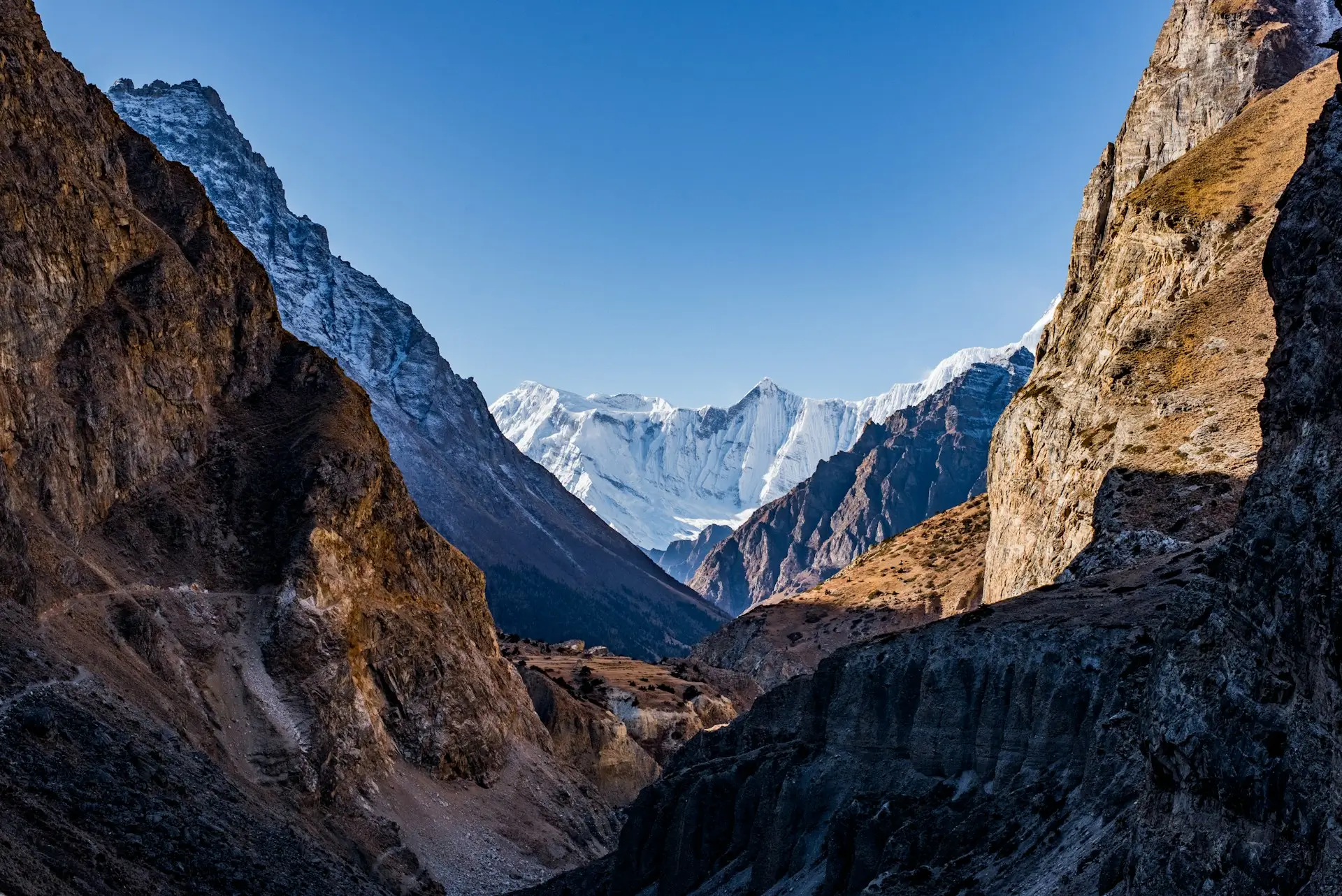
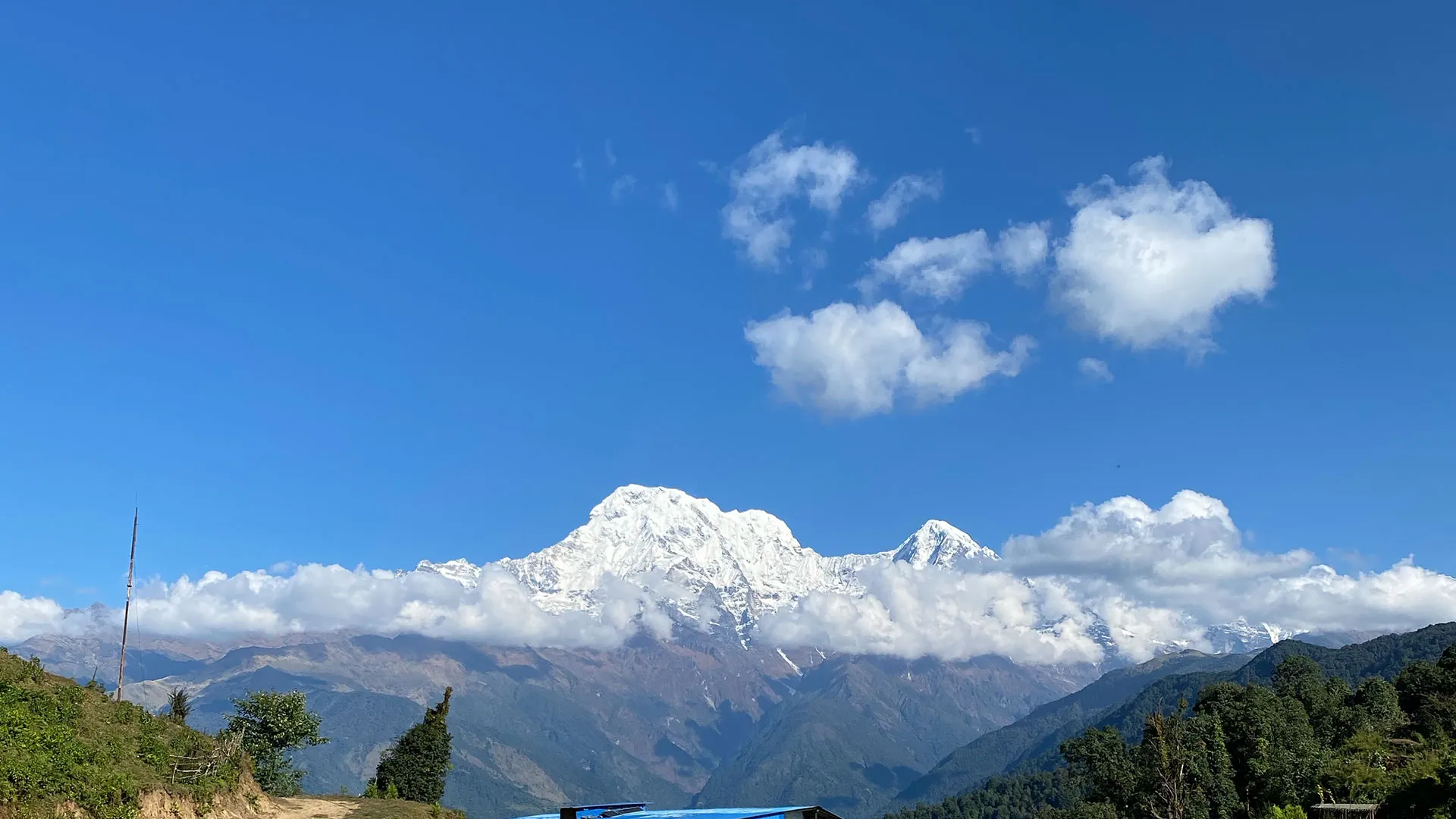
Quick answer: The Mardi Himal Trek is graded moderate, so it suits fit beginners, with no climbing. The real challenge is the fast altitude gain, from about 1,770 m to Mardi Himal Base Camp (4,500 m) in just a few days. The best seasons are spring and autumn.
The Mardi Himal Trek is graded moderate, so it suits fit beginners, but the fast altitude gain is the real challenge. There is no climbing and no technical ground. You walk 5 to 7 hours a day on a clear ridge. The hard part is the steep push to Base Camp (4,500 m), reached in just a few days. With a steady pace, most healthy people finish it well.
Key Takeaways
- The trek is graded moderate, which is Grade 2 on the Spade Himalaya Trek Difficulty Scale.
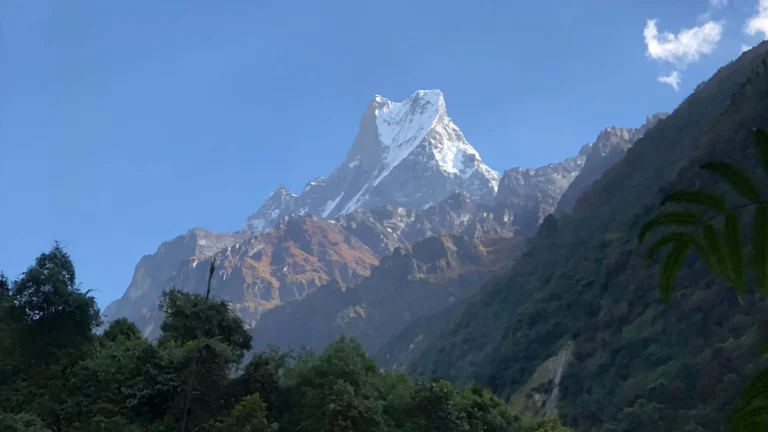
- The high point is Mardi Himal Base Camp (4,500 m), below the Fishtail peak.
- The main challenge is the fast altitude gain, not technical terrain.
- There is no climbing and no high pass.
- The best time is spring (March to May) and autumn (September to November).
This guide covers how hard the trek really is, and when to go. For the route, see our Mardi Himal Trek guide. For the cost, see our Mardi Himal Trek cost guide.
How hard is the Mardi Himal Trek?
The Mardi Himal Trek is moderate, which means it is a real effort but far from extreme. There is no climbing and no technical terrain. So the main challenge is the daily walking and the altitude.
On the Spade Himalaya Trek Difficulty Scale, Mardi is Grade 2. For comparison, the Annapurna Base Camp Trek is also Grade 2. The Everest Base Camp and Manaslu Circuit treks are Grade 3, a step harder. So Mardi is a great first big trek in Nepal.
You walk for about a week or less, with a steady climb up the ridge. The trail is clear and well marked. So you do not need ropes or special skills, except micro spikes if there is snow above High Camp.
What makes it challenging?
Three things make the Mardi Himal Trek a real effort: the steep ridge, the daily hours, and the fast altitude gain. None of them are extreme. Still, they ask for honest fitness.
- The steep ridge. The trail climbs hard through forest to High Camp, with some long uphill stretches.
- Daily walking. You walk 5 to 7 hours most days. So your legs and lungs need to be ready.
- The fast altitude gain. You go from about 1,770 m to 4,500 m in just a few days. That is quick.
So the trek is not about danger or technical skill. It is about steady walking and a sensible pace at altitude. With training, this is well within reach for most people.
Why is the fast altitude gain a challenge?
Mardi climbs faster than most treks, so altitude is the one thing to take seriously. You gain height quickly, which raises the risk of altitude sickness.
The big day is the push from High Camp (3,580 m) to Base Camp (4,500 m). You climb nearly 1,000 m in one morning, where the air holds far less oxygen. So this is the part to walk slowly.
Altitude sickness (AMS) gets more likely the higher you go. In one study of Nepali Himalaya trekkers, AMS affected about 15% of people at 4,000 to 4,500 m (PubMed, retrieved 2026-06-24). So a 5 to 7 day plan is safer than a rushed 3-day dash.
How do you stay safe at altitude?
A few simple habits keep you safe on the climb to Base Camp. Here is what we advise.
- Climb slowly. A steady pace is the best defence against altitude sickness.
- Pick a longer plan. Choose 5 to 7 days over a rushed 3-day trek, so your body has time.
- Drink plenty of water. Aim for 3 to 4 litres a day, and skip alcohol up high.
- Eat well. Good food gives you energy for the climb.
- Tell your guide early. Report any headache or nausea right away.
So trust your guide and listen to your body. Your guide carries an oximeter and checks you daily. Going down is always the best cure (CDC Yellow Book, retrieved 2026-06-24).
How fit do you need to be?
You need good general fitness, but not an athlete’s body. If you can walk 5 to 7 hours with a light daypack, you are ready. So a few weeks of training makes a big difference.
Here is a simple plan to prepare:
- Walk often. Take long walks on hills or stairs, two or three times a week.
- Add cardio. Jogging, cycling, or swimming builds your stamina.
- Train with a pack. Carry a small daypack on your practice hikes.
- Strengthen your legs. Squats and lunges help on the steep ridge.
So start training a month or two before the trek. The fitter you are, the more you will enjoy the climb. In fact, good fitness also lowers your altitude risk.
When is the best time to trek Mardi Himal?
Spring (March to May) and autumn (September to November) are the best seasons. Both bring stable weather and clear skies. So the views are at their best, and the trail is safe.
In spring, the rhododendron forests bloom red and pink along the ridge. The days are mild, and the forest is full of colour. In autumn, the air is crisp after the rains. So autumn gives the sharpest views of Fishtail and Annapurna South.
Winter (December to February) is cold, and snow can cover the trail above High Camp. Still, clear days are common, and the trail is quiet. The summer monsoon (June to August) brings rain, leeches, and cloud. So most trekkers avoid it.
Best time by season, at a glance
Here is each season in short, so you can pick your dates. These notes come from our guiding experience on the ridge.
| Season | Weather | Verdict |
|---|---|---|
| Spring (Mar to May) | Mild, rhododendrons in bloom | Excellent |
| Autumn (Sep to Nov) | Clear, crisp, sharp views | Excellent, the most popular |
| Winter (Dec to Feb) | Cold, snow above High Camp | Good on clear days, pack warm |
| Monsoon (Jun to Aug) | Rain, leeches, cloud | Best avoided |
So spring and autumn are the safe, scenic choices. If you want quiet trails and you do not mind the cold, winter can work too. Just bring warm gear and micro spikes for the high ridge.
Is the Mardi Himal Trek good for beginners?
Yes. Mardi is one of the best first big treks in Nepal. It is moderate, short, and easy to reach from Pokhara. So it gives you a real Himalayan trek without a long or costly trip.
The trail is clear, and there is no technical ground. The one thing to respect is the fast altitude gain. So a fit beginner who trains first, and who picks a 5 to 7 day plan, can do it comfortably with a good guide. Ready to book? See our 10-day Mardi Himal Trek or the 5-day short version.
If you want a gentler first trek, try the Ghorepani Poon Hill Trek, and see Mardi Himal vs Poon Hill for how the two compare on altitude and night cold. For a longer classic, see the Annapurna Base Camp Trek. To plan the short Mardi option, see our short Mardi Himal Trek guide.
FAQs
Is the Mardi Himal Trek hard?
It is graded moderate, so it is a real effort but not extreme. You walk 5 to 7 hours a day on a clear ridge. There is no climbing. The main challenge is the fast altitude gain, so a steady pace matters.
How high does the Mardi Himal Trek go?
The high point is Mardi Himal Base Camp at 4,500 m. The last overnight stop, High Camp, is at 3,580 m. So you climb nearly 1,000 m on the summit-push morning.
Is Mardi Himal good for beginners?
Yes. It is moderate, short, and easy to reach. So it is a fine first big trek. A fit beginner who trains first and picks a 5 to 7 day plan can do it well with a guide.
Why is altitude the main risk on Mardi?
Because you climb fast, from about 1,770 m to 4,500 m in just a few days. That is quicker than usual. So go slowly, drink plenty of water, and choose a longer plan over a rushed one.
What is the best month to trek Mardi Himal?
October is often the best month, with clear skies and sharp views. April is also excellent, with rhododendron blooms. So autumn and spring are the prime windows.
Can you trek Mardi Himal in winter?
Yes, on clear days. Winter is cold, and snow can cover the trail above High Camp. So pack warm gear, bring micro spikes, and check the forecast. The trail is quiet and beautiful in the cold months.
Accuracy note: official fees, rules, and hard facts in this guide are cited inline from their sources; trail and price details are Spade Himalaya field research; route details reviewed by Yubaraj Katel, government-licensed trekking guide (Licence No. 19827) with 10 years of experience leading treks in the Annapurna region.

Keep Planning Your Trek
Updated: 16 Sep, 2026
6 min
Mardi Himal Trek Cost in 2026: A Full Price Breakdown
Quick answer: A guided Mardi Himal Trek costs US$395 to US$995 per person in 2026 on...
Updated: 14 Sep, 2026
10 min
Mardi Himal Trek Guide and Route Map (2026)
Quick answer: The Mardi Himal Trek is a short, quiet ridge trek in Nepal’s Annapurna region,...
Updated: 15 Jul, 2026
12 min
Annapurna Region Treks: Routes, Cost & Best Time (2026 Guide)
Quick answer: The Annapurna region, near Pokhara, has Nepal’s widest range of treks: from the easy Poon...