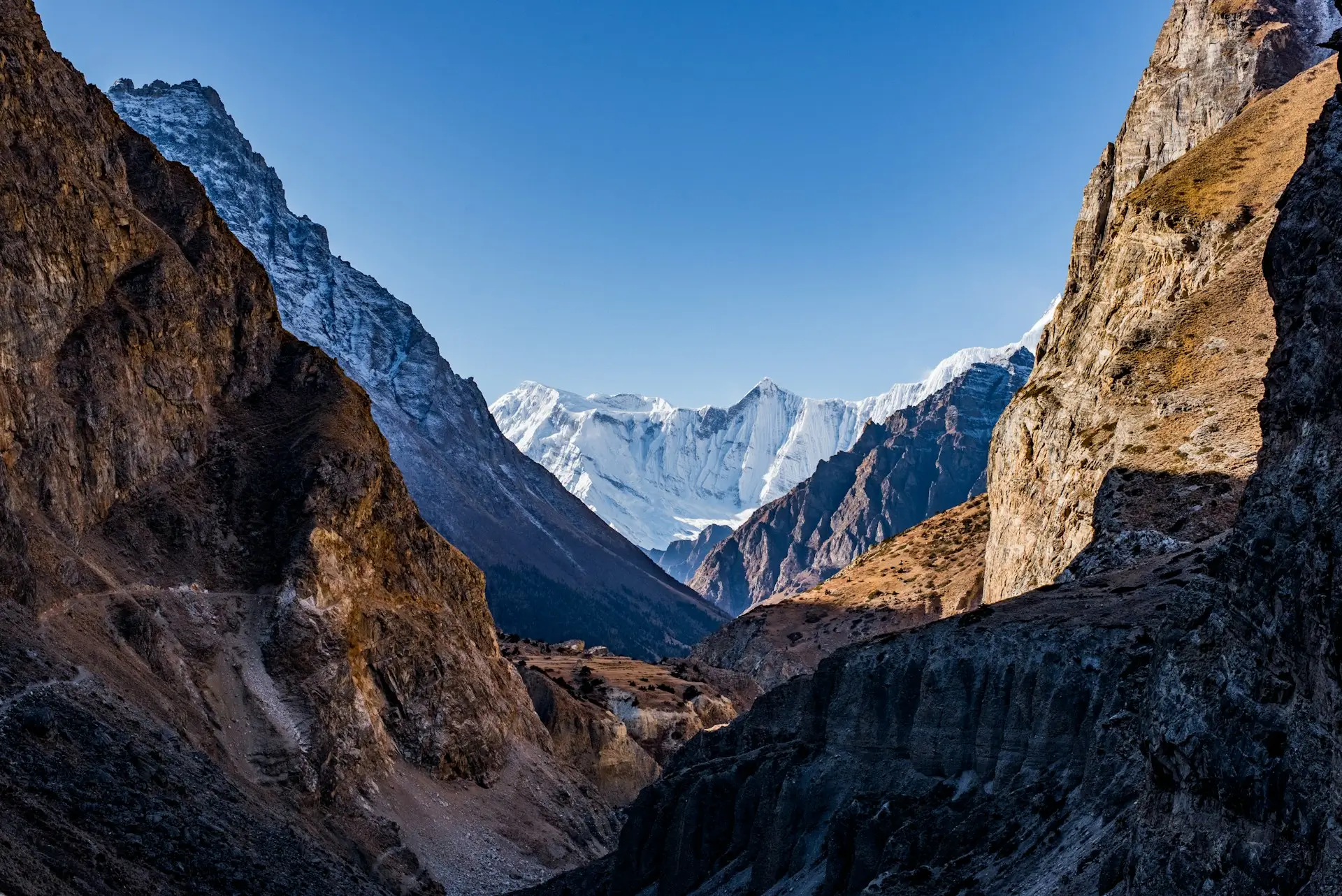
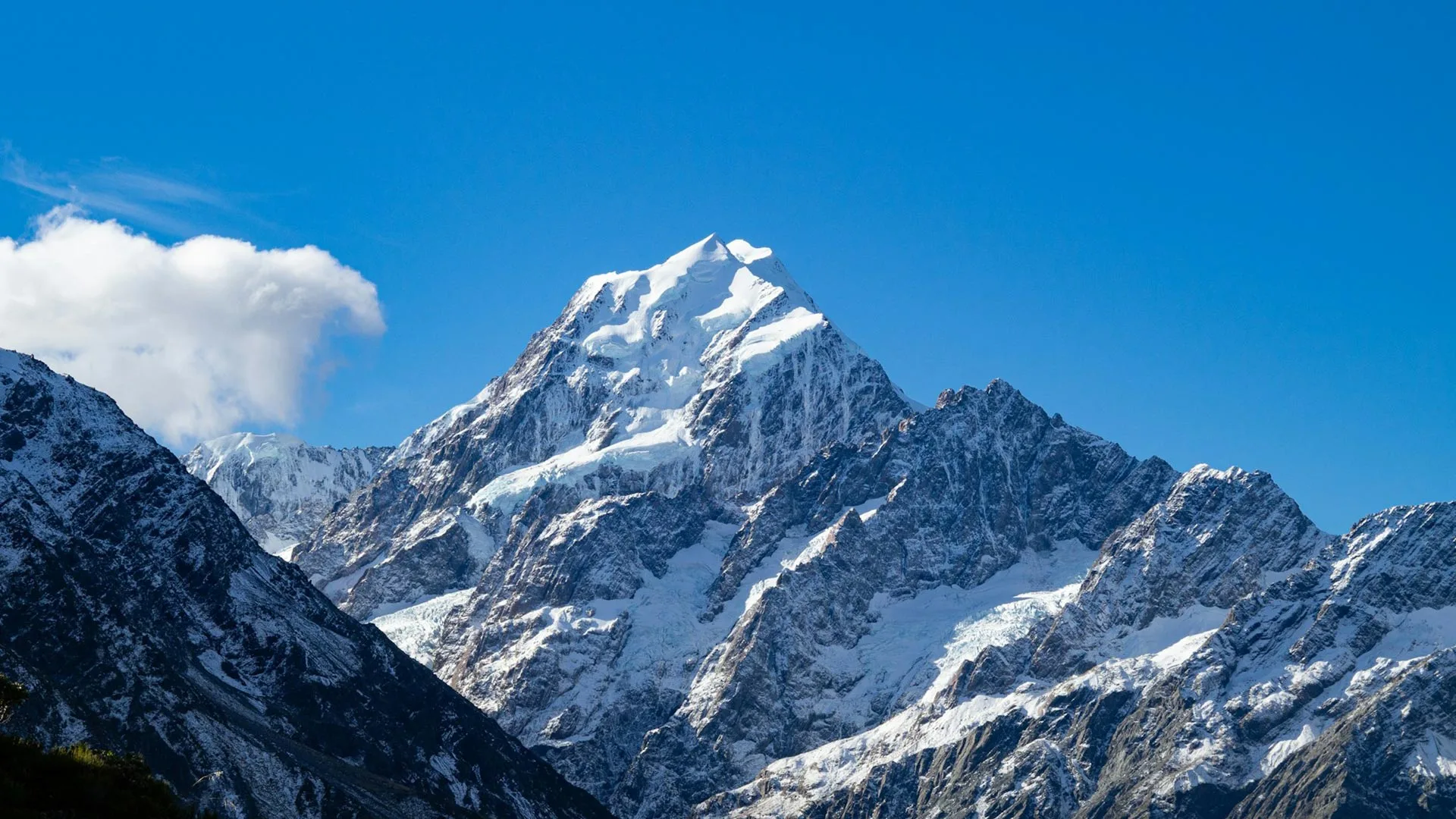
Quick answer: The Everest Base Camp Trek is graded strenuous, so it is hard but needs no climbing. The challenge is the thin air, not the trail. The high point is Kala Patthar (5,545 m), where oxygen is about half of sea level. With training and a slow pace, most fit people finish it.
The Everest Base Camp Trek is graded strenuous, but it needs no climbing skills at all. The trail is a long walk, not a climb. The real challenge is the altitude, because the air gets thin. You walk 5 to 7 hours a day for about two weeks. So with good training and a slow, guided pace, most healthy people reach base camp.
Key Takeaways
- The trek is graded strenuous, which is Grade 3 on the Spade Himalaya Trek Difficulty Scale.
- The challenge is the altitude, not the terrain. There is no climbing.
- The high point is Kala Patthar (5,545 m), where oxygen is about half of sea level.
- You walk 5 to 7 hours a day, with two built-in rest days.
- Fit beginners can do it. So train for 8 to 12 weeks first.
This guide covers how hard the trek really is, how to train, and how to stay safe. For the full plan, see our 14-day Everest Base Camp Trek. For the wider picture, see our Everest region trekking guide.
How hard is the Everest Base Camp Trek?
The Everest Base Camp Trek is strenuous, which means it is a real challenge but not a technical climb. There are no ropes, ladders, or ice axes on the standard route. So the difficulty comes from the long days and the high altitude.

On the Spade Himalaya Trek Difficulty Scale, Everest Base Camp is Grade 3. For comparison, the Annapurna Base Camp and Langtang Valley treks are Grade 2, which is a step easier. The Everest Three Passes Trek is Grade 4, which is harder again. So base camp sits in the middle, as a tough but achievable goal.
You walk for about 10 to 12 days, with a steady climb up the valley. The trail is clear and well marked. So you do not need any mountaineering skill, just fitness, patience, and a careful pace.
What makes the Everest Base Camp Trek challenging?
Four things make the trek hard: the altitude, the daily hours, the cold, and the Lukla flight. None of them require special skills. Still, they add up over two weeks.
- Altitude. You climb to 5,545 m at Kala Patthar. The thin air is the biggest challenge by far.
- Daily walking. You walk 5 to 7 hours most days, often uphill, for nearly two weeks.
- Cold and weather. Nights drop well below freezing high up. So you need warm layers.
- The Lukla flight. The short mountain flight can face weather delays. So build in a spare day.
So the trek tests your stamina and your patience, not your climbing skill. With training and a slow pace, it stays well within reach.
What is the oxygen level at Everest Base Camp?
At Everest Base Camp, you breathe about half the oxygen you get at sea level. The percentage of oxygen in the air stays the same, near 21%. However, the air pressure drops with height. So each breath delivers far less oxygen.
Medical research shows that inspired oxygen pressure falls to about 50% of the sea level value at 5,500 m (National Library of Medicine, retrieved 2026-06-29). Everest Base Camp sits at 5,364 m, and Kala Patthar at 5,545 m. So at the high points, you work with roughly half the usual oxygen.
This is why the trek is hard even though the walking is not steep. Your body has to do normal work on much less oxygen. So a slow climb and good rest days matter more than raw strength.
How fit do you need to be for Everest Base Camp?
You need good general fitness, but you do not need to be an athlete. If you can walk for 6 hours with a light daypack, you have the right base. So a few months of steady training makes the trek far more enjoyable.
The fitter you are, the better your body copes with the altitude. Strong legs help on the long descents, which are hard on the knees. Good stamina helps on the back-to-back walking days. So fitness is also your best defence against fatigue at height.
You do not need gym machines or a coach. Walking, hiking, and stair climbing build the right muscles. So train in the way you will trek.
How do you train for the Everest Base Camp Trek?
Start training 8 to 12 weeks before the trek, and focus on hiking with a pack. Here is a simple plan that works for most trekkers.
- Hike weekly. Take a long hill walk once a week, and build up to 6 hours.
- Add cardio. Run, cycle, or swim two or three times a week for stamina.
- Train with a pack. Carry a 5 to 7 kg daypack on your practice hikes.
- Strengthen your legs. Do squats, lunges, and step-ups for the climbs and descents.
- Practise back-to-back days. Hike two days in a row to mimic the trek.
So the goal is simple. Be able to walk for several hours, day after day, without burning out. Then the altitude becomes the only new factor on the trail.
How do you avoid altitude sickness on the trek?
Altitude is the main health risk, but a slow pace and two rest days make it very manageable. Altitude sickness (AMS) gets more likely the higher you go. In one study of Nepali Himalaya trekkers, AMS affected about 15% of people at 4,000 to 4,500 m and 51% at 4,500 to 5,000 m (PubMed, retrieved 2026-06-29).
So our plan climbs slowly and adds rest days at Namche (3,440 m) and Dingboche (4,410 m). Also, drink 3 to 4 litres of water a day, and skip alcohol up high. Your guide carries a pulse oximeter and checks you each day.
Watch for two rare but serious problems too. HACE affects the brain, and HAPE affects the lungs. For both, the best treatment is to go down fast (CDC Yellow Book, retrieved 2026-06-29). So tell your guide early if you feel unwell.
How many people complete the Everest Base Camp Trek?
Most trekkers who prepare well and climb slowly reach base camp. There is no official success rate, but in our experience the large majority finish the route. The few who turn back usually do so for one reason: altitude.
The trekkers who struggle tend to climb too fast or skip the rest days. Some catch a cold or stomach bug that saps their strength. So the keys to finishing are simple. Train first, go slow, drink water, and listen to your guide.
In short, the trek is hard, but it is not a lottery. Good preparation puts the odds firmly in your favour.
Can a beginner do the Everest Base Camp Trek?
Yes. A fit beginner can do the Everest Base Camp Trek with training and a good guide. You do not need past trekking experience. You do need honest fitness and respect for the altitude.
The trail is clear, and the climb is gradual by design. The two rest days help your body adjust. So a first-timer who trains for a couple of months can do it well. In fact, many of our trekkers reach base camp as their first big trek.
If you want an easier warm-up first, try the Annapurna Base Camp Trek or the short Ghorepani Poon Hill Trek. For more rest days on Everest itself, see the 16-day Kala Patthar route.
When is the best time for an easier trek?
Spring and autumn give the most stable weather, so the trek feels easier and safer then. Clear skies and mild days make the long hours more pleasant. So most trekkers go in these two windows.
Spring runs from March to May, with warmer days and blooms lower down. Autumn runs from September to November, with crisp air and the sharpest views. Winter is cold and quiet, and the monsoon brings rain and cloud. For a full month-by-month guide, see our best time to trek Everest Base Camp post.
FAQs
What is the success rate on the Everest Base Camp trek?
There is no official success rate for the trek. In our experience, the large majority of trekkers who take a sensible itinerary with two rest days finish the route. Most people who turn back do so because they climbed too fast, not because they lacked fitness.
Is the Everest Base Camp Trek harder than Kilimanjaro?
The two are similar in altitude, but Everest Base Camp is longer and has more walking days. Kilimanjaro reaches a higher summit faster, which can raise the altitude risk. So Everest spreads the effort over more days, with built-in rest days.
How many hours a day do you walk on the Everest Base Camp trek?
You walk roughly 5 to 7 hours a day, covering 10 to 15 km. The schedule also builds in two rest days for acclimatization, so the effort is spread out rather than crammed into long marches.
How much training do I need for Everest Base Camp?
Start 8 to 12 weeks before the trek. Hike with a pack once a week, add cardio two or three times a week, and strengthen your legs. So the aim is to walk for several hours, day after day, without burning out.
Do you need mountaineering skills for Everest Base Camp?
No. The route to base camp is a walking trail the whole way, with no ropes, ice axes, or technical climbing. You need fitness, patience, and a careful pace, not mountaineering experience.
How do I avoid altitude sickness on the trek?
Climb slowly, take the rest days at Namche and Dingboche, and drink plenty of water. Skip alcohol up high, and eat well. Tell your guide early if you feel unwell, because going down fast is the best cure.
Accuracy note: official fees, rules, and hard facts in this guide are cited inline from their sources; trail and price details are Spade Himalaya field research; route details reviewed by Yubaraj Katel, government-licensed trekking guide (Licence No. 19827) with 10 years of experience leading treks in the Everest region.

Keep Planning Your Trek
Updated: 9 Jul, 2026
7 min
Everest Base Camp Trek Packing List (2026): Full Gear Guide
Quick answer: Pack for the Everest Base Camp Trek in layers: base layers, a warm mid...
Updated: 6 Jul, 2026
9 min
Everest Base Camp Trek Cost in 2026: Full Breakdown
Quick answer: A guided Everest Base Camp Trek’s biggest single cost is the round-trip Lukla flight,...
Updated: 20 Jul, 2026
15 min
Everest Region Treks: Routes, Cost & Best Time (2026 Guide)
Quick answer: The Everest region, or Khumbu, is home to Everest Base Camp, the Gokyo Lakes,...