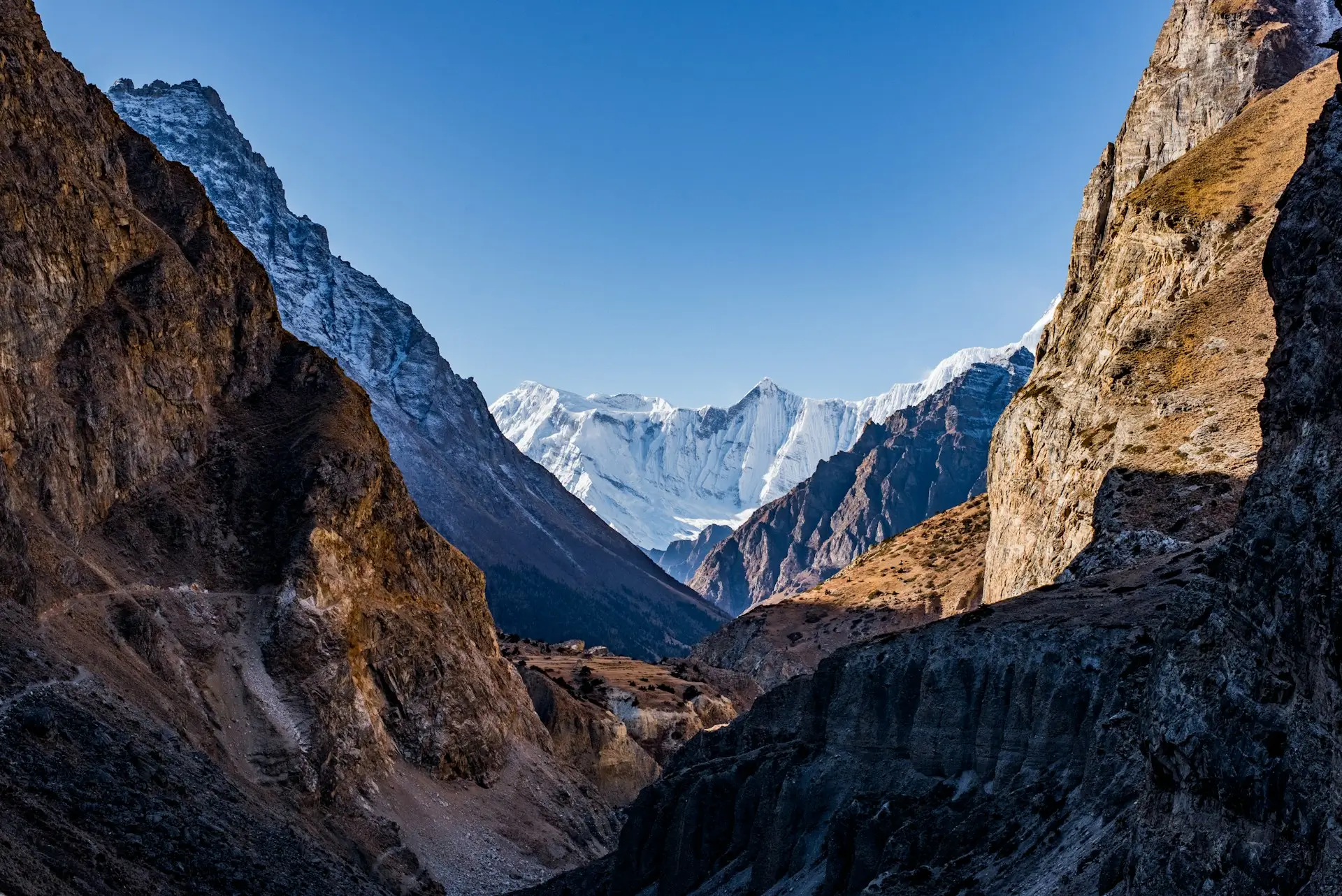
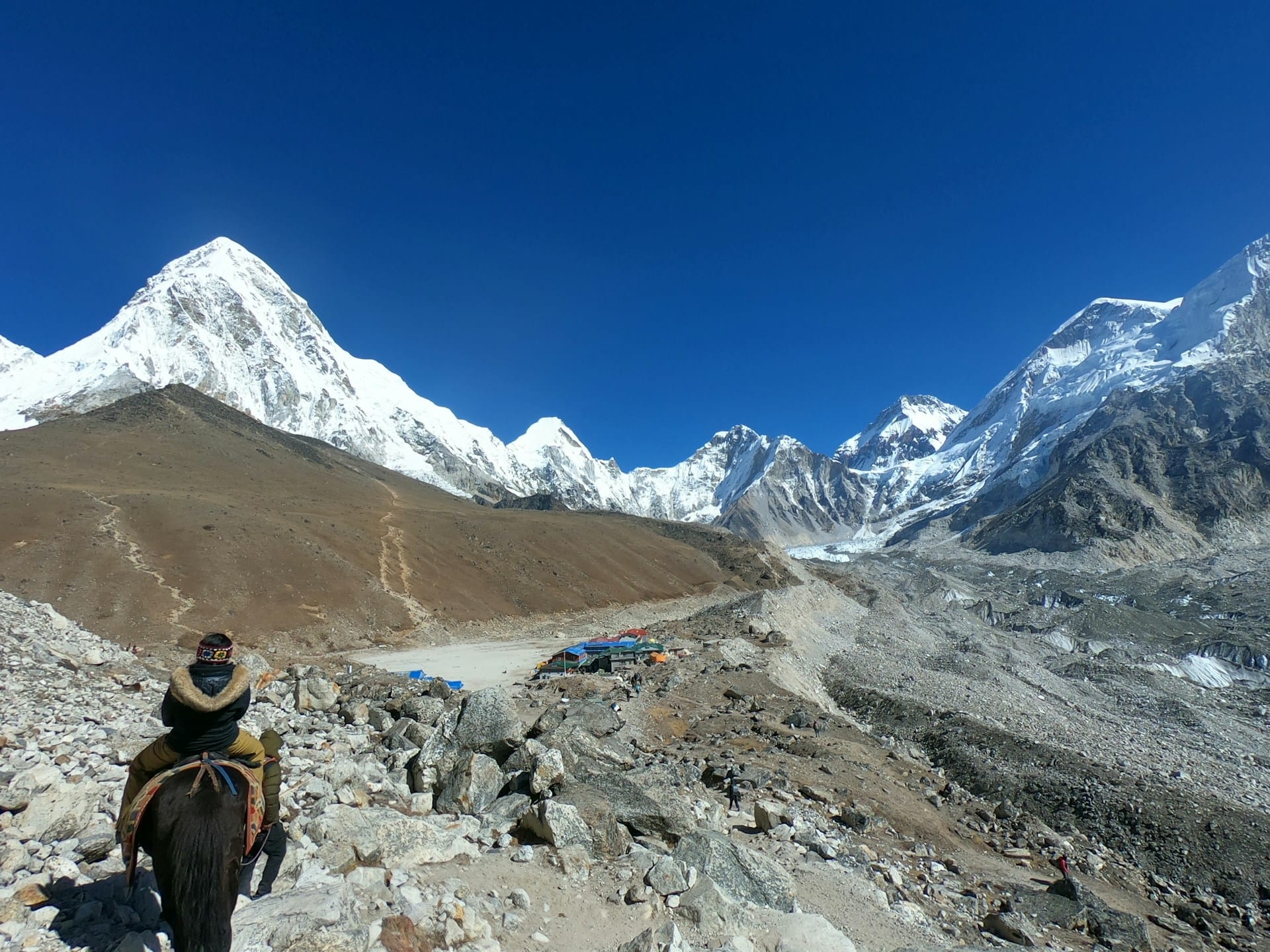
Quick answer: The best time to trek to Everest Base Camp is spring (March to May) and autumn (late September to November), with clear skies and the most reliable Lukla flights. Winter is cold, clear, and quiet, while the summer monsoon brings cloud and flight delays, so most trekkers avoid it.
The best time to trek Everest Base Camp is spring (March to May) and autumn (late September to November). In both, the weather is stable, the skies are clear, and the Lukla flights run well. October is the single best month for clear views. That also makes it the busiest. Winter is cold but doable with the right gear. The summer monsoon (June to August) is the least reliable window. Whatever month you pick, a guide is not legally required in the Everest region, because the local municipality rejected the 2023 guide rule (The Himalayan Times, 2023-03-28). Because of the altitude, we still recommend one, and Spade Himalaya provides it.
Key Takeaways
- Spring (March to May) and autumn (late September to November) are the two prime seasons.
- October has the clearest skies and the biggest crowds. Late November is crisp, quiet, and still excellent.
- Winter (December to February) is very cold at night. Still, it offers stable, empty trails for the well-equipped.
- Monsoon (June to August) brings cloud, rain, and Lukla flight delays. So most trekkers avoid it.
This guide walks through each season and month. So you can pick the window that suits you, whether that is the clearest views, the fewest people, or the warmest days. It applies to the classic 14-day Everest Base Camp Trek and the longer 16-day Kala Patthar route. For the full regional overview, see our Everest region trekking guide.
Month-by-month at a glance
| Month | Weather | Crowds | Verdict |
|---|---|---|---|
| January | Very cold, clear, some snow | Low | Doable with winter gear |
| February | Cold, clearing, late winter | Low | Good for solitude |
| March | Warming, clear, spring begins | Building | Excellent |
| April | Warm, clear, rhododendrons | High | Excellent (peak) |
| May | Warm, some afternoon haze | High then easing | Very good |
| June | Warm, cloud and early rain | Low | Poor (monsoon starts) |
| July | Wet, cloudy, humid low down | Very low | Avoid |
| August | Wet, cloudy, leeches low down | Very low | Avoid |
| September (late) | Clearing after monsoon | Building | Very good |
| October | Clearest skies of the year | Highest | Excellent (peak) |
| November | Crisp, clear, colder late | High then easing | Excellent |
| December | Cold, clear, snow possible | Low | Doable with winter gear |
Is spring (March to May) a good time to trek?
Spring is the warmer of the two main seasons, and the best time for stable, comfortable trekking. Days are mild. The rhododendron forests lower down burst into bloom. And the higher trail stays mostly clear. April is the peak of spring. It is also when Everest climbers fill base camp. So you may see the colourful tent city of the expedition teams.

In our experience, spring days are pleasant lower down and cold but manageable up high. Nights drop below freezing above Namche. Late May can bring afternoon haze and the first hints of the monsoon. So early-to-mid spring tends to be clearer. In short, spring suits trekkers who want warmth, flowers, and the buzz of the climbing season.
Is autumn (late September to November) the best time?
Autumn gives the most reliable clear-sky views of the year. That is why it is the most popular season. First, the monsoon washes the dust from the air in September. Then the skies turn a deep, sharp blue. October is famous for its visibility, and it is the busiest month. So book early, because teahouses fill up.
November stays excellent and slowly quietens through the month. Nights also get colder toward late November. In our experience, late October and November give the best balance. You get clear views with slightly thinner crowds than peak October. So autumn suits anyone whose top priority is clear views of Everest, Lhotse, and Ama Dablam.
Can you trek Everest Base Camp in winter?
Winter is genuinely doable, but it needs serious cold-weather gear and a tolerance for very cold nights. The trails are quiet. The views on clear days are superb. And the lodges that stay open are peaceful. The trade-off is the cold. Nights high up, around Gorak Shep, can drop well below -15°C. Fresh snow can also make the higher sections harder.
Some teahouses at the highest villages close or cut service in deep winter. So a guided trip helps you know which lodges are open. Days in the sun can feel surprisingly pleasant. Still, you must be ready for the cold once the sun drops behind the peaks. In short, winter suits experienced, well-equipped trekkers who value solitude over comfort.
Should you trek in the monsoon (June to August)?
The summer monsoon is the least reliable time to trek to Everest Base Camp. Cloud builds most afternoons. Rain is frequent lower down. And Lukla flights are delayed or cancelled more often than at any other time. For why those flights cancel and how to plan around it, see our Lukla Airport guide. Below the treeline, the trails get slippery, and leeches appear in the wet forest.
It is not impossible, and the Khumbu sees less rain than some lower regions. However, the views are unreliable and the flight risk is real. So most trekkers are better served by spring or autumn. If summer is your only window, a region in the rain shadow behind the main Himalaya is usually a better choice than the Everest trail.
How does the season affect your Lukla flight?
Your trekking month decides where your Lukla flight leaves from, and how likely it is to be delayed. This catches many first-timers by surprise.
- In the peak months (March, April, May, October, November), flights are rerouted through Manthali / Ramechhap. That means a 4 to 6 hour drive from Kathmandu, then a 20-minute flight.
- In the quieter months (January, February, June, July, August, December), flights usually run direct from Kathmandu, about 35 minutes.
- In the monsoon, delays are most common in any case.
Whatever the season, weather can ground Lukla flights for a day or more. So always keep a spare day before your international flight home. A direct helicopter from Kathmandu is also available for about US$550 per person on a 5-share basis, if you want to cut that risk.
Which season is right for you?
- Want the clearest Everest views? Go in October or November.
- Want warmth, spring flowers, and the climbing-season buzz? Go in April or early May.
- Want empty trails and don’t mind the cold? Go in late February or December, with full winter gear.
- Want the fewest flight delays? Avoid the monsoon. Spring and autumn are the most reliable.
- Only free in summer? Then consider a rain-shadow region instead, or accept cloudy views.
Either way, the route itself does not change with the season. So your fitness and acclimatization plan matter more than the calendar. For the full pricing picture, see our guide to the Everest Base Camp Trek cost in 2026. If you want a bigger adventure, the 20-day Everest Three Passes Trek follows the same seasonal pattern.
FAQs
What is the best month to trek Everest Base Camp?
October is the best single month, with the clearest skies of the year. November and April follow closely. October is also the busiest, though. So if you want clear views with slightly fewer people, late October or November is the sweet spot. Overall, spring and autumn are the two prime seasons.
Can you trek to Everest Base Camp in winter?
Yes, with the right gear. December through February brings very cold nights, well below -15°C high up, and possible snow. Still, it also brings clear days and quiet trails. Some high teahouses cut service, so a guided trip helps. In short, winter suits experienced, well-equipped trekkers who want solitude.
Is the monsoon a bad time for the Everest Base Camp trek?
The monsoon (June to August) is the least reliable window. Expect afternoon cloud, rain below the treeline, leeches in wet forest, and frequent Lukla flight delays. The Khumbu gets less rain than some regions. However, views are unreliable, so most trekkers choose spring or autumn instead.
Why does my Lukla flight leave from Manthali in some months?
In the peak months of March, April, May, October, and November, traffic is rerouted to Manthali / Ramechhap. That means a 4 to 6 hour drive from Kathmandu, then a 20-minute flight. In quieter months, flights run direct from Kathmandu. Weather delays are possible in any season, so keep a spare day.
How cold does it get on the Everest Base Camp trek?
It depends on the season and the altitude. In spring and autumn, nights above Namche drop below freezing, and the higher camps are colder. In winter, nights around Gorak Shep can fall well below -15°C. Days in the sun are far milder. So layering is the key to staying comfortable. For the full month-by-month breakdown of day and night temperatures, see our Everest Base Camp weather guide.
Accuracy note: official fees, rules, and hard facts in this guide are cited inline from their sources; trail and price details are Spade Himalaya field research; route details reviewed by Yubaraj Katel, government-licensed trekking guide (Licence No. 19827) with 10 years of experience leading treks in the Everest region.

Keep Planning Your Trek
Updated: 6 Jul, 2026
9 min
Everest Base Camp Trek Cost in 2026: Full Breakdown
Quick answer: A guided Everest Base Camp Trek’s biggest single cost is the round-trip Lukla flight,...
Updated: 9 Jul, 2026
9 min
Everest Base Camp Weather: Temperatures Month by Month
Everest Base Camp weather month by month: temperature ranges from our guides, night lows, the best...
Updated: 20 Jul, 2026
15 min
Everest Region Treks: Routes, Cost & Best Time (2026 Guide)
Quick answer: The Everest region, or Khumbu, is home to Everest Base Camp, the Gokyo Lakes,...