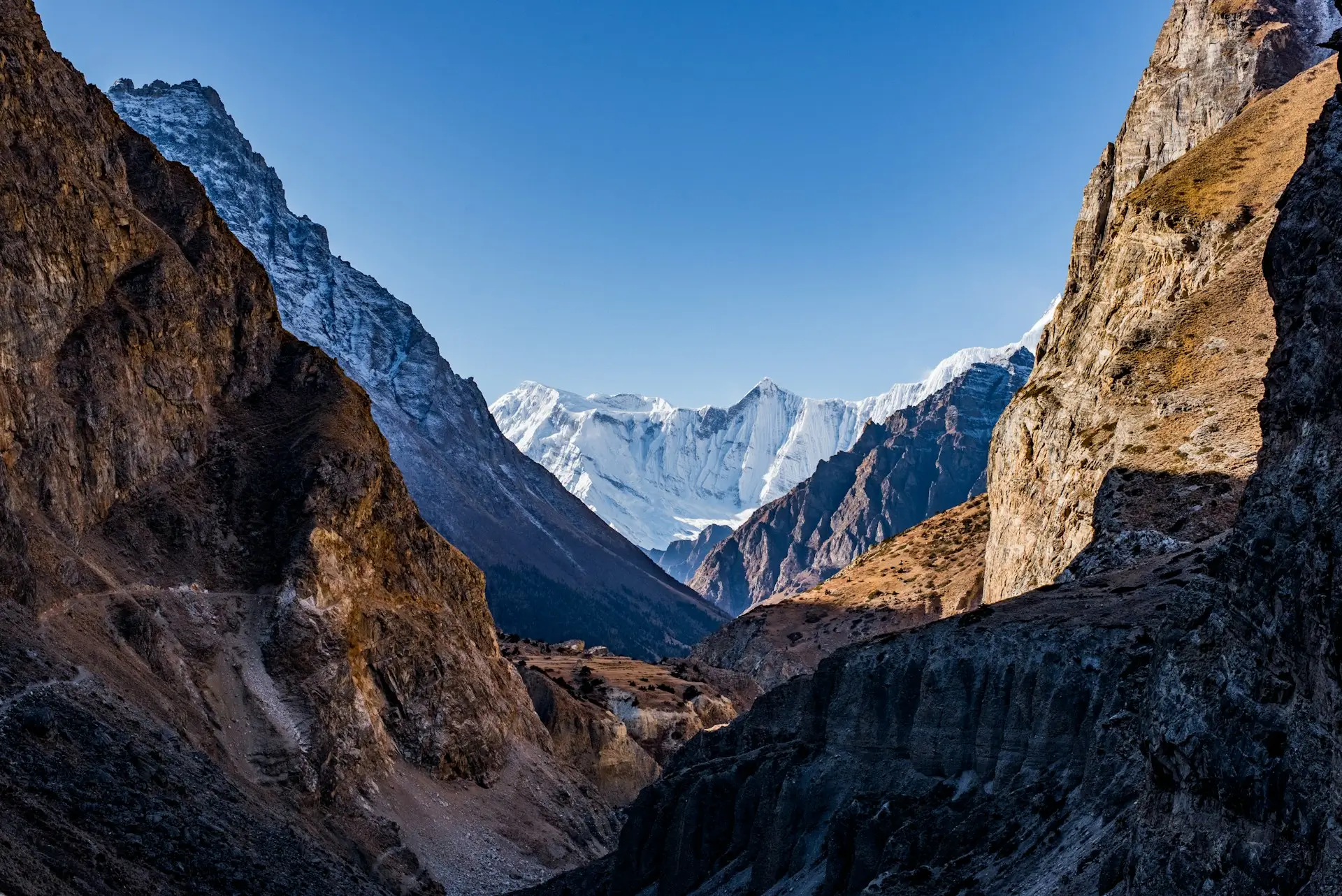
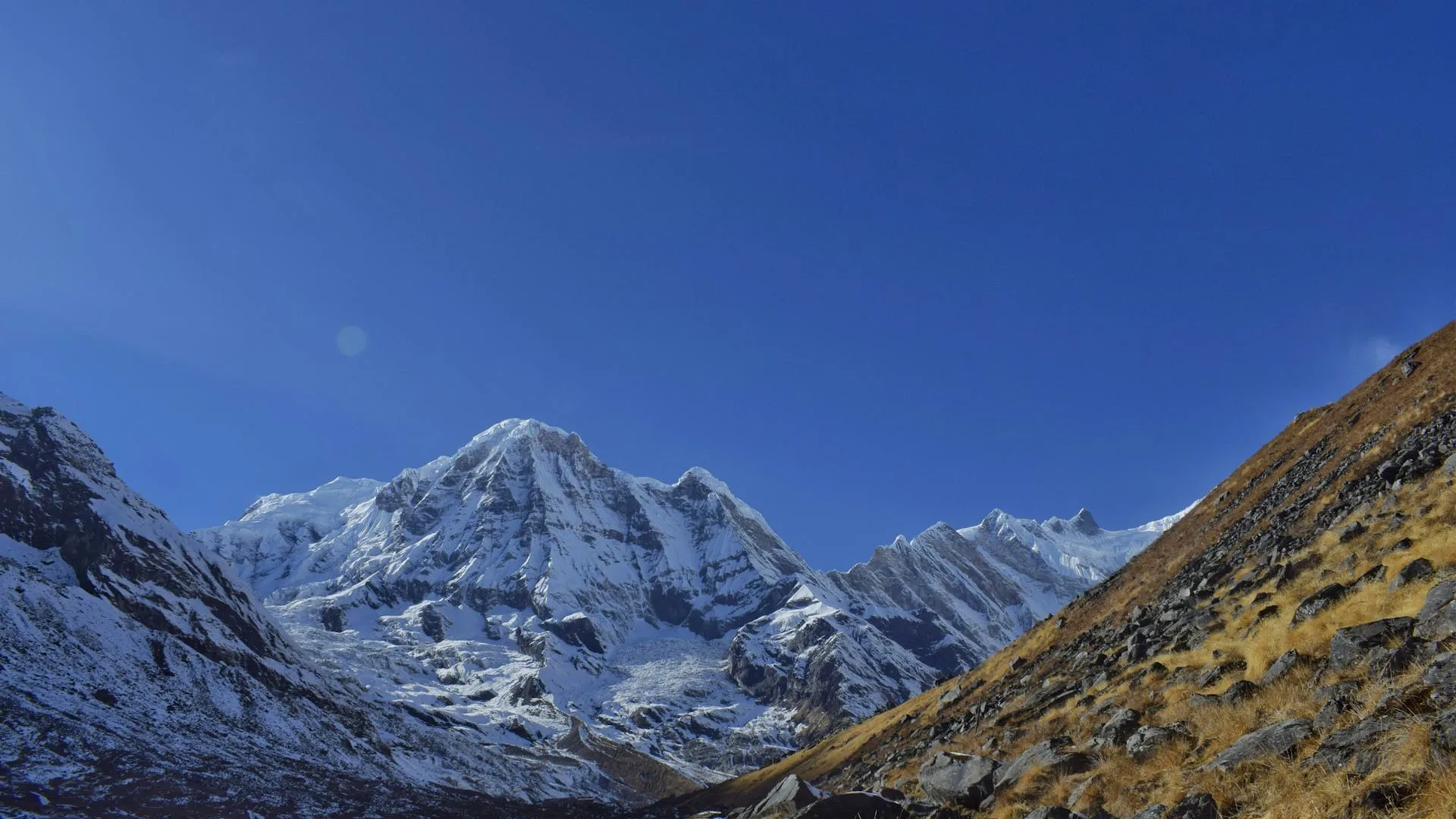
Quick answer: The Annapurna region, near Pokhara, has Nepal’s widest range of treks: from the easy Poon Hill sunrise to the classic Annapurna Circuit over Thorong La (5,416 m) and the Annapurna Base Camp sanctuary (4,130 m). Treks run 4 to 15 days, and the best seasons are spring and autumn.
The Annapurna region has some of the most varied trekking in Nepal. It runs from the 9-day Annapurna Base Camp Trek to the classic Annapurna Circuit over the Thorong La Pass (5,416 m). It is also one of the easiest regions to reach. You start from the lakeside city of Pokhara. The whole area sits inside the Annapurna Conservation Area, the largest protected area in Nepal at 7,629 km2 (Wikipedia, retrieved 2026-06-18).
Key Takeaways
- The Annapurna Base Camp Trek (9 days) is a shorter, lower trek. So it is ideal for first-timers.
- The Annapurna Circuit (12 to 15 days) crosses the Thorong La Pass (5,416 m). It is more varied and harder.
- You need an ACAP permit (about NPR 3,000) and a TIMS card (NPR 2,000), plus a mandatory licensed guide in 2026.
- Spring and autumn are the best seasons. Still, the region has good winter and rain-shadow options too.
This guide is the hub for everything we cover on Annapurna trekking. First, use it to choose a route, costs, and season. Then follow the links to our deeper guides and trek pages.
The Annapurna region at a glance
The Annapurna region wraps around the Annapurna massif in central Nepal, just north of Pokhara. It packs a huge range of landscapes into a small area. In one trek, you can move from green forest and rice terraces to high desert that feels like Tibet.
The region is ringed by giant peaks. Annapurna I (8,091 m) is the tenth-highest mountain in the world. It was also the first 8,000 m peak ever climbed, back in 1950. Dhaulagiri (8,167 m) is the seventh-highest. And the sacred, never-climbed Machhapuchhre (6,993 m), the “fish tail” peak, rises above Pokhara. Between Dhaulagiri and Annapurna runs the Kali Gandaki Gorge, one of the deepest gorges on earth (Wikipedia, retrieved 2026-06-18).
The people here are Gurung, Thakali, and Manangi. The high valleys have strong Tibetan Buddhist roots. So the region is rich in culture as well as scenery. The holy site of Muktinath, in Mustang, draws both Hindu and Buddhist pilgrims.
The main Annapurna region treks compared
| Trek | Duration | Grade | Highlights | Best for |
|---|---|---|---|---|
| Annapurna Base Camp Trek | 9 days | Moderate | Annapurna Sanctuary, Machhapuchhre, hot springs | First-timers, limited time |
| Annapurna Circuit Trek | 12 days | Strenuous | Thorong La Pass, Manang, Muktinath, Poon Hill | The classic high-pass trek |
| Annapurna Circuit via Thorong La Pass | 15 days | Strenuous | Thorong La, Muktinath, Mustang, Marpha, sightseeing | A fuller cultural version |
| Mardi Himal Trek | 4 to 10 days | Moderate | Quiet ridge, close Fishtail views, Base Camp 4,500 m | Short trips, quiet trails |
| Ghorepani Poon Hill Trek | 4 days | Easy | Sunrise over Annapurna and Dhaulagiri, Gurung villages | Families, first-timers, short trips |
| Khopra Danda Trek | 11 days | Moderate | Quiet ridge facing Dhaulagiri, sacred Khayer Lake | Views without the crowds |
| Kori Trek | 10 days | Moderate | New trail, Kori Danda meadow, Sikles Gurung village | A quiet alternative to Poon Hill |
How do you choose your Annapurna trek?
Pick by your time, your experience, and what you want to see. Here is a simple way to choose.
- First Himalayan trek, or about 9 days? Choose the Annapurna Base Camp Trek. It is moderate, tops out at 4,130 m, and walks into a stunning bowl of peaks.
- Want the classic high-pass adventure, with two weeks? Choose the Annapurna Circuit. It crosses Thorong La (5,416 m) and has the most landscape variety in Nepal.
- Want the Circuit plus more culture? Choose the 15-day version. It adds Muktinath, Mustang, the apple village of Marpha, and days in Pokhara and Kathmandu.
- Short on time, or want a quiet ridge? Choose the Mardi Himal Trek. It is moderate, reaches 4,500 m below the Fishtail peak, and runs in just 4 to 7 days.
- Want the easiest trek, or travel with family? Choose the Ghorepani Poon Hill Trek. It is a short, easy sunrise trek under 3,500 m. For quiet, off-path versions, see the Khopra Danda and Kori treks.
For a full head-to-head, see our guide to the Annapurna Circuit vs Annapurna Base Camp. You can also compare Mardi Himal vs Annapurna Base Camp and Poon Hill vs Annapurna Base Camp. When in doubt, Base Camp is the gentler start, and the Circuit is the bigger journey.
Where is it, and how do you get there?
You reach the Annapurna region by road from Kathmandu, through the lakeside city of Pokhara. There is no costly mountain flight. So the region is easy to reach, which is part of why it is so popular.
- The Annapurna Circuit starts with a drive from Kathmandu to Besisahar and up to Chame. Then it ends down the Kali Gandaki valley to Pokhara.
- The Annapurna Base Camp Trek starts and ends near Pokhara, usually via Nayapul.
- Pokhara to Kathmandu takes a short 25-minute flight or a longer tourist bus. So you can mix and match.
This road access keeps Annapurna treks good value next to the fly-in Everest region.
What permits and rules apply in the Annapurna region?
You need two permits, and a licensed guide is required. Here is what each one is.
- Annapurna Conservation Area Permit (ACAP): about NPR 3,000 for foreign trekkers.
- TIMS card: about NPR 2,000 for non-SAARC trekkers (Nepal Tourism Board, retrieved 2026-06-18).
Since 1 April 2023, Nepal has required a licensed guide through a registered agency for foreign trekkers in the Annapurna region. The rule still stands in 2026. Also, one guide may lead up to seven trekkers (Kathmandu Post, 2023; Nepal Tourism Board, 2026). So solo trekking is not allowed here, unlike the Everest region. Spade Himalaya is a registered agency. We arrange both permits and provide the guide.
When is the best time to trek the Annapurna region?
Spring (March to May) and autumn (September to November) are the best seasons. Both bring clear skies and stable weather. Autumn is the most popular and reliable. Spring adds rhododendron blooms lower down.
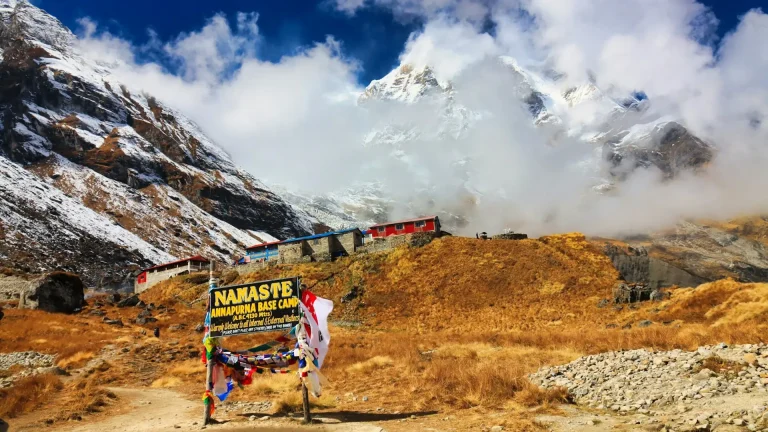
Winter (December to February) is cold, and Thorong La can close with snow. Still, lower treks like Base Camp and Poon Hill stay popular. There is also a useful quirk. Mustang and the upper Kali Gandaki sit in the rain shadow behind the main Himalaya. So parts of the Circuit stay drier even in the monsoon. For more, read our Annapurna Circuit in winter guide.
How much do Annapurna treks cost?
A guided Annapurna Circuit trek usually costs US$900 to US$1,600 per person in 2026. Annapurna Base Camp is a little less, because it is shorter. The permits are cheap, at about US$38 in total. There is also no costly mountain flight. So the region is good value. The main costs are your guide and porter, transport, and food and lodging.
For a full line-by-line breakdown, see our Annapurna Circuit cost guide for 2026.
What is Thorong La Pass, the high point of the Circuit?
The Annapurna Circuit is defined by its crossing of Thorong La at 5,416 m. Up there, the air holds only about half the oxygen of sea level. The pass is not technical. However, it is a long, hard day that rewards careful acclimatization. It is also the main reason the Circuit is graded harder than Base Camp.
If the Circuit is on your list, read our dedicated Thorong La Pass guide. It covers the altitude, the difficulty, the crossing day, and how to prepare safely.
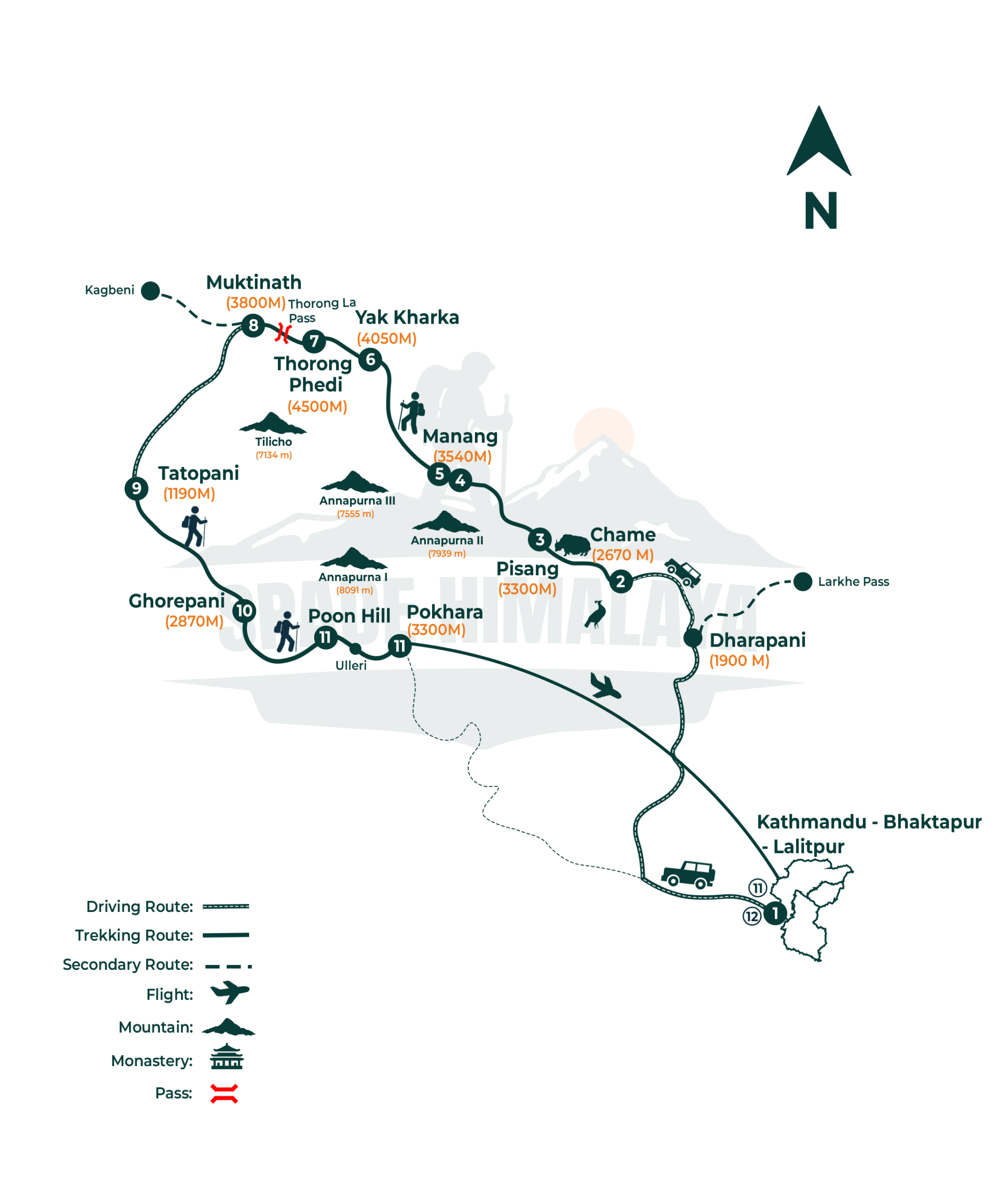
Our own Annapurna Circuit trek map. The route runs Chame (2,710 m), Pisang (3,300 m), Manang (3,540 m), Yak Kharka (4,050 m) and Thorong Phedi (4,500 m), crossing the Thorong La at 5,416 m to Muktinath (3,800 m), then on via Tatopani to Ghorepani (2,870 m) and Poon Hill (3,210 m).
Trek difficulty: the Spade Himalaya Trek Difficulty Scale
We grade every trek from 1 to 5, so you can compare them fast. This is our own scale, based on altitude, length, remoteness, and lodging.
| Grade | Name | What it means | Example treks |
|---|---|---|---|
| 1 | Easy | Under 3,500 m, short, gentle days | Poon Hill |
| 2 | Moderate | Up to about 4,200 m, no high pass | Annapurna Base Camp |
| 3 | Strenuous | 5,000 to 5,550 m, a base camp or one high pass, good lodges | Everest Base Camp, Annapurna Circuit, Manaslu Circuit |
| 4 | Challenging | Remote, above 5,000 m, long rough days, simple lodges or some camping | Makalu, Everest Three Passes |
| 5 | Expedition | Very remote, full camping, or several high passes | Upper Dolpo |
On this scale, the Annapurna Base Camp Trek is Grade 2 (Moderate). The Annapurna Circuit is Grade 3 (Strenuous), because it crosses the high Thorong La pass.
What are the temperatures by season?
Here are rough temperatures by season, so you know what to pack. These are field-experience ranges from our guides, not exact figures, because mountain weather changes fast.
| Season | Lower valley (day) | Thorong La and high camps (night) | Verdict |
|---|---|---|---|
| Spring (Mar to May) | 14 to 22°C | -8 to -15°C | Excellent |
| Autumn (Sep to Nov) | 12 to 20°C | -10 to -18°C | Excellent, clearest |
| Winter (Dec to Feb) | 8 to 16°C | -15 to -22°C | Pass can close |
| Monsoon (Jun to Aug) | 16 to 24°C | -3 to -10°C | Wet, but Mustang stays drier |
How fit do you need to be?
Annapurna treks run from moderate (Base Camp) to strenuous (the Circuit). Altitude is the main challenge, not the terrain. None of them need climbing skills. Still, the Circuit asks for real stamina and good acclimatization for the pass.
Here is a simple way to prepare:
- Start 8 to 12 weeks out. Build cardio with walking, jogging, cycling, or stairs.
- Do long hikes on hills, on back-to-back days, with a daypack.
- Add leg and core strength, and break in your boots well beforehand.
So Base Camp suits fit first-timers. The Circuit suits trekkers ready for a high pass and longer days.
How do you avoid altitude sickness?
Altitude is the biggest risk, above all on the Circuit’s Thorong La crossing. Altitude sickness (AMS) rises sharply with height. In one study of Himalayan trekkers, AMS affected about 15% at 4,000 to 4,500 m and 51% at 4,500 to 5,000 m (PubMed, retrieved 2026-06-18).
So the plan keeps you safe step by step:
- Take the acclimatization days, for example at Manang on the Circuit.
- Walk slowly, drink plenty of water, and skip alcohol up high.
- Let your guide check you daily with a pulse oximeter, and act early on symptoms.
- Descend if it gets worse. Going down is the best treatment. A helicopter is available in an emergency, so good insurance is a must.
What are accommodation and food like?
You sleep in teahouses, the family-run lodges along the Annapurna trails. Lower down, they are comfortable, with attached bathrooms and power. Higher up, near Thorong Phedi or the sanctuary, rooms get simpler and colder. Some are shared in peak season too. So a good sleeping bag matters.
The food is hearty and full of carbs, which is perfect for trekking:
- Dal bhat, the Nepali staple of rice, lentils, and vegetables, often with free refills.
- Noodles, potatoes, soups, momos, fried rice, and Tibetan bread.
- Vegetarian meals everywhere. Meat is best avoided high up, because it travels a long way.
- On the Circuit, Marpha is famous for apple pie, cider, and brandy. Manang has good bakeries too.
On an all-inclusive trip, your three daily meals are covered.
What about money, Wi-Fi, and practical tips?
Carry enough Nepalese rupees in cash, because ATMs on the trail are few and unreliable. Here are a few practical notes.
- Money: draw cash in Kathmandu or Pokhara. ATMs exist in Chame, Manang, and Jomsom, but they can run out.
- Wi-Fi and charging: most teahouses offer them for a small fee that rises with altitude. So bring a power bank.
- Hot showers: a few dollars each, and a real treat after a cold day.
- Water: refill and purify it rather than buying bottled water, which is costly and adds plastic waste.
- Wind: the Kali Gandaki and Mustang are windy in the afternoons. So start early and carry a windproof layer.
What should you pack?
The key is layers, because the trek runs from warm valleys to a freezing pass. Here is a short list of essentials.
- Footwear: broken-in waterproof boots, warm socks, and camp shoes.
- Layers: base layers, a fleece or down mid-layer, and a waterproof shell.
- Warmth: a four-season sleeping bag and a down jacket. You can rent both in Kathmandu or Pokhara for about US$35 each. They are essential for Thorong La.
- Head and hands: warm hat, sun hat, sunglasses, buff, and gloves.
- Extras: headlamp, trekking poles, sunscreen, a water bottle, and micro spikes for the pass in the shoulder seasons.
Each of our trek pages has a full, season-by-season packing list.
Responsible trekking and local culture
The Annapurna region is a living home for Gurung, Thakali, and Manangi people. So trek with respect and tread lightly. A few simple habits go a long way.
- Walk clockwise around mani walls, chortens, and prayer wheels.
- Ask before you photograph people, monks, or temples.
- Dress modestly in villages and at sacred sites like Muktinath.
- Carry out what you carry in, cut plastic, and refill your water.
- Support local lodges and porters, and treat the crew well.
The Annapurna Conservation Area is a model of community-based conservation. So your permit fee and your choices help protect it.
Highlights of the Annapurna region
- Thorong La Pass (5,416 m), the high point and crux of the Circuit.
- Muktinath, a temple holy to Hindus and Buddhists, with its eternal flame and 108 water spouts.
- The Annapurna Sanctuary and base camp (4,130 m), ringed by 7,000 m peaks.
- Poon Hill, a famous sunrise viewpoint over Annapurna and Dhaulagiri.
- Manang, a striking high village, and Marpha, a whitewashed Thakali apple village.
- Pokhara, the relaxed lakeside city that anchors the region.
Who should trek in the Annapurna region?
There is an Annapurna trek for almost everyone, from first-timers to seasoned trekkers. Are you new to the Himalaya? Then start with the Annapurna Base Camp Trek. Do you want the classic long loop and a high pass? Then choose the Annapurna Circuit. Either way, train first and trek with a licensed guide. That is both required and the safest way to enjoy the region.
If you are also weighing the Everest area, see our Everest region trekking guide to compare.
FAQs
What treks can you do in the Annapurna region?
The main routes are the Annapurna Base Camp Trek (9 days), the Annapurna Circuit Trek (12 days), and the longer Annapurna Circuit via Thorong La and Mustang (15 days). There are also shorter options like Poon Hill. So the region runs from moderate walks to a high mountain pass.
What permits do I need to trek in the Annapurna region?
You need two: the Annapurna Conservation Area Permit (ACAP, about NPR 3,000) and the TIMS card (about NPR 2,000 for non-SAARC trekkers). Since 2023, a licensed guide is also required (Nepal Tourism Board, retrieved 2026-06-23). Spade Himalaya arranges the permits and provides the guide.
Do you need a guide to trek the Annapurna Circuit?
Yes. Since April 2023, Nepal requires foreign trekkers in the Annapurna region to use a licensed guide through a registered agency. The rule still applies in 2026. So solo trekking without a registered guide is not allowed here.
Which is the best Annapurna trek for beginners?
The Annapurna Base Camp Trek. It is shorter, at about 9 days, and tops out at 4,130 m. It also has no high pass. So it is the gentler start. The Annapurna Circuit is a bigger, harder trek, and it suits those with more time or experience.
When is the best time to trek in the Annapurna region?
Spring (March to May) and autumn (September to November) are the prime seasons. Winter is cold and can block Thorong La with snow, though lower treks stay open. The Mustang rain shadow also makes parts of the Circuit possible even in the monsoon.
Is the Annapurna region good value?
Yes. There is no costly mountain flight like Lukla, because you reach the trails by road through Pokhara. The permits are cheap, and the teahouses are well developed. So Annapurna treks are among the best-value classic treks in Nepal.
Accuracy note: official fees, rules, and hard facts in this guide are cited inline from their sources; trail and price details are Spade Himalaya field research; route details reviewed by Yubaraj Katel, government-licensed trekking guide (Licence No. 19827) with 10 years of experience leading treks in the Annapurna region.

Start Planning Your Trek
Updated: 20 Jul, 2026
9 min
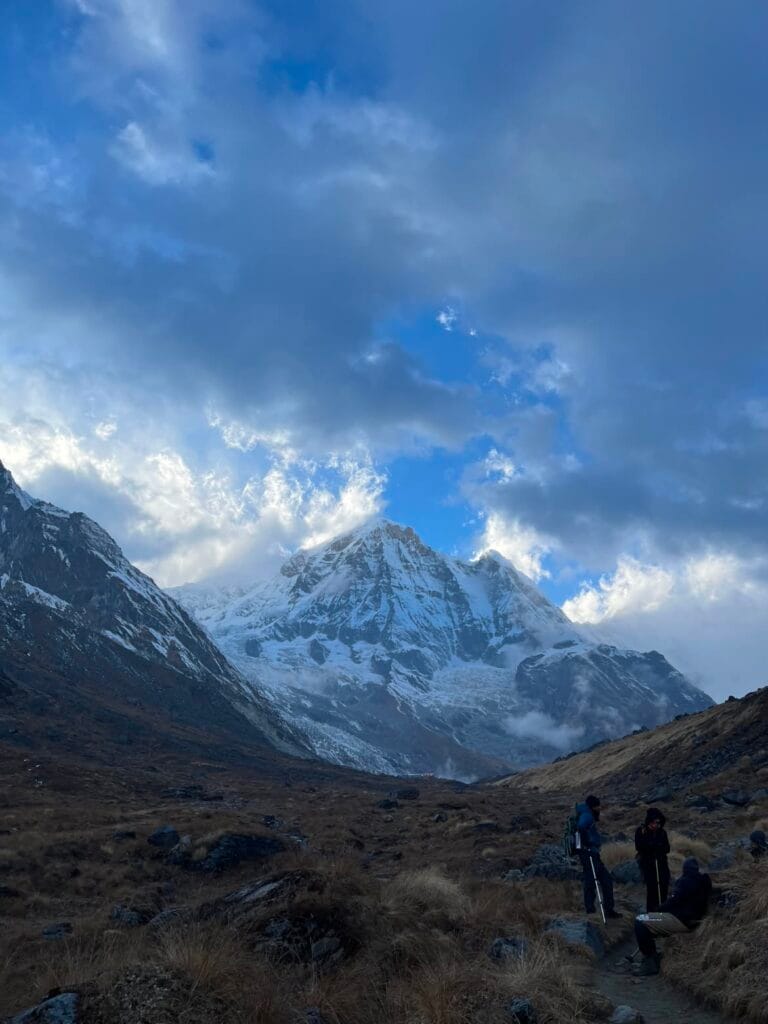
Annapurna Base Camp Trek Cost (2026): A Full Breakdown
What the Annapurna Base Camp trek really costs in 2026: permits, guide, food, transport, and package...
Updated: 6 Jul, 2026
7 min
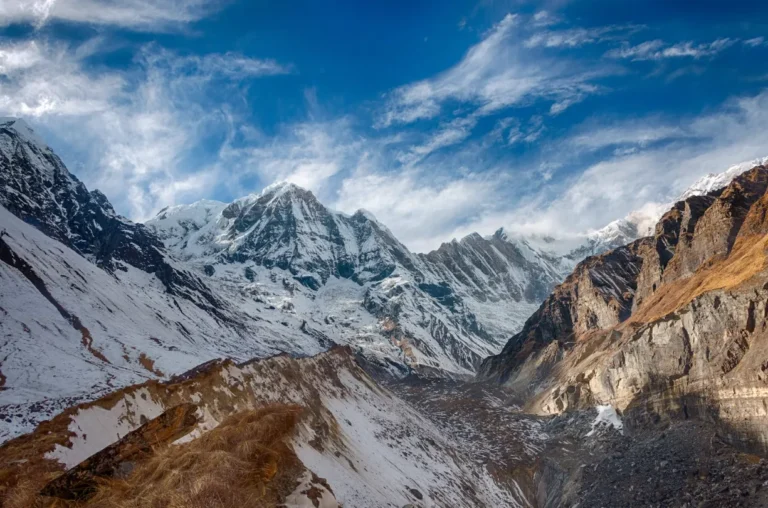
Annapurna Circuit Trek Cost in 2026: Full Breakdown
Quick answer: A guided Annapurna Circuit Trek is good value, with mandatory but cheap permits and...
Updated: 6 Jul, 2026
9 min
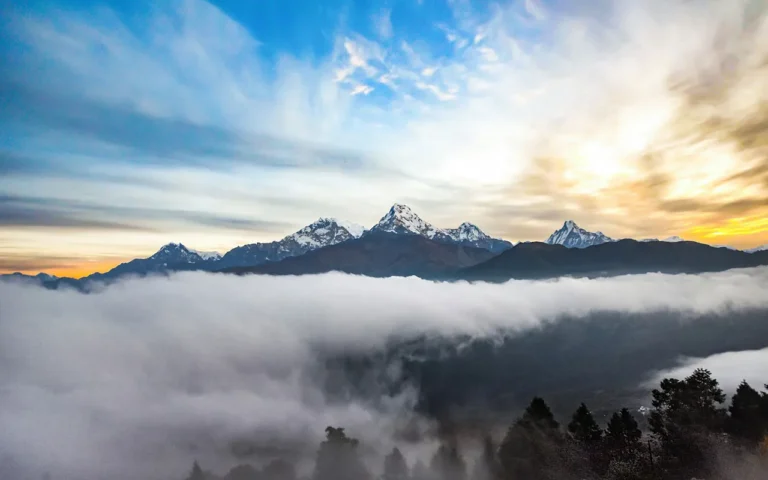
Ghorepani Poon Hill Trek: The Complete 2026 Guide
Quick answer: The Ghorepani Poon Hill Trek is an easy 4-day sunrise trek in Nepal’s Annapurna...