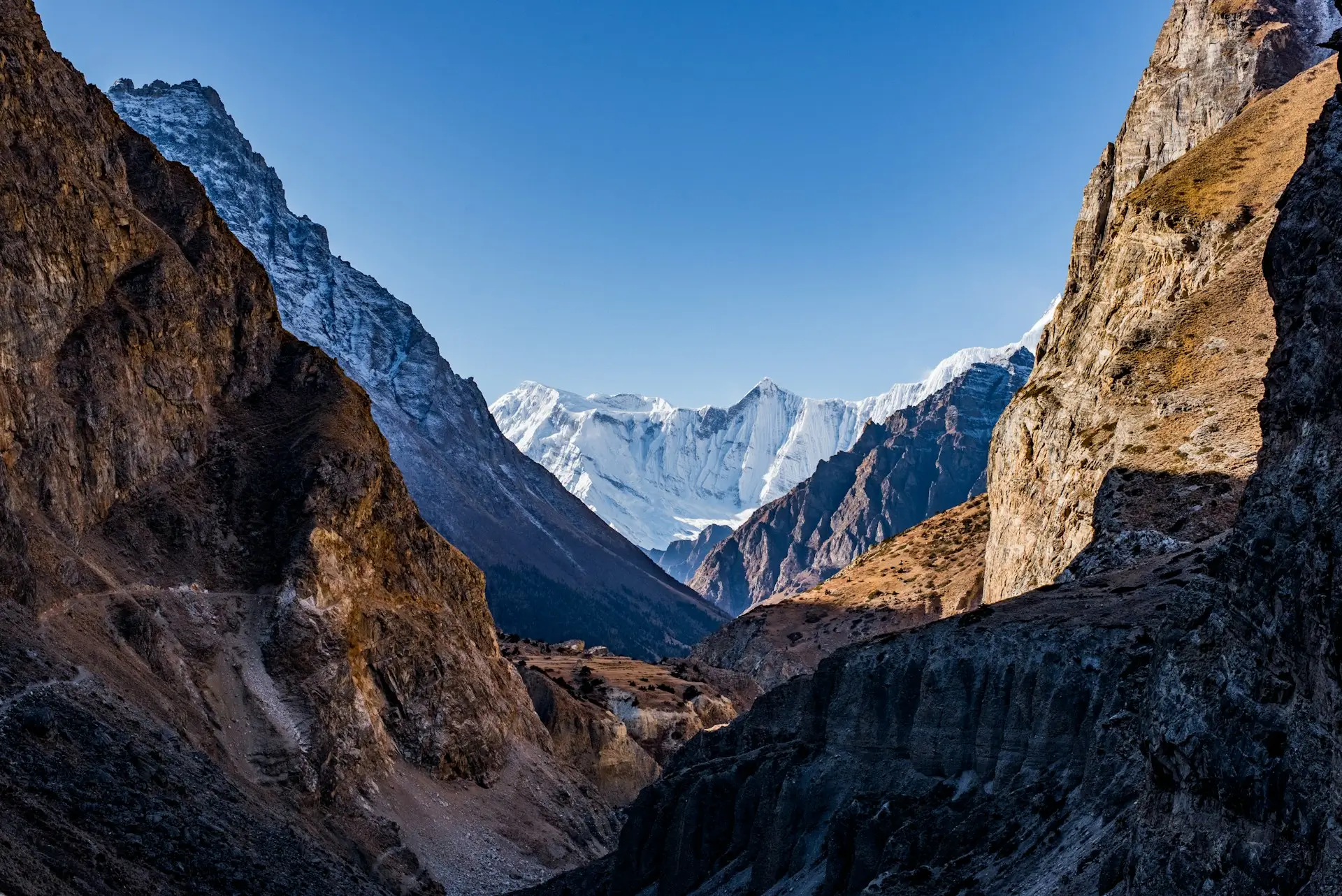
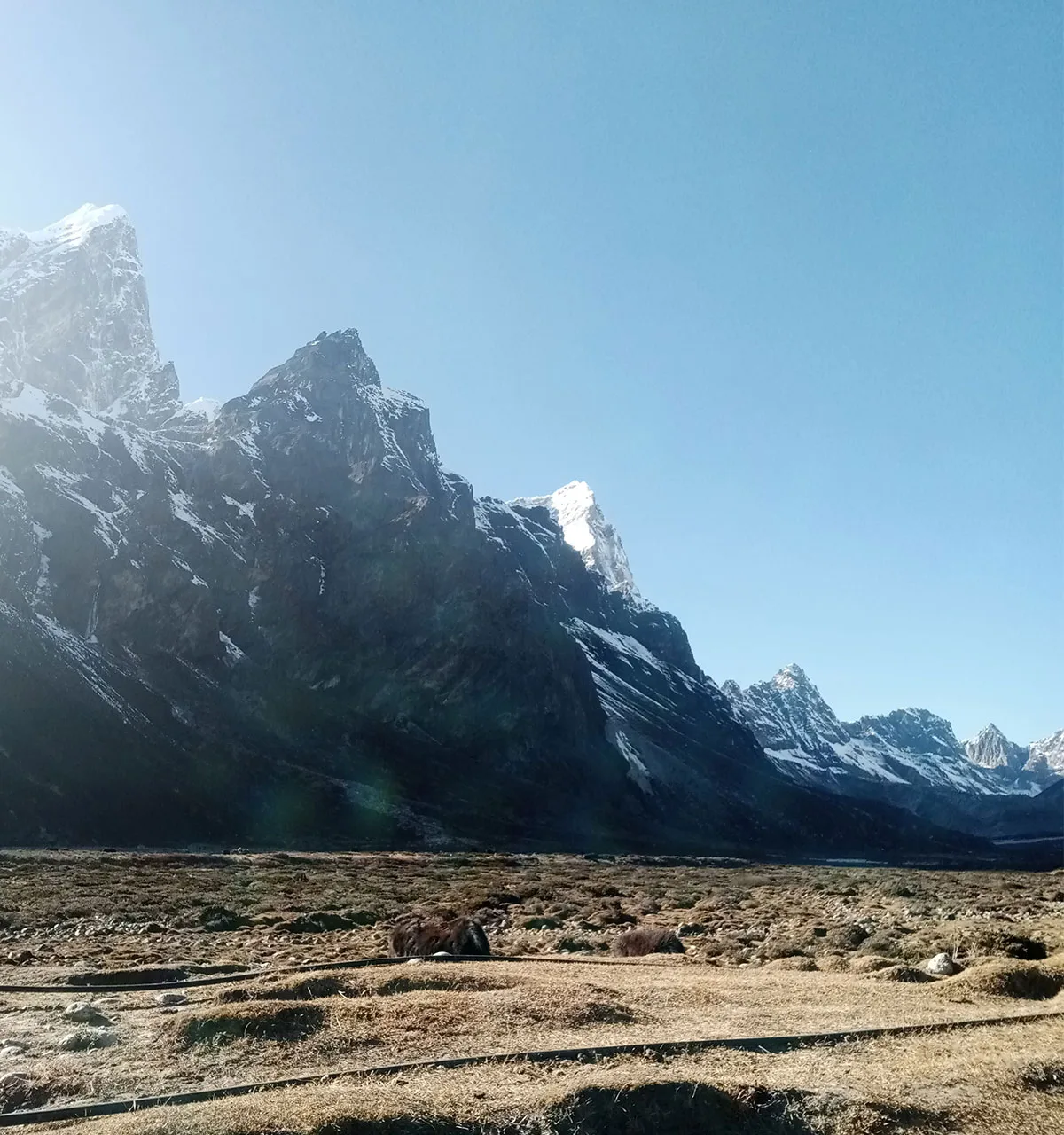
Quick answer: Everest Base Camp weather runs from mild trekking days to brutal nights. Days on the trail sit between 2 and 18 C by season, while nights near base camp fall to -25 C in winter. October, November, and the spring months bring the most stable skies, and mornings are clear far more often than afternoons.
The first thing to understand about Everest Base Camp weather is that you are never in one climate. The trek climbs from 2,846 m at Lukla to 5,364 m at base camp, and every thousand metres changes the rules. A t-shirt afternoon in Namche can end as a frozen night at Gorak Shep on the very same day. Then, for two or three days near the top, you meet the real high mountain.
Key Takeaways
- Trail days are mild: roughly 2 to 18 C depending on season and altitude.
- Nights near base camp are the real test: -5 C in summer, down to -25 C in winter.
- Mornings beat afternoons in every month. Cloud builds as the day warms.
- The stable windows are March to May and late September to November.
- A real research weather station now sits at base camp, so you can check live data.
What is the weather really like at Everest Base Camp?
Cold at night, surprisingly workable by day, and ruled by altitude more than by the calendar. Base camp sits at 5,364 m, where the air holds about half the oxygen of sea level and holds heat just as badly. The moment the sun disappears behind a ridge, the temperature falls off a cliff.
But trekkers do not live at base camp. You sleep most nights far lower, in villages like Namche Bazaar at 3,440 m, where the weather is kinder. So the honest picture of Everest Base Camp weather is really two pictures: pleasant walking days along the valley, and a short, cold, unforgettable spell up high.
One more pattern shapes everything. In the Khumbu, the day usually starts clear and clouds over after midday. That is why every good itinerary puts the big views, the passes, and the flights in the morning.
Everest Base Camp weather by month
Here is Everest Base Camp weather by month, as our guides experience it on the trail. Day figures are for Namche and the mid-trail. Night figures are for the base camp area, around Gorak Shep and above. These are Spade field-experience estimates, because mountain weather changes fast and no table can promise a given day.
| Month | Day (mid-trail) | Night (base camp area) | What to expect |
|---|---|---|---|
| January | 2 to 7 C | -20 to -25 C | Deep winter. Clear, cold, quiet trails |
| February | 3 to 8 C | -18 to -23 C | Still very cold. Skies often sharp |
| March | 6 to 12 C | -12 to -15 C | Spring begins. Trekkers return |
| April | 8 to 14 C | -10 to -12 C | Prime season. Rhododendrons below Namche |
| May | 10 to 16 C | -8 to -10 C | Warmest pre-monsoon days. Summit season |
| June | 10 to 16 C | -6 to -10 C | Monsoon arrives. Clouds and daily rain |
| July | 12 to 18 C | -5 to -8 C | Wettest weeks. Flights often delayed |
| August | 12 to 18 C | -5 to -8 C | Monsoon easing late in the month |
| September | 10 to 15 C | -8 to -12 C | Skies clearing. Fresh, washed views |
| October | 8 to 14 C | -10 to -15 C | The classic month. Most stable skies |
| November | 5 to 12 C | -14 to -18 C | Cold, crisp, and very clear |
| December | 2 to 8 C | -18 to -24 C | Early winter. Beautiful and demanding |
So the pattern is simple. Two excellent windows, spring and autumn. One wet season in the middle. One cold, clear season around the new year.
Also, notice how narrow the daytime spread is. Because altitude, not season, controls the cold up high, even summer nights near base camp sit below freezing. So the calendar changes your comfort, but the mountain sets the floor.
How cold is Everest Base Camp at night?
Cold enough to be the part trekkers remember. So here is the straight answer to how cold is Everest Base Camp after dark: in the trekking seasons, nights around Gorak Shep run from about -8 to -18 C, and in deep winter they fall to -25 C. Our best time to trek guide puts the same numbers month by month against flight risk and crowds.
If you only track one Everest Base Camp temperature number, make it the night low, because the nights drive the packing list, not the days.
And the thermometer is only half the story. Wind is the other half. A -12 C evening with wind across the glacier feels far colder than the number suggests, and that is exactly when you will be outside watching the light on Nuptse.
The fix is not suffering. It is preparation: a four-season sleeping bag, a real down jacket, and layers you can add the moment the sun drops. Our Everest packing list covers the exact kit, and lodges up high have blankets and hot dinners waiting.
Is the weather the same along the whole route?
Not even close, and this is the part most weather pages miss. The trek spans about 2,500 m of altitude, so you walk through bands of climate, not one climate.
| Altitude band | Feels like | Typical night |
|---|---|---|
| Lukla and Phakding (2,600 to 2,846 m) | Mild hill country | Rarely far below freezing |
| Namche Bazaar (3,440 m) | Cool mountain town | -8 to 4 C by season |
| Dingboche and Lobuche (4,400 to 4,900 m) | High alpine | Well below freezing most nights |
| Gorak Shep and base camp (5,160 to 5,364 m) | Glacier country | The coldest nights of the trek |
This is why layering beats any single heavy jacket. On one October day you can sweat up the Namche hill at noon and pull on a down jacket at Dingboche by five. The trail teaches the system fast: strip a layer when you move, add two when you stop.
Can you check the live weather at Everest Base Camp?
Yes, and from a real research station, not a guess. Since the 2019 National Geographic expedition, automatic weather stations have operated on Everest itself, and the Everest Weather Portal run by Appalachian State University shows hourly data from stations at Base Camp (5,315 m) and Camp 2 (6,464 m). If you want to see what an Everest Base Camp forecast looks like against reality, that page is the closest thing to standing there.
For trip planning, our guides also read the mountain forecast tools each evening on the trail, then trust their eyes each morning. Forecasts high in the Himalayas are useful for trends and rough timing, not promises. When a forecast and the sky disagree, the sky wins, and plans shift to the morning window.
How does weather actually affect your trek?
Three ways, and only one of them is about comfort.
First, flights. The Lukla runway needs decent visibility, so cloudy spells delay flights, sometimes for a day or more. That is why we build a buffer day into itineraries and why our Lukla airport guide tells you to book the earliest morning flight you can.
Second, views. The mountain is most honest at dawn. By early afternoon, cloud often swallows the big faces, even in perfect season. Plan the viewpoints, especially Kala Patthar, for first light.
Third, safety. Fresh snow, wind, and cold multiply the effort of every hour above 5,000 m. This is where a licensed guide earns their keep, reading conditions and adjusting the day before small problems grow. On our Everest Base Camp Trek, the itinerary already assumes mountain weather: morning starts, acclimatization days, and room to flex.

When is the best weather for Everest Base Camp?
Late September to November for the clearest skies, March to May for warmth and flowers. October is the classic choice for a reason: stable air, sharp views, and reliable flying weather. And whatever month you pick, book the earliest Lukla flight of the day. Because delays stack up as cloud builds, the first flights out carry the best odds. Spring answers with warmer days, blooming rhododendron forests, and the buzz of summit season at base camp itself.
Winter rewards well-equipped trekkers with empty trails and diamond-clear mornings, at the price of those -20 C nights. And the monsoon, June to mid-September, hides the peaks for days at a time, so we steer most first-timers away from it. The full month-by-month verdict, including crowds and flight risk, lives in our best time to trek Everest Base Camp guide.
What do guides do when the weather turns?
They change the clock before they change the route. First, starts move earlier, because the morning window is the reliable one. Then rest days get shuffled: if cloud sits on the valley, the acclimatization day happens where you are, and the viewpoint waits for a clear dawn.
Also, guides watch the small signs. Wind lines off the ridges, how fast the afternoon cloud climbs, what the lodge owners say about yesterday. And when fresh snow lands, the answer is usually patience, not heroics. A slow, late start on packed snow beats an early one on loose powder.
Finally, they protect the flight days. Because Lukla weather closes without warning, the buffer day stays sacred, and nobody books an international connection for the same evening they fly out of the mountains.
FAQs
What should you wear for Everest Base Camp weather?
Layers you can add the moment the sun drops. A four-season sleeping bag and a real down jacket matter most, because the nights, not the days, are the hard part. Daytime walking is often mild enough for a base layer and a fleece.
What is the warmest month at Everest Base Camp?
July and August bring the mildest temperatures, with mid-trail days of 12 to 18 C. But they sit in the monsoon, so the warmth comes with cloud, rain, and hidden views.
Does it snow at Everest Base Camp?
Yes. Snow can fall in any month at that altitude, and winter and the shoulder weeks bring it most often. Fresh snow usually makes the trail slower rather than impossible, and guides adjust the day around it.
Can you trek to Everest Base Camp in the monsoon?
You can, but we rarely recommend it for a first trek. Trails are wet, leeches appear low down, Lukla flights get delayed, and the mountains hide for days. Autumn is only a few weeks away and repays the wait.
Can you trek to Everest Base Camp in winter?
Yes, with the right gear and flexibility. December to February brings clear, quiet, beautiful days and seriously cold nights. It suits experienced trekkers who accept -20 C evenings for empty trails.
How accurate are Everest Base Camp forecasts?
Treat any forecast beyond two or three days as a trend, not a promise. Altitude, terrain, and fast-moving systems make precision impossible, which is why guides re-check every evening and keep mornings for the important moves.
What temperature is Everest Base Camp in October?
Expect mid-trail days of 8 to 14 C and nights near base camp around -10 to -15 C. So the same October day can need sunscreen at noon and a down jacket by dinner.
Is October really the best month?
For settled skies and dependable flying weather, October is hard to beat, and it is also the busiest. November offers similar clarity with fewer trekkers and colder nights.
Accuracy note: temperature ranges are Spade field-experience estimates from our guides, kept consistent with the seasonal tables across our Everest guides; live station data referenced from the Everest Weather Portal by Appalachian State University, home of the Base Camp (5,315 m) research station (retrieved 2026-07-08); flight and route details match our published itineraries; reviewed by Yubaraj Katel, government-licensed trekking guide (Licence No. 19827) with 10 years of experience leading treks in the Everest region.

Keep Planning Your Trek
Updated: 3 Oct, 2026
7 min
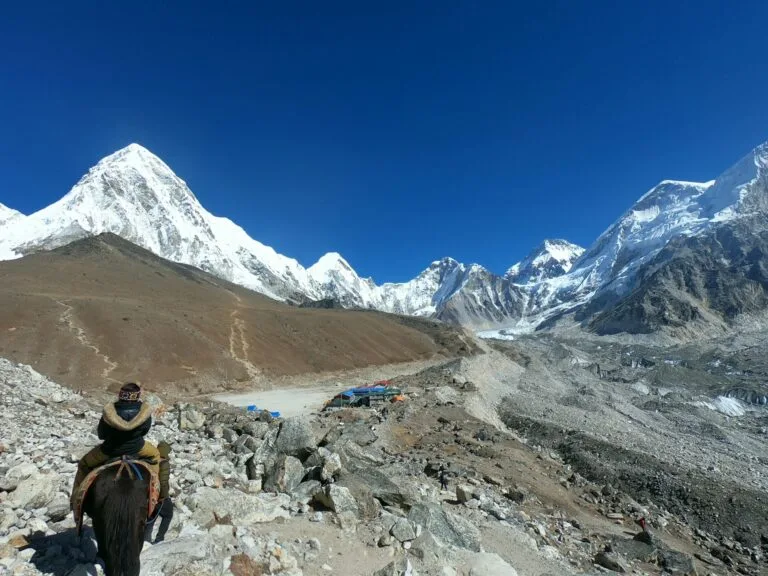
Best Time to Trek Everest Base Camp (Month by Month)
Quick answer: The best time to trek to Everest Base Camp is spring (March to May)...
Updated: 18 Jul, 2026
7 min
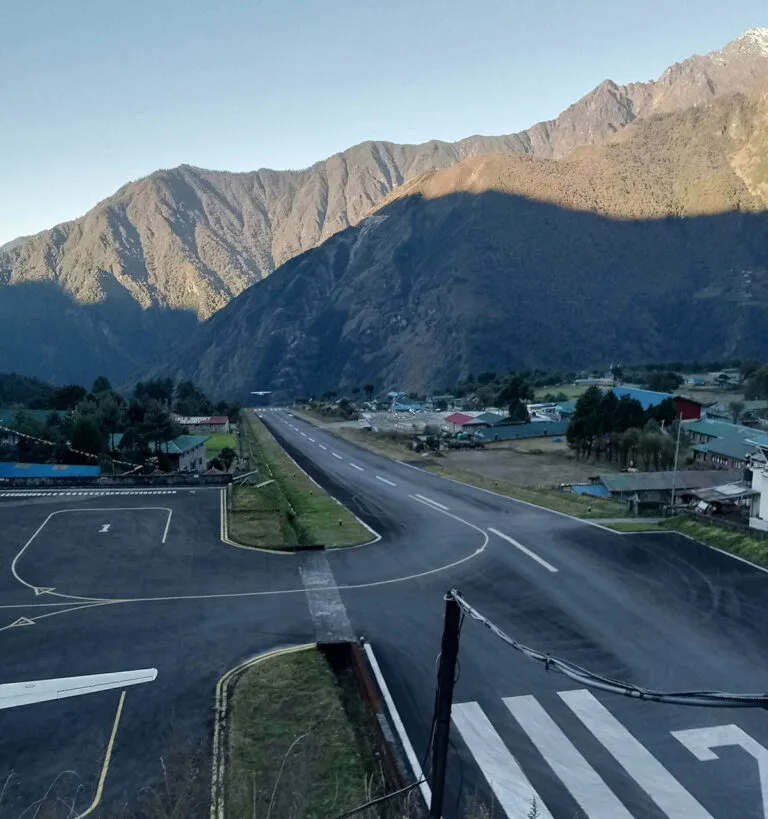
Lukla Airport: How Dangerous Is the Flight to Everest?
Quick answer: Lukla’s Tenzing-Hillary Airport is the gateway to Everest Base Camp, famous for a 527...
Updated: 20 Jul, 2026
15 min
Everest Region Treks: Routes, Cost & Best Time (2026 Guide)
Quick answer: The Everest region, or Khumbu, is home to Everest Base Camp, the Gokyo Lakes,...