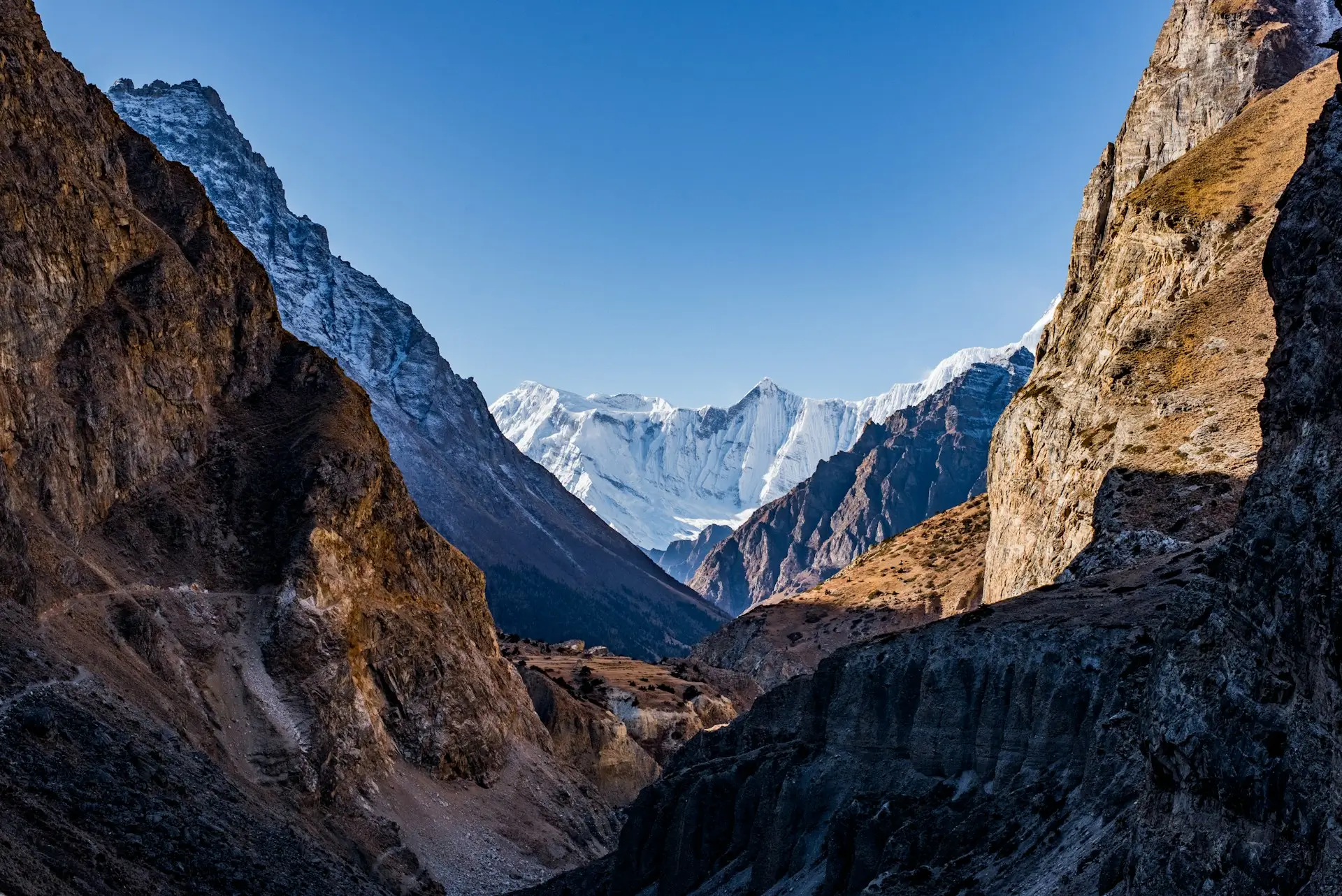
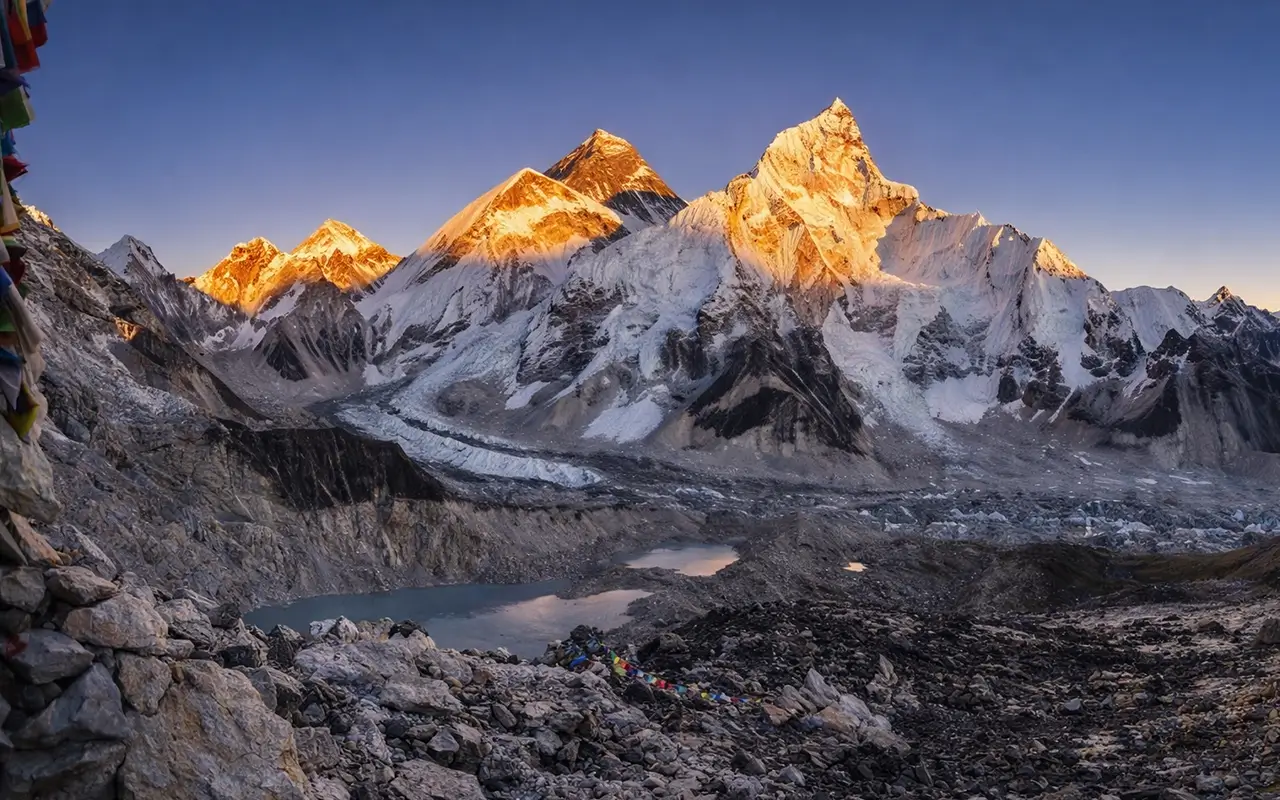
Quick answer: The Sleeping Beauty of Mount Everest was Francys Arsentiev, an American climber who died in May 1998, two days after becoming the first American woman to summit Everest without bottled oxygen. She died in the death zone above 8,000 m, where rescue is nearly impossible. In 2007, climbers moved her from view.
Before the facts, a promise: this page treats the people in it as people. The climbers the internet calls Sleeping Beauty and Green Boots had names, families, and reasons to climb. We tell their stories because millions search for them every month, and because the truth, told plainly, is more powerful than any legend.
Key Takeaways
- “Sleeping Beauty” was Francys Arsentiev, who died on Everest’s north side in May 1998.
- The death zone begins at 8,000 m, where the body cannot survive for long and rescue is rarely possible.
- Rainbow Valley is the climbers’ name for terrain below the northeast ridge where brightly colored gear of the fallen is visible.
- “Green Boots” was formally identified by DNA testing in 2026 as Lance Naik Dorje Morup, an Indian climber lost in 1996. Most websites still name the wrong man.
- At least 346 people have died on Everest, and an estimated 200 remain on the mountain.
- Trekkers to Everest Base Camp never enter the death zone. The trek tops out nearly 3 km below it.
Who was the Sleeping Beauty of Mount Everest?
Her name was Francys Arsentiev. On 22 May 1998, she became the first American woman to reach Everest’s summit without bottled oxygen, climbing the north side with her husband Sergei. It was an extraordinary achievement. It also meant moving slowly, and the couple were forced to spend another night above 8,000 m, where the body has no business staying alive.
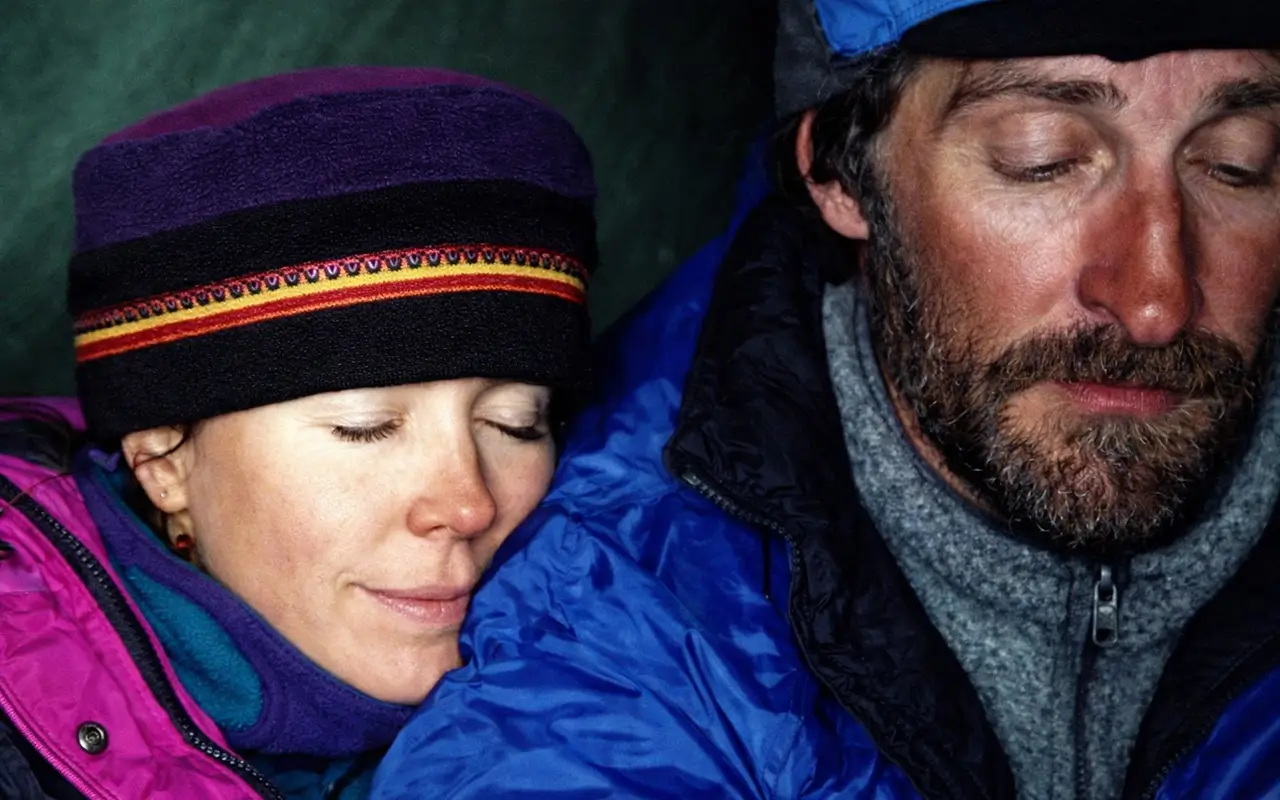
A historic photograph featuring Francys Arsentiev, the first American woman to summit Mount Everest without supplemental oxygen, alongside her husband Sergei Arsentiev during their fateful 1998 expedition.
In the darkness they became separated. The next morning, an Uzbek team found Francys half conscious, weakened by oxygen starvation and frostbite, and helped her down until their own strength ran out. Sergei climbed back up to save her. He was never seen alive again, and his body was found the following year, low on the face after a fall.
Then two more climbers, Ian Woodall and Cathy O’Dowd, reached Francys on 24 May. Because of her condition, the freezing weather, and the terrain, they could not carry her, and leaving her was the choice the mountain forced on them. That decision haunted Woodall. So in 2007 he returned, on an expedition he named The Tao of Everest. He found her, held a brief ritual, and moved her body out of sight of the climbing route.
Climbers passing in those nine years had named her Sleeping Beauty. The Sleeping Beauty Mount Everest legend grew from there. Yet her real story is braver and sadder than any nickname.
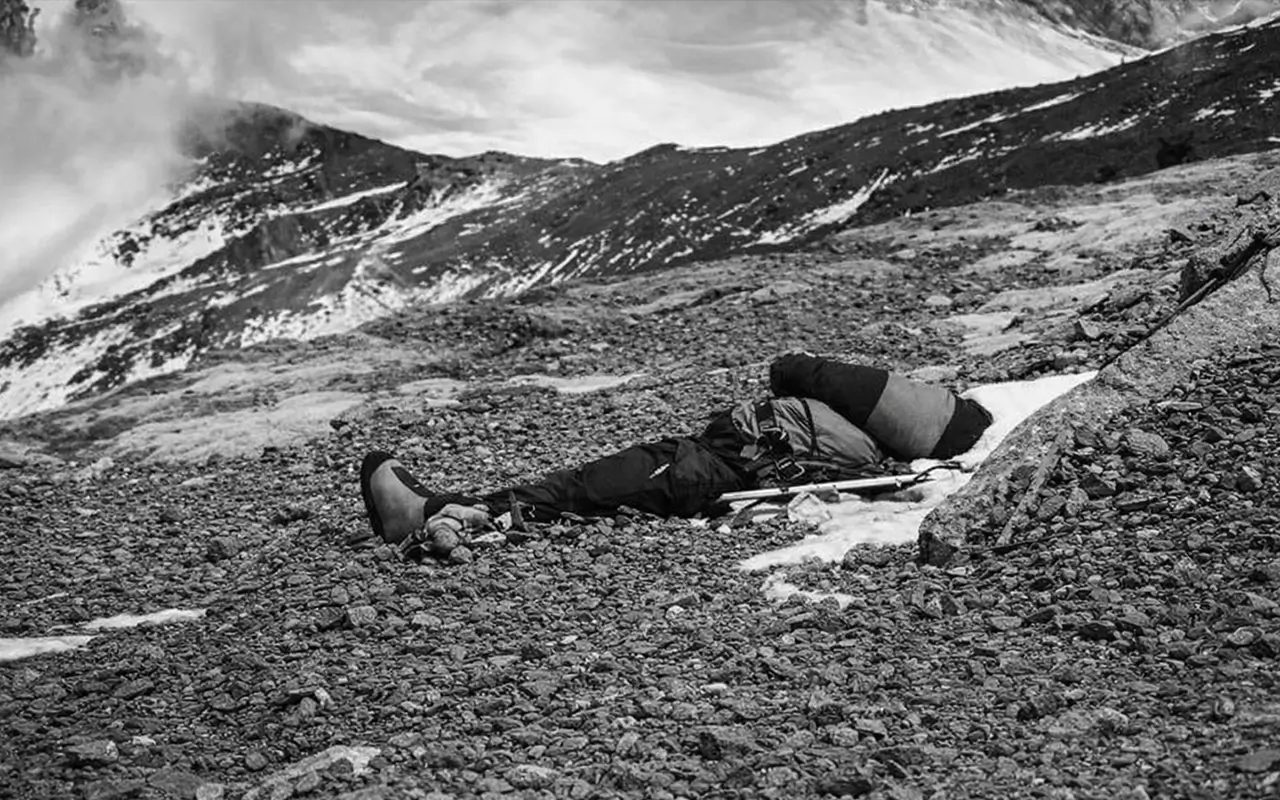 The iconic landmark of Francys Arsentiev (“Sleeping Beauty”) on Mount Everest before her body was respectfully moved from the climbing trail in 2007.
What is the death zone on Everest?
The death zone is everything above 8,000 m, and the name is literal. Up there, the air holds roughly a third of the oxygen at sea level. The human body cannot acclimatize to it. It only decays, faster or slower, no matter how fit the climber.
And that is what turns accidents into tragedies. A climber who collapses at 8,400 m weighs far too much for anyone to carry at that altitude, where every rescuer is already at their own limit. Helicopters cannot reliably operate that high. So the hard rule of the death zone is this: above 8,000 m, you can rarely save anyone but yourself.
Everest’s summit stands at 8,848.86 m. Climbers spend hours in the Everest death zone on summit day, and most who die on the mountain die there.
What is Rainbow Valley on Everest?
Rainbow Valley is not on any official map. It is the climbers’ name for terrain below the northeast ridge route where the brightly colored down suits of fallen climbers can be seen. Red, yellow, blue, and orange gear against the rock and snow gave the place its terrible, gentle name.
In truth, it exists because of the death zone’s arithmetic. When a climber falls or is lowered from the route above, the mountain keeps them. That is all Rainbow Valley Everest means. Nothing morbid was intended by the name. Like Sleeping Beauty, it is the language climbers use to carry something heavy.
Who was Green Boots?
For nearly three decades, the climber known as Green Boots was the most famous landmark on Everest’s north side, and the world had his name wrong. He was an Indian climber from the Indo-Tibetan Border Police expedition, lost in the 1996 disaster. His body came to rest in a small limestone alcove at about 8,500 m, and his neon green boots became a grim waypoint that every north-side climber passed.
For years, most articles identified him as Tsewang Paljor. In 2026, the Indo-Tibetan Border Police settled it with DNA testing: Green Boots was Lance Naik Dorje Morup, Paljor’s teammate. Most Green Boots Everest articles online still carry the wrong name. We think getting it right matters, because behind the landmark was a soldier whose family waited decades for certainty.
In 2014, a Chinese expedition managing the north side moved his body to a less conspicuous place. The alcove is empty now. And in 2026, India announced a plan to recover his body and bring him home at last.
How many people have died on Everest?
At least 346 people have died attempting Everest, and an estimated 200 of them remain on the mountain.
| The record, in numbers | |
|---|---|
| Recorded deaths | At least 346 |
| Bodies believed to remain | Around 200 |
| Deadliest single day | 2015 earthquake avalanche, 19 killed |
| 2014 icefall avalanche | 16 Nepali mountain workers killed |
| Deadliest recent season | 2023, with 17 deaths |
| Main causes | Hypoxia, avalanche, falls, serac collapse, exposure |
Two things stand out in that table. First, avalanches at lower elevations have killed many of the Nepali climbers and workers who make expeditions possible. Their losses deserve the same weight as any famous name. Second, the numbers are small next to the crowds: thousands attempt Everest each season, and the overwhelming majority come home.
Why are bodies left on the mountain?
Because recovering one can cost more lives. A body at extreme altitude, frozen into the slope, can weigh well over 100 kg with gear and ice. Bringing it down takes a team of the strongest climbers on earth working for days in the death zone, where they can barely keep themselves alive. Recovery attempts have killed rescuers before.
Then there is cost: high altitude recoveries run into tens of thousands of dollars and need helicopters, oxygen, and specialist teams. And so, for decades, the mountain’s dead have mostly remained where they fell.
Now that is slowly changing, lower on the mountain. Melting glaciers have begun revealing remains, and Nepal’s government has run recovery efforts in recent years, bringing down several unidentified climbers in 2019 and again in 2024. Where recovery is possible, it now happens more often.
Do Everest Base Camp trekkers see any of this?
No. This is the part the search results never explain, and it matters if you are planning a trip. Everything on this page happens above 8,000 m, on climbing routes that need permits, ropes, and oxygen. The trekking world stops far below it.
| Point | Altitude | World |
|---|---|---|
| Everest Base Camp | 5,364 m | Trekking, teahouses, guides |
| Kala Patthar viewpoint | 5,545 m | The trek’s high point |
| Death zone begins | 8,000 m | Mountaineering only |
| Everest summit | 8,848.86 m | Expedition climbing |
Here, a base camp trekker walks a village trail nearly 3 km below the death zone. They sleep in lodges and face a different, manageable risk: altitude sickness, which good acclimatization prevents. Our altitude sickness guide explains how we manage it, and our Everest Base Camp Trek builds those rules into every itinerary. For the view the climbers earn with their lives, trekkers have Kala Patthar, which asks only a cold dawn and a slow pace.

The mountain has two faces. The one in this article belongs to mountaineers. The one most people meet is the trail, and it is one of the great walks on earth.
Where can trekkers pay their respects?
At the Thukla Pass memorials, the most moving stop on the Everest Base Camp trail. On the climb between Dingboche (4,410 m) and Lobuche (4,910 m), the trail crests a windy ridge lined with stone chortens and prayer flags. Each one honours a climber or a mountain worker lost on Everest.
Our Everest Base Camp Trek stops at the memorials on the walk to Lobuche, and most groups fall quiet without being asked. Nothing about the place feels morbid. It is wind, stone, and names. And it does what this page tries to do: it turns a legend back into a person.
So if you want to honour the mountain’s dead, you do not need a climbing permit. You need a pair of boots and a quiet minute at Thukla.
FAQs
Where is the Sleeping Beauty of Everest now?
In 2007, Ian Woodall returned and moved Francys Arsentiev’s body away from the climbing route, out of view. She remains on the mountain, at rest.
Is Green Boots still on Everest?
In 2014, a Chinese expedition moved his body from the famous alcove. It no longer serves as a landmark. Then in 2026, DNA testing identified him as Lance Naik Dorje Morup of India, and a recovery plan was announced.
What happens to the body in the death zone?
Above 8,000 m the body receives about a third of sea-level oxygen. It cannot adapt, digestion falters, thinking slows, and tissue begins to fail. Climbers survive there only briefly, usually with bottled oxygen.
Has anyone survived being left for dead on Everest?
Yes. The most famous case is Beck Weathers, who was twice left unresponsive during the 1996 storm and then walked into camp on his own. Yet survival like his is remembered precisely because it is so rare.
How many bodies remain on Mount Everest?
Around 200, by long-standing estimate. Today, melting ice and recovery efforts by Nepal are slowly reducing that number lower on the mountain.
Is the Everest Base Camp trek dangerous like this?
No. The trek never approaches the death zone. Its main risk is altitude sickness, which is well understood and managed with proper acclimatization, the way every good operator plans it.
Accuracy note: names, dates, and figures verified against the public record for Francys Arsentiev, the climber long known as Green Boots (identified by DNA testing in 2026 as Lance Naik Dorje Morup, per CBS News), and the Everest fatality record (both retrieved 2026-07-04); altitudes match our published itineraries; trekking safety details reviewed by Yubaraj Katel, government-licensed trekking guide (Licence No. 19827) with 10 years of experience leading treks in the Everest region. No images of the deceased appear on this page, by policy.

Ready to See It for Yourself?
Updated: 6 Jul, 2026
9 min
Everest Base Camp Trek Cost in 2026: Full Breakdown
Quick answer: A guided Everest Base Camp Trek’s biggest single cost is the round-trip Lukla flight,...
Updated: 6 Jul, 2026
8 min
Everest Base Camp Trek Difficulty and Training (2026 Guide)
Quick answer: The Everest Base Camp Trek is graded strenuous, so it is hard but needs...
Updated: 20 Jul, 2026
15 min
Everest Region Treks: Routes, Cost & Best Time (2026 Guide)
Quick answer: The Everest region, or Khumbu, is home to Everest Base Camp, the Gokyo Lakes,...