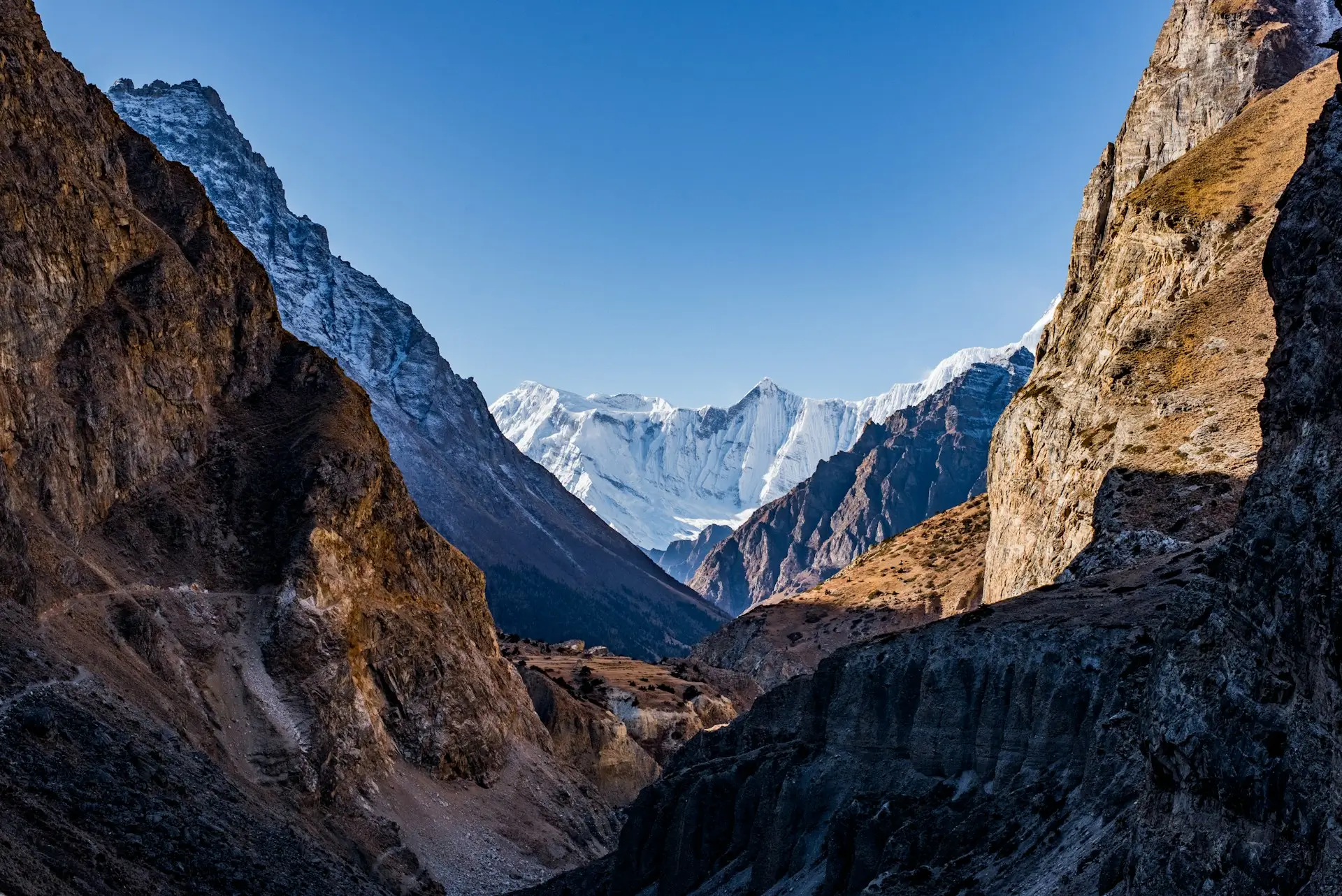
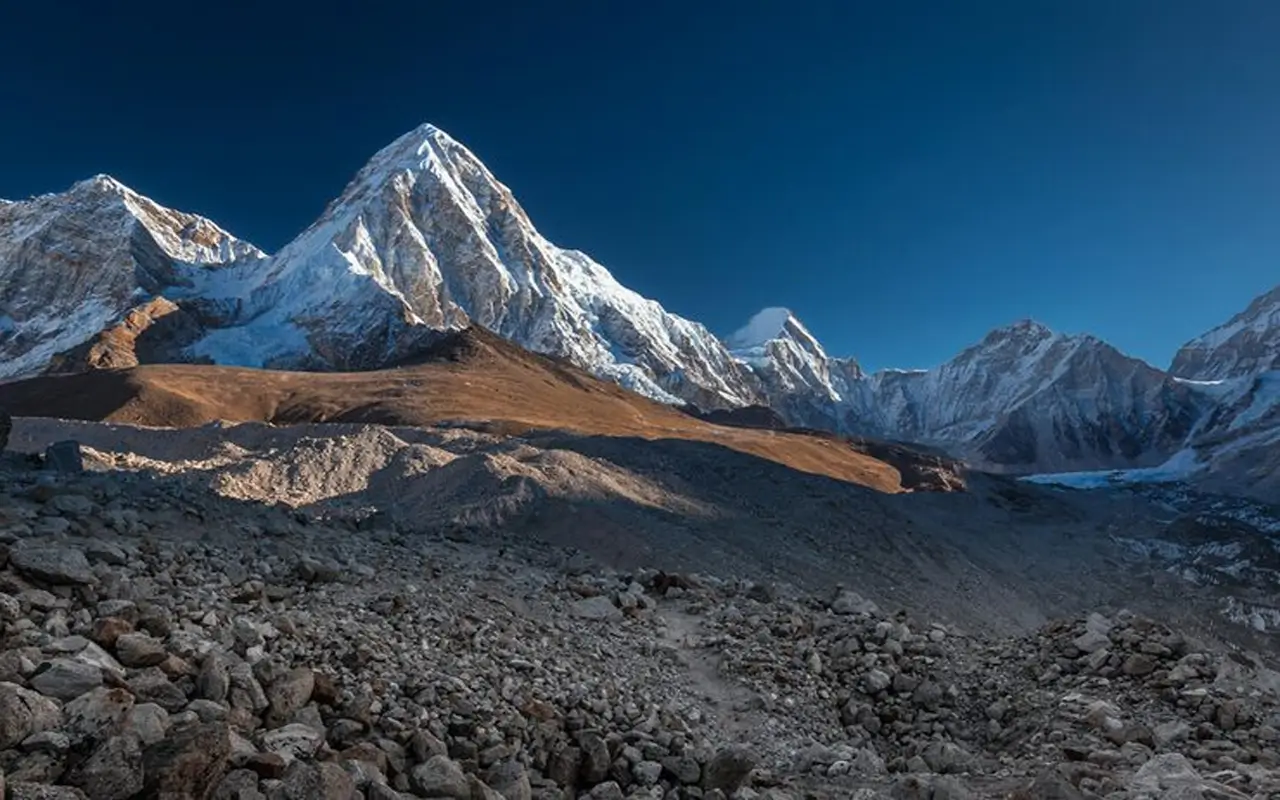
Quick answer: Kala Patthar is a 5,545 m viewpoint above Gorak Shep, and it gives the best view of Everest you can reach on foot. The climb takes about two hours. Most trekkers go at dawn for stable weather, though the warmest light on Everest comes late in the day. Every Everest Base Camp itinerary can include it.
Kala Patthar is the reason many trekkers feel their Everest photos were worth the walk. The name means “black rock” in Nepali, and that is exactly what it is: a dark, rubbly shoulder on the south ridge of Pumori. It holds no teahouse and no village. Yet it beats Everest Base Camp itself for one thing that matters, which is the view of Everest.
Key Takeaways
- Kala Patthar stands at 5,545 m, higher than Everest Base Camp (5,364 m).
- The climb starts at Gorak Shep (5,190 m) and takes about two hours up.
- You cannot see Everest’s summit well from base camp. From Kala Patthar, you can.
- Dawn gives the most reliable weather. Late afternoon gives warmer light on Everest.
- No extra permit is needed beyond the two standard Everest region permits.
- No time to trek? Our helicopter tour lands at Kala Patthar in a single morning.
This guide covers the altitude, the climb, the light, and every way to get there. For full trip plans, see our 14-day Everest Base Camp Trek and the 16-day sunrise route built around Kala Patthar.
What is Kala Patthar?
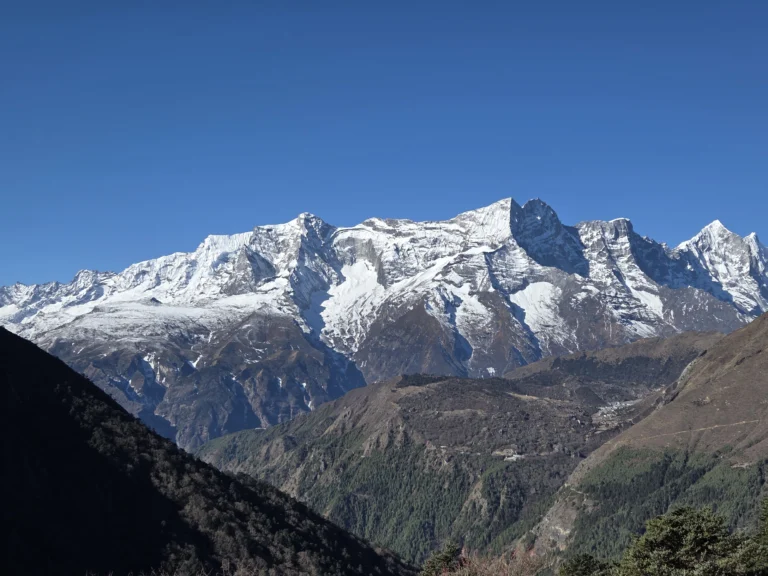
Kala Patthar is a viewpoint, not a mountain in its own right. It is a broad rocky rise on the lower ridge of Pumori (7,161 m), directly above the last teahouse stop at Gorak Shep. Trekkers climb it for one reason. Here, the whole southwest face of Everest stands in front of you, from the Khumbu Icefall to the summit pyramid.

At the top, prayer flags mark the high point. And on clear mornings, a line of headlamps snakes up from Gorak Shep well before light. Nuptse rises to the right, Pumori at your back, and the Khumbu Glacier curls below. Our guides call it the best fifteen minutes in the Khumbu, and then everyone’s fingers get too cold for photos.
How high is Kala Patthar?
Kala Patthar stands at 5,545 m (18,192 ft). So it stands higher than Everest Base Camp, and for most trekkers it is the highest point of the entire trip. In that air, you breathe roughly half the oxygen of sea level.
| Point | Altitude |
|---|---|
| Gorak Shep (start of the climb) | 5,190 m |
| Everest Base Camp | 5,364 m |
| Kala Patthar | 5,545 m |
| Everest summit, for scale | 8,848.86 m |
Because of that height, acclimatization matters more than fitness. Our 16-day itinerary adds two extra nights on the way up for exactly this reason. For what the thin air feels like, read our Everest Base Camp difficulty guide.
Why is the view better than from Everest Base Camp?
Here is the honest secret of the Khumbu: you cannot see Everest properly from Everest Base Camp. The camp sits tight against the mountain’s own shoulder, so Nuptse and the icefall block the summit. Trekkers arrive, look up, and ask their guide which one is Everest.
Kala Patthar solves that. It stands back from the massif, across the glacier, at the perfect angle. At the top you see the summit, the South Col, and the black pyramid rising behind the Nuptse wall. In short, base camp is the goal you walk to, and Kala Patthar is the place you finally see what you walked for. Most itineraries include both, one day apart.
Sunrise or sunset: when is the light best?
Most trekkers climb at dawn, and for good reason: mornings bring the calmest, clearest weather in the Khumbu. Afternoons often pull cloud up the valley, and wind builds with the day. So a dawn start gives you the best odds of a clean view. For the other great Khumbu viewpoint, see Gokyo Ri and the Gokyo Lakes, or weigh the two treks in our Gokyo vs Everest Base Camp guide. Dress for it, because it is bitter before sunrise: see Everest Base Camp night temperatures.
But photographers should know one thing. Everest sits east of Kala Patthar. At sunrise the sun comes up behind the mountain, so you get a strong outline and a backlit face. Later in the day, the light reverses and the southwest face glows. Our guides put it simply: climb at dawn for the surest view, and climb again before dusk if the sky holds and you have the legs.
For the season, the rules match the rest of the region. March to May and October to November give the most stable skies. Our best time to trek guide breaks it down month by month.
How hard is the climb from Gorak Shep?
The climb gains about 355 m and takes around two hours up at a steady, slow pace. On paper that sounds easy. At 5,000 m and higher, nothing is. You move on thin air, in the cold, often before dawn, and the last rocky rise feels longer than it looks.
Afterward, the descent to Gorak Shep takes under an hour. So the round trip fits before breakfast. Three things make it far more comfortable:
- Layers. Dawn on the ridge is bitter, and the wind bites even in spring. Pack per our Everest packing list.
- Water and a slow pace. Guides who climb this every season walk it slower than you expect. Copy them.
- Good acclimatization. The climb is only safe and enjoyable if the days before it were planned well.
How do you get to Kala Patthar?
Every classic Everest route can include Kala Patthar, and one trip is built around it. First comes the mountain flight to Lukla (2,846 m). Then the trail climbs through Namche Bazaar on the classic Khumbu path.
| Route | Days | Kala Patthar role |
|---|---|---|
| Everest Base Camp Trek | 14 | Dawn climb after the base camp day |
| EBC & Kala Patthar Sunrise Trek | 16 | The centerpiece, with extra acclimatization |
| Three Passes Trek | 20 | One highlight among the passes |
| EBC Helicopter Tour | 1 | Lands at Kala Patthar, no trekking |
Kala Patthar is one of three places in Nepal a helicopter will put you down, and we compare all of them in our Nepal helicopter tours guide.
There is no separate “Kala Patthar trek” sold on its own, because the viewpoint sits deep in the valley. Reaching it on foot means walking the Everest trail either way.
Can you reach Kala Patthar by helicopter?
Yes. Our Everest Base Camp Helicopter Tour lands at Kala Patthar in a single morning from Kathmandu. For the cost, safety, and whether it is worth it, see our Everest helicopter tour guide. The stop at 5,545 m is short by design, because you arrive with no acclimatization and the air is thin. You get minutes for photos with Everest. Then the helicopter descends for breakfast at Hotel Everest View (3,880 m).
Overall, the tour runs 4 to 5 hours door to door and flies year round, with mornings giving the clearest skies. For trekkers short on time, it is the only way to stand at Kala Patthar without walking for days.
What permits do you need for Kala Patthar?
No special permit exists for Kala Patthar. You need the same two permits as the rest of the Everest region. The Sagarmatha National Park entry permit costs NPR 3,000 for foreign nationals, and SAARC nationals, including trekkers from India, pay NPR 1,500 (Nepal Tourism Board). The Khumbu Pasang Lhamu Rural Municipality permit adds NPR 3,000. There is no TIMS card in the Everest region.
Both permits come arranged with every Spade Himalaya trip. For fees, offices, and the solo trekking rules, our Everest Base Camp permits guide covers everything.
FAQs
Do you need oxygen to climb Kala Patthar?
No. Trekkers climb it without supplementary oxygen, though the air holds roughly half the oxygen of sea level up there. That is why it feels so slow. Go at an easy pace, and turn back if symptoms of altitude sickness appear.
How long does the Kala Patthar climb take?
About two hours up from Gorak Shep (5,190 m) and under an hour back down. The climb gains roughly 355 m. At this altitude, a slow and steady pace matters more than fitness.
Can you see Everest's summit from base camp?
Not well. Both Nuptse and Everest’s own shoulder block the view from the camp. Kala Patthar exists as a viewpoint precisely because it shows the summit that base camp hides.
What time should you start for sunrise?
Most groups leave Gorak Shep in the dark, about two hours before first light. Your guide sets the exact time by season, so dawn finds you at the prayer flags rather than halfway up.
Do Indian trekkers pay lower permit fees?
Yes. SAARC nationals pay NPR 1,500 for the Sagarmatha National Park permit, half the standard foreign rate (Nepal Tourism Board). The local municipality permit is NPR 3,000.
Is Kala Patthar harder than Everest Base Camp?
It is higher but shorter. The base camp day is a long walk on glacier moraine. Kala Patthar is a steep two hour climb on thinner air. So most trekkers who managed the base camp day manage Kala Patthar the next morning.
Accuracy note: route details reviewed by Yubaraj Katel, government-licensed trekking guide (Licence No. 19827) with 10 years of experience leading treks in the Everest region. Altitudes match our published itineraries; permit fees re-checked against Nepal Tourism Board listings (retrieved 2026-07-03).

Ready to See It for Yourself?
Updated: 6 Jul, 2026
9 min
Everest Base Camp Trek Cost in 2026: Full Breakdown
Quick answer: A guided Everest Base Camp Trek’s biggest single cost is the round-trip Lukla flight,...
Updated: 3 Oct, 2026
13 min
Gokyo Lakes Trek Guide (2026): Nepal’s Highest Freshwater Lakes
Gokyo Lakes trek guide: the route, cost, permits, Gokyo Ri at 5,357 m, lake depths, and...
Updated: 20 Jul, 2026
15 min
Everest Region Treks: Routes, Cost & Best Time (2026 Guide)
Quick answer: The Everest region, or Khumbu, is home to Everest Base Camp, the Gokyo Lakes,...