Quick answer: The Sherpa are a Tibetan Buddhist people who settled the high valleys of Nepal’s Everest region about five centuries ago. There are around 250,000 of them in Nepal. The word means “people from the east,” and while many work in mountaineering, “Sherpa” is an ethnic group with its own language, religion, and traditions, not a job title.
Here is the first thing to get right. A Sherpa is a person, not a profession. You will hear climbers call any high-altitude porter a “sherpa,” and that habit has blurred the truth. The Sherpa are one of Nepal’s many ethnic groups, with a homeland, a faith, and a way of life that existed long before the first climber arrived. On our Everest treks, you walk through the heart of that homeland, so it is worth knowing whose land you are on.
Key Takeaways
- The Sherpa migrated from eastern Tibet to Nepal’s Khumbu around 500 years ago.
- The name comes from Tibetan shar (east) + pa (people).
- There are about 250,000 Sherpas in Nepal, roughly 1% of the population.
- They follow Nyingma Tibetan Buddhism, the oldest of its four schools.
- “Sherpa” with a capital S is an ethnic group. The lowercase job word borrows the name.
- Their bodies are genuinely adapted to thin air, a real advantage backed by genetics research.
What is a Sherpa?
A Sherpa is a member of a Tibetan ethnic group native to the high Himalaya of Nepal. According to the 2023 Nepal census, there are 250,637 Sherpas, or about 1.1% of the country (Wikipedia). Most live in the eastern districts, above all in Solukhumbu, the region that holds Everest.
The name tells their story. It joins two Tibetan words, shar for east and pa for people. So Sherpa means “people from the east.” And that points back to Kham, in eastern Tibet, where their ancestors began.
Now the part most articles get muddled. With a capital S, Sherpa is an ethnicity. As a lowercase word, “sherpa” has drifted into English to mean a mountain guide or helper of any background. The two overlap because so many Sherpas do work on the peaks. But they are not the same thing, and a Tibetan-speaking farmer in Khumbu is a Sherpa whether or not they ever touch a rope.
Are Sherpas Nepali or Tibetan?
Both, in a way. Sherpas are Nepali citizens whose roots lie in Tibet. So the culture, language, and religion are Tibetan in origin. But the Sherpa have lived in Nepal for around 500 years. Today they are one of Nepal’s own peoples.
Nepal formally recognizes the Sherpa as an indigenous nationality, part of the group known as Adivasi Janajati (Wikipedia). So a Sherpa is Nepali by nationality and Tibetan by heritage. And the identity that results is fully their own.
One common mix-up is worth clearing up. The Sherpa are not the same people as the Tamang, even though both are Buddhist hill groups with Tibetan roots. They are separate ethnic groups, with different languages, homelands, and histories. So if you meet a Tamang guide, they are not a Sherpa, and the reverse is true too.
Is it offensive to call someone a Sherpa?
Using it as their name is respectful. Using it to mean “porter” is where it goes wrong. This trips up a lot of well-meaning visitors, so it is worth getting right.
Sherpa is a proud ethnic identity. So calling a Sherpa person a Sherpa is simply correct, the way you would name any people. The trouble starts when the word is used for any porter or helper, whoever they are. Then a whole culture becomes a job title, and it erases the many other Nepali peoples who also carry loads and guide on the trails.
So what should you say instead? For the role, use the role. Say porter, guide, or climbing guide when you mean the work. And save Sherpa for the people who actually are Sherpa. In our teams, we name each person by their job and their real name, not by an ethnic label.
Where did the Sherpa come from?
They crossed the Himalaya from Tibet and settled the Khumbu valleys. Sherpa oral history records four founding clans, the Minyakpa, Thimmi, Lamas Sherwa, and Chawa, who moved from Kham into Solukhumbu (Wikipedia). By around the 15th century, the Sherpa of Khumbu had settled into the high valleys they still farm today.
The land they chose is harsh and beautiful. It sits between about 3,000 and 4,500 m, too high for most crops. So the Sherpa built a life around what the altitude allows. Think hardy potatoes, barley, yak herds, and trade over the high passes into Tibet.
For centuries that trade was the real economy, not climbing. Salt, wool, and grain moved across the Nangpa La pass. Then the border politics of the 20th century closed much of that route. And mountaineering arrived to fill the gap.
What do the Sherpa believe?
Almost all Sherpas follow Nyingma Buddhism, the oldest school of Tibetan Buddhism. The census records close to 99% as Buddhist. So the faith is not a detail of Sherpa life. It shapes the whole landscape.
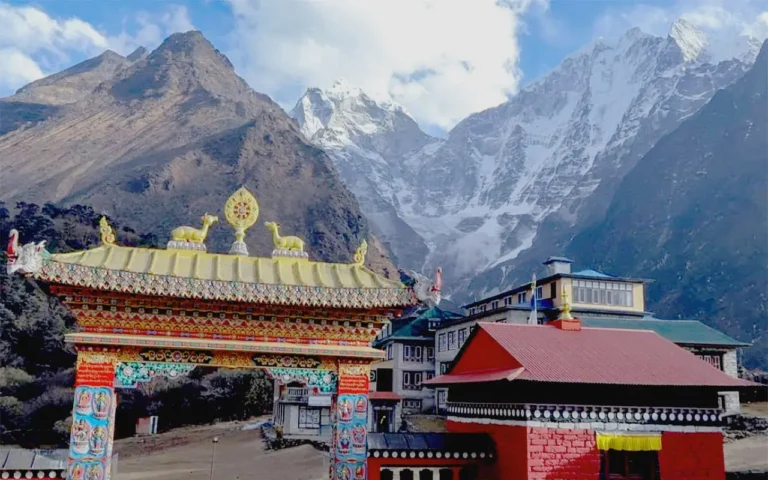
You see it before you meet a single monk. First, prayer flags string across the passes. Then mani stones, carved with sacred script, line the trails, and you always pass them on the left. Whitewashed chortens mark the entrance to villages. And at the spiritual center of the Khumbu stands Tengboche Monastery, where expeditions still stop for a blessing before they climb.
Older beliefs sit alongside the Buddhism, too. The mountains themselves are sacred. Sherpas call Everest Chomolungma, often translated as “mother goddess of the world.” So many climbing Sherpas would not summit without a puja ceremony first. This is why respect matters so much on the trail. In short, you are walking through a sacred place, not a sports arena.
Why are Sherpas so good at high altitude?
Because their bodies are genuinely built for it, and science can now explain how. This is not a stereotype. Generations on the Tibetan plateau have shaped Sherpa physiology in measurable ways.
In 2017, a study in the journal PNAS titled “Metabolic basis to Sherpa altitude adaptation” found that Sherpa muscles use oxygen more efficiently than lowlanders’ do (summarized by NPR). Their cells produce energy with less oxygen and cope better with the stress of thin air. Also, genetic studies point to variants in genes like EPAS1 and EGLN1 that help manage oxygen in the blood.
So what does that mean on the trail? A Sherpa porter may carry a heavy load to 5,000 m and barely slow down. Meanwhile, a fit visitor from sea level gasps. So the strength you see is real, and it is inherited, not just trained. Still, altitude sickness can affect anyone. For that reason, our altitude sickness guide matters for every trekker, Sherpa genes or not.
Do Sherpas climb Everest without oxygen?
Almost never at the very top, and that is a myth worth busting. Sherpas are better adapted than lowlanders. But they are not immune to the death zone.
On Everest, most Sherpas use bottled oxygen high on the mountain, just like their clients. Climbing records show that about 95% of summit climbers use supplemental oxygen. Sherpas often put their masks on near 7,950 m, the top camp, which is higher than many visitors manage. So they need less help, yet they still need it.
A rare few have gone without. The famous Ang Rita Sherpa summited Everest many times with no bottled oxygen at all. And the first people ever to reach the top without it were Reinhold Messner and Peter Habeler, on 8 May 1978 (Guinness World Records). But those are extraordinary exceptions. Above 8,000 m, nearly everyone breathes bottled air.
Who are the most famous Sherpa climbers?
Tenzing Norgay started it, and Kami Rita holds the crown today. In 1953, Tenzing Norgay stood on the summit of Everest with Edmund Hillary, one of the first two people ever to do so. That moment made the Sherpa name known across the world.
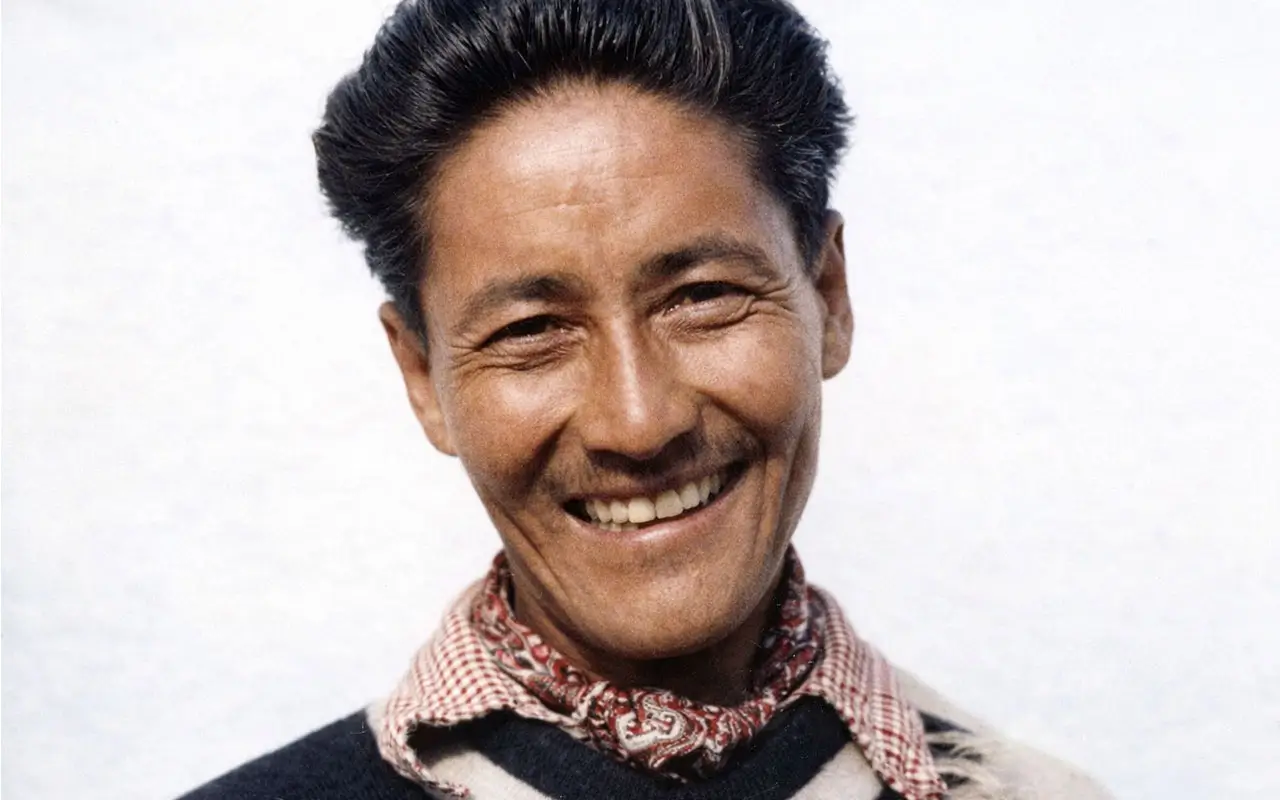
Tenzing Norgay
The records have only grown since. Here are the names worth knowing.
| Climber | Record | Detail |
|---|---|---|
| Tenzing Norgay | First ascent of Everest, 1953 | With Edmund Hillary, from Thame village |
| Kami Rita Sherpa | Most Everest summits ever | 32 ascents as of May 2026 |
| Lhakpa Sherpa | Most Everest summits by a woman | 11 ascents |
| Apa Sherpa | 21 summits, a long-time record holder | Advocate for Sherpa education |
Kami Rita, known as “Everest Man,” reached the top for the 32nd time on 17 May 2026 (Guinness World Records). He was born in Thame, the same small village that produced Tenzing Norgay. So one Khumbu village has shaped more Everest history than most nations.
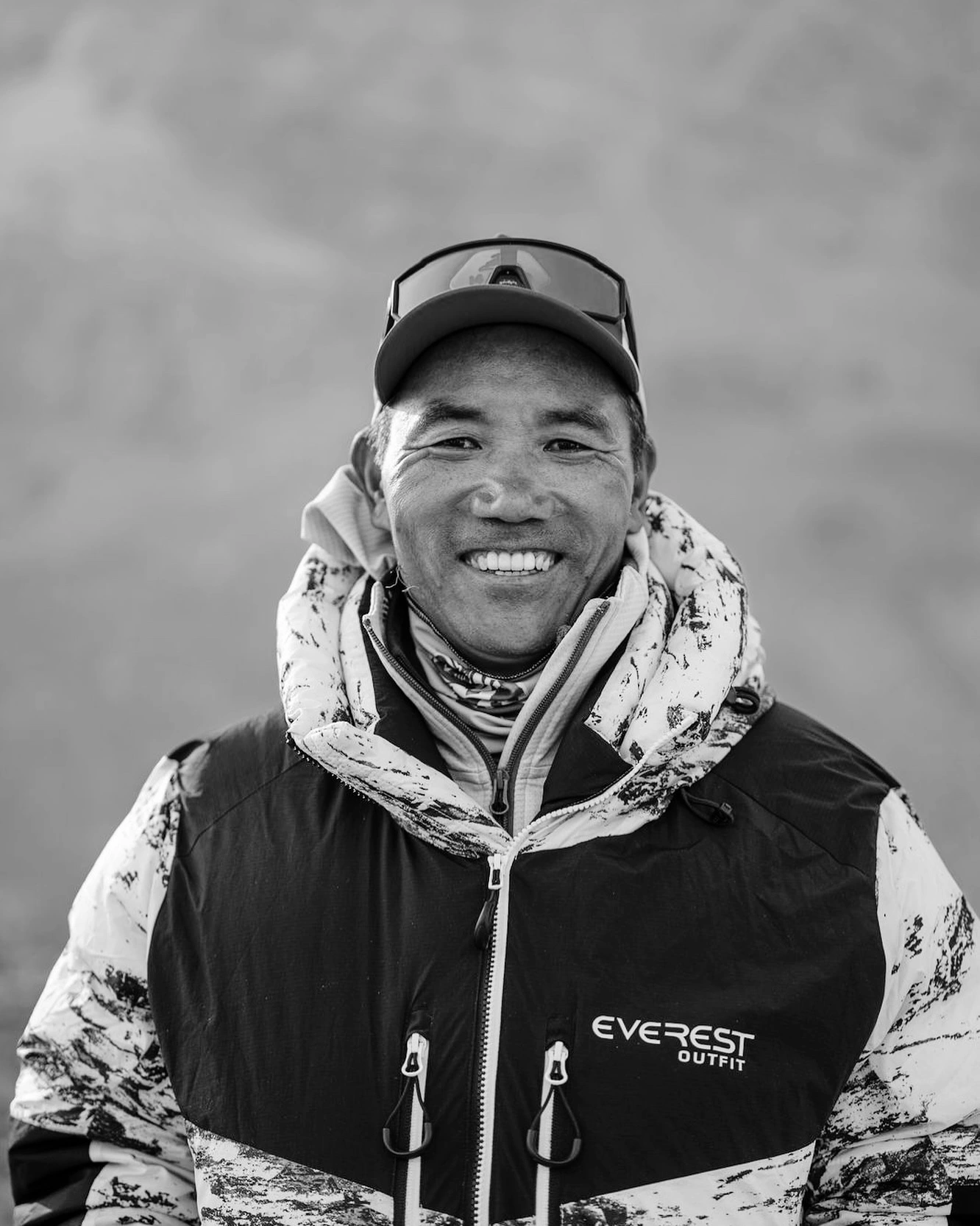
Kami Rita Sherpa
How dangerous is the work, and how are Sherpas paid?
The work is genuinely dangerous, and the pay, though good for Nepal, is hard-earned. This is the honest side of the Sherpa climbing story, and it matters.
Everest has taken a heavy toll on the people who make it climbable. Through the end of 2025, at least 131 hired mountain workers had died on the peak, the great majority of them Sherpa. That is about 39% of all Everest deaths, per the Himalayan Database (Alan Arnette). The worst single day came on 18 April 2014, when an avalanche in the Khumbu Icefall killed 16 Nepali guides, most of them Sherpa. So that tragedy pushed the industry toward better pay and insurance.
The good news is that the trend is improving. Better ropes, forecasting, and oxygen systems have cut the risk. So the 2025 season saw 5 deaths in total, down from 18 in 2023.
The money reflects real risk. A climbing Sherpa on Everest can earn several thousand dollars in one season, far more than most jobs in Nepal, with summit bonuses on top (Alan Arnette). Elite, internationally certified guides earn the most. Still, the base pay was long criticized as too low for the danger, which is part of what the 2014 reforms addressed.
What about life expectancy? There is no separate figure for Sherpas as a people. As Nepali citizens, their life expectancy tracks the national average of about 70 years. So the extra risk is occupational. And it falls on the small number who work high on the peaks, not on the wider Sherpa community of farmers, traders, lodge owners, and trekking guides.
How does the Sherpa naming system work?
Many Sherpas are named after the day of the week they were born. This surprises a lot of trekkers, and it explains why you meet so many people who seem to share a name. It is not a coincidence. It is a system.
| Sherpa name | Day of birth |
|---|---|
| Nyima | Sunday |
| Dawa | Monday |
| Mingma | Tuesday |
| Lhakpa | Wednesday |
| Phurba | Thursday |
| Pasang | Friday |
| Pemba | Saturday |
So a man named Dawa was likely born on a Monday. Families then add a second name to tell people apart, like Dawa Tenzing or Mingma Gyalu. And because Sherpa is both the ethnicity and the shared surname, most Sherpas carry “Sherpa” as their last name. Once you know this, the trail names finally make sense.
What are the main Sherpa festivals?
Losar, Dumji, and Mani Rimdu anchor the Sherpa year. Each one is worth timing a trek around if you can.
- Losar is the Tibetan and Sherpa new year, usually in February. Families gather, homes are cleaned and blessed, and the celebration runs for days.
- Dumji is a summer festival that honors the birth of Guru Rinpoche, the saint who brought Buddhism to the region. Villages host masked dances and shared feasts.
- Mani Rimdu is the most famous for visitors. Held in autumn at Tengboche and other monasteries, it fills the courtyard with masked monks performing sacred dances, and the public days often fall in peak trekking season.
These are living festivals, not shows for tourists. So if your trek lands on one, watch quietly and follow your guide’s lead. And treat it as the privilege it is.
What do the Sherpa eat and wear?
The food is built for cold and altitude, and the dress is built for both as well. The Sherpa kitchen runs on what grows high and stores well.
The potato is the staple, brought to the region generations ago and now central to almost every meal. Also, you will meet shyakpa, a hearty stew, and tsampa, roasted barley flour eaten many ways. Then there is butter tea, salty and warming, the drink of the high country. And chang, a local barley beer, appears at celebrations. So on any Everest trek you will share these tables, especially in Namche Bazaar, the trading hub of the Khumbu.
The traditional dress is Tibetan in style. Both men and women wear a long wraparound robe, called a chuba or bakhu, over layers, tied at the waist and made for warmth. On festival days you see the finest versions, rich in color. But on ordinary days, modern layers do the same job on the trail, worn by the same people who guide you up it.

How do you respect Sherpa culture on a trek?
Treat the Khumbu as a home and a holy place, because it is both. This is the part guidebooks skip, and it is the part that matters most to the people who live there. A few habits go a long way.
- Walk clockwise around mani stones, chortens, and prayer wheels, and pass them on your left.
- Ask before photographing people, monks, or inside monasteries. Many moments are not for cameras.
- Dress modestly in villages and religious sites. Cover shoulders and knees near a gompa.
- Support local hands. Stay in Sherpa lodges, eat local food, and hire local guides and porters at fair wages.
- Carry out your waste and refill water rather than buying bottles. The mountains are sacred and fragile.
None of this is complicated. It is simply the difference between passing through and being welcome. And in our experience, the trekkers who travel this way come home with the richest memories, because the doors open wider when you show respect.
FAQs
What does the word Sherpa mean?
It comes from two Tibetan words, shar meaning east and pa meaning people, so Sherpa means “people from the east.” It points to their origin in eastern Tibet, in the region of Kham.
Are all mountain guides Sherpas?
No. With a capital S, Sherpa is a specific ethnic group. The lowercase word “sherpa” has come to mean any high-altitude porter or guide in English, but many of those workers belong to other Nepali groups entirely.
How many Sherpas are there?
About 250,000 live in Nepal, roughly 1% of the population, per the 2023 census. Smaller Sherpa communities also live in India, Bhutan, China, and the United States.
What religion do Sherpas follow?
Almost all Sherpas practice Nyingma Buddhism, the oldest school of Tibetan Buddhism. Their monasteries, prayer flags, mani stones, and festivals all flow from that faith.
Why are Sherpas better at altitude than trekkers?
Their bodies are genetically adapted to thin air. Research shows Sherpa muscles use oxygen more efficiently than lowlanders’ do, an advantage built over many generations on the high plateau.
Do all Sherpas have the last name Sherpa?
Most do, because Sherpa is both the name of the ethnic group and the shared surname. So the same word can mean the people, the family name, and, confusingly, a mountain worker of any background. Some families also use clan names alongside it.
Are Sherpa and Tamang the same people?
No. The Sherpa and the Tamang are separate ethnic groups, though both are Buddhist hill peoples with Tibetan roots. They have different languages, homelands, and histories.
Do Sherpas speak English?
Many do, especially those working in trekking and tourism. Nepal’s licensed guides train in languages as part of their qualification, and English is widely used in Khumbu lodges and trekking offices. At home, Sherpas speak Sherpa, a Tibetic language, and most also speak Nepali.
Do Sherpas use oxygen on Everest?
Yes, almost all of them do high on the mountain. About 95% of summit climbers use bottled oxygen, and Sherpas usually put their masks on near the top camp. They are better adapted than lowlanders, but not immune to the death zone.
How much do Sherpas get paid on Everest?
A climbing Sherpa can earn several thousand dollars in a single season, far more than most work in Nepal, with summit bonuses on top. Elite certified guides earn the most. The pay reflects real danger, and it rose after the 2014 reforms.
How many Sherpas have died on Everest?
Through the end of 2025, at least 131 hired mountain workers had died on Everest, most of them Sherpa, about 39% of all deaths on the peak (Himalayan Database). The deadliest single event was the 2014 Khumbu Icefall avalanche, which killed 16 Nepali guides, most of them Sherpa.
How long do Sherpas live?
There is no separate life expectancy for Sherpas as a people. As Nepali citizens, they track the national average of about 70 years. The extra danger is occupational and affects only the few who climb high on the peaks.
Who has climbed Everest the most times?
Kami Rita Sherpa, known as “Everest Man,” holds the record with 32 summits as of May 2026. He was born in Thame, the same Khumbu village as Tenzing Norgay.
Do Sherpas really get named after days of the week?
Often, yes. Names like Nyima, Dawa, Mingma, Lhakpa, Phurba, Pasang, and Pemba each match a day of birth, from Sunday through Saturday. Families add a second name to tell people apart.
Can I visit Sherpa villages on a trek?
Yes. Every classic Everest trek passes through Sherpa villages like Namche Bazaar, Khumjung, and Tengboche. You sleep in Sherpa lodges and share Sherpa food the whole way up.
Accuracy note: population, origin, religion, and indigenous status verified against Wikipedia’s Sherpa people article (2023 Nepal census, retrieved 2026-07-11), Wikipedia’s Janajati article, and Encyclopaedia Britannica; Everest fatality figures (339 total deaths and 131 hired-worker deaths, about 39% of the total, through December 2025; 2025 season total of 5 deaths) from the Himalayan Database via Alan Arnette’s Everest by the Numbers, 2026 edition; altitude-adaptation facts from the 2017 PNAS study “Metabolic basis to Sherpa altitude adaptation,” summarized by NPR; the first oxygen-free Everest ascent (Messner and Habeler, 8 May 1978), Kami Rita’s 32nd summit (17 May 2026), and Lhakpa Sherpa’s record from Guinness World Records; climbing-Sherpa pay context from Alan Arnette’s 2025 Everest cost report; cultural, pay, and etiquette details reviewed by Yubaraj Katel, government-licensed trekking guide (Licence No. 19827) with 10 years of experience leading treks in the Everest region.

Ready to See It for Yourself?
Updated: 12 Jul, 2026
8 min
Tengboche Monastery: History, Mani Rimdu & How to Visit
Tengboche Monastery is the largest gompa in the Everest region at about 3,860 m. Its history,...
Updated: 6 Jul, 2026
9 min
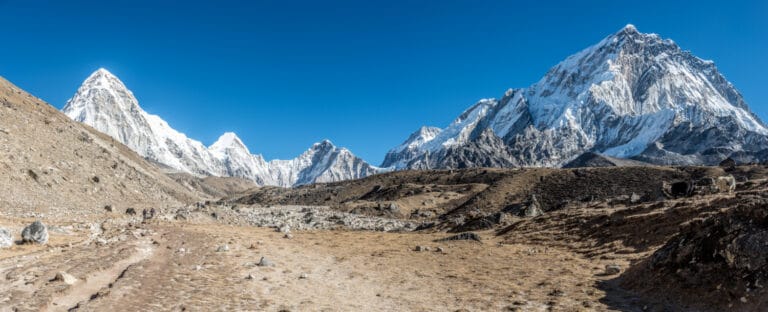
Everest Base Camp Trek Cost in 2026: Full Breakdown
Quick answer: A guided Everest Base Camp Trek’s biggest single cost is the round-trip Lukla flight,...
Updated: 20 Jul, 2026
15 min
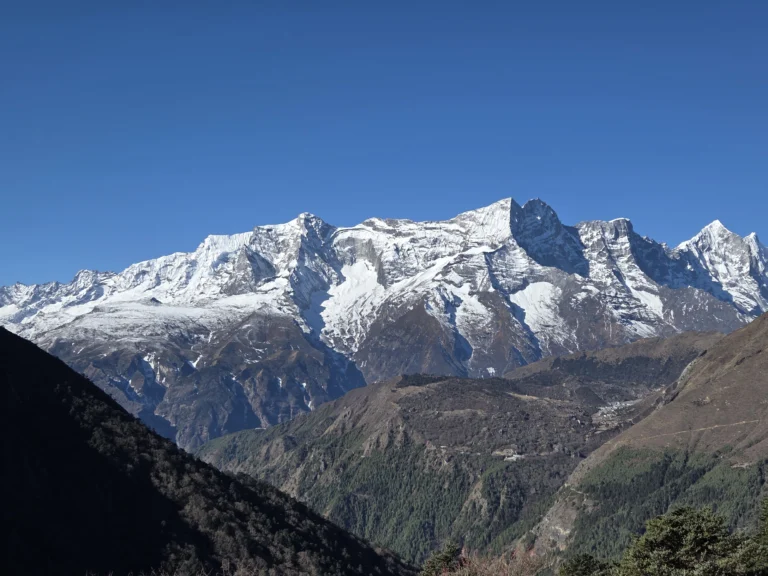
Everest Region Treks: Routes, Cost & Best Time (2026 Guide)
Quick answer: The Everest region, or Khumbu, is home to Everest Base Camp, the Gokyo Lakes,...