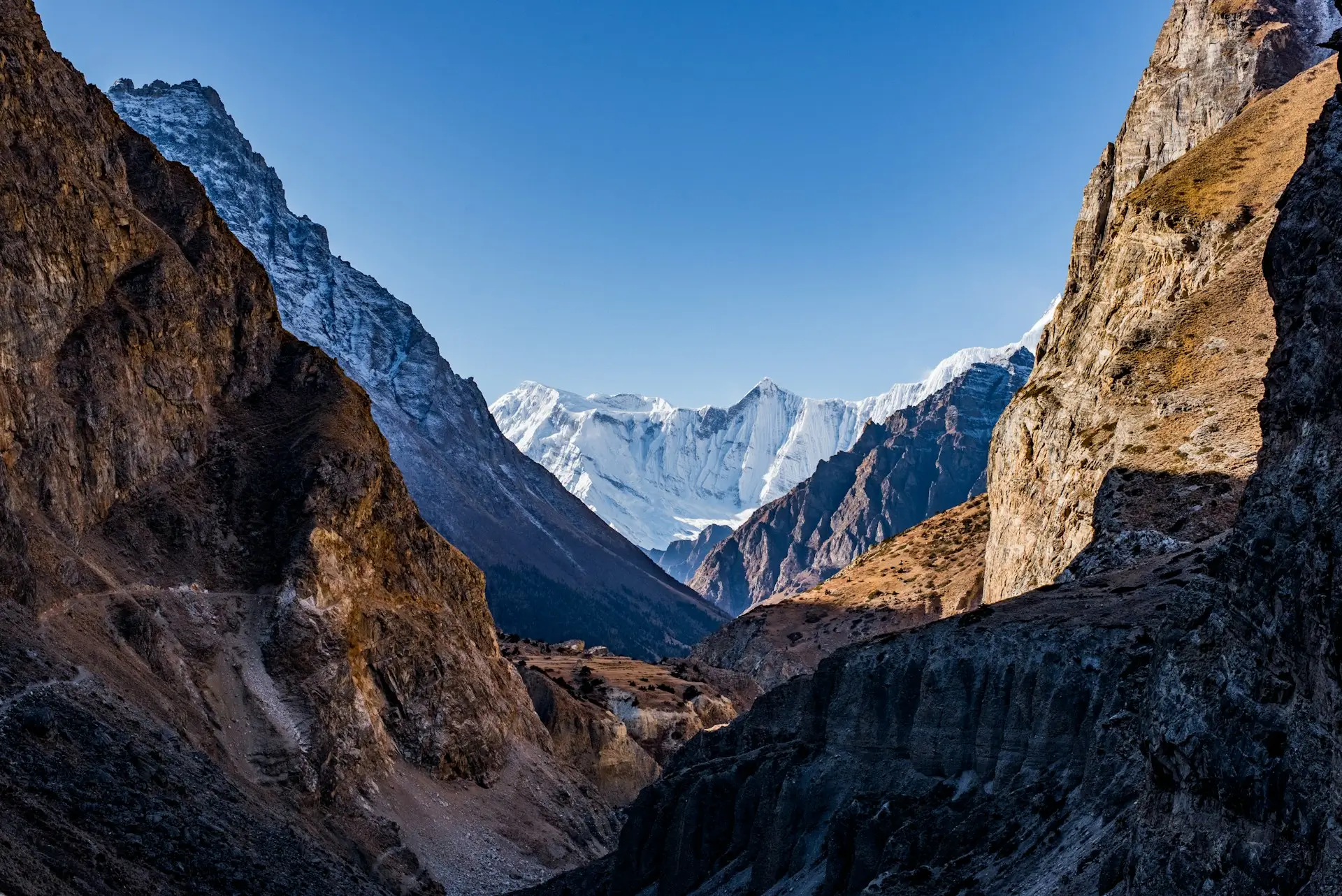
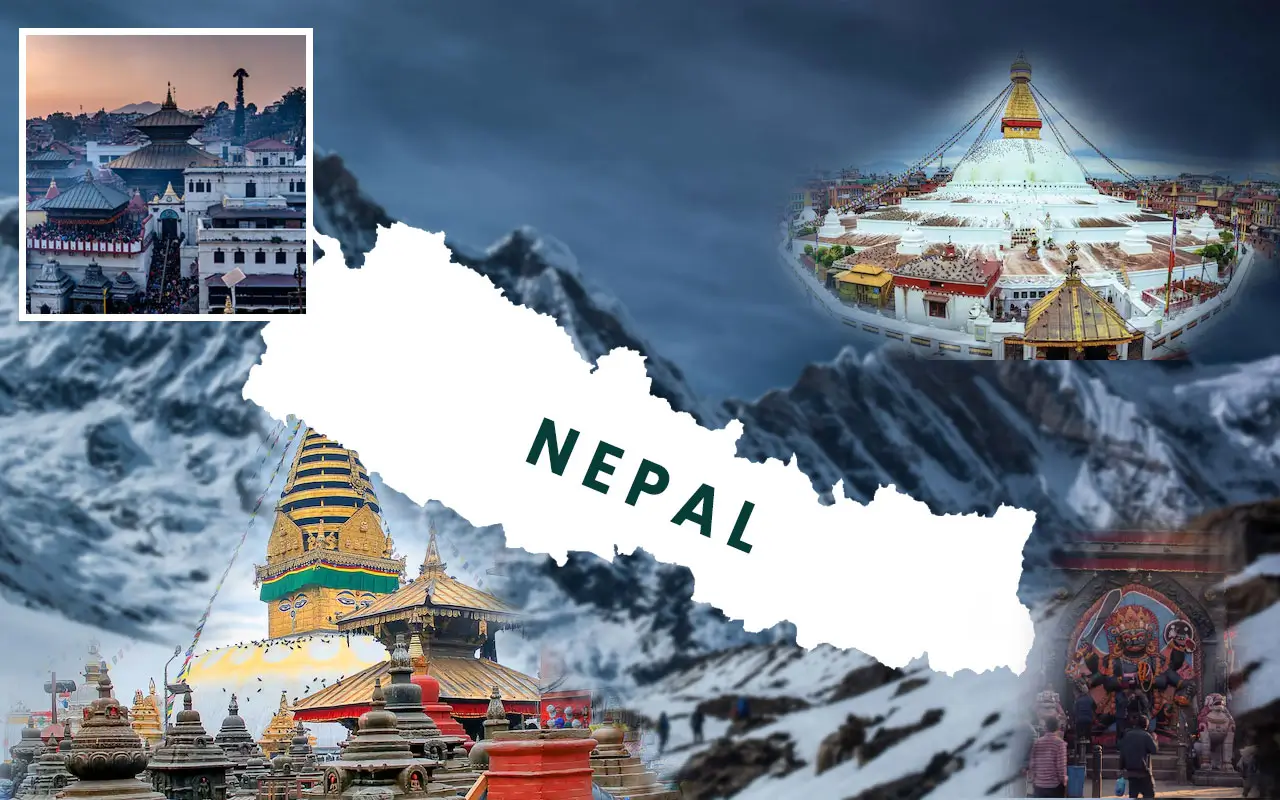
Quick answer: To plan a trip to Nepal, pick your trip length first: 7 days covers Kathmandu, Pokhara, and a taste of the mountains, while 10 to 14 days adds a proper trek or a safari. Come in October to November or March to May, get your visa on arrival or online, budget around US$50 to $100 a day, and book a licensed guide for any trek. The rest is detail, and this guide walks you through all of it.
I plan trips to Nepal for a living, from an office in Lalitpur, so let me save you the mistakes I watch first-timers make. People overpack the days and underpack the layers. They budget for the wrong things. They pick the wrong month, or the wrong trek for their fitness. None of it is hard to get right. So here is the whole process, in the order I would walk a friend through it, with real itineraries and honest numbers.
Key Takeaways
- Start with trip length. 7 days for a first taste, 10 to 14 for a trek plus culture, three weeks to see it all.
- Best months are October to November and March to May. Clear skies, comfortable days.
- Budget roughly US$50 to $100 a day for comfortable mid-range travel. Nepal is affordable.
- The visa is easy: on arrival at Kathmandu, or online in advance.
- A licensed guide is required for treks in the national parks, and worth it anyway.
- Nepal is calm and open in 2026, with tourism growing after the 2025 unrest ended.
Step 1: Decide how many days you have
This one choice shapes everything else, so start here. Now, Nepal rewards time, but it also delivers on a short trip if you plan it right. Here is how the common trip lengths actually feel on the ground.
| Trip length | Best for | What fits |
|---|---|---|
| 4 to 5 days | A first taste, or a stopover | Kathmandu, Pokhara, a mountain flight |
| 7 days | Culture plus one short hike | Kathmandu, a Poon Hill or Ghandruk trek, Pokhara |
| 10 days | The classic first trip | Kathmandu, a short trek, Pokhara, a Chitwan safari |
| 14 days | A proper trek plus culture | Kathmandu, an Everest or Annapurna trek, buffer days |
| 21 days | The full sweep | Two regions, or one big trek plus the lowlands |
So if you only have a week, do not try to squeeze in Everest Base Camp; you will spend the whole trip rushing and still miss the acclimatization your body needs. Instead, match the ambition to the days, and Nepal never disappoints.
Step 2: Sample Nepal itineraries by trip length
Here are the itineraries I actually build for first-timers. So treat them as skeletons. We flex them around your interests, your fitness, and the season.
Nepal itinerary: 5 days
First, a short and rich taste of the country, with no trekking required.
- Day 1: Arrive in Kathmandu. Settle into Thamel, the traveler’s quarter.
- Day 2: Kathmandu Valley heritage: Durbar Square, Swayambhunath, and Boudhanath stupa.
- Day 3: Drive or fly to Pokhara, the lakeside town below the Annapurnas.
- Day 4: Sunrise at Sarangkot, then boating on Phewa Lake, or a paraglide.
- Day 5: Fly back to Kathmandu and out. Add a scenic Everest flight if time allows.
Nepal itinerary: 7 days
Next, culture plus your first Himalayan hike, the most popular first trip.
- Days 1 to 2: Kathmandu heritage sites and old Bhaktapur.
- Day 3: Drive to Pokhara, overnight.
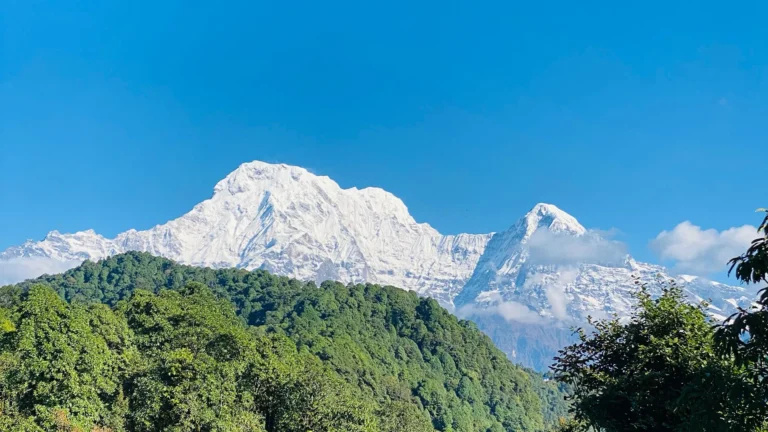
- Days 4 to 6: The short Ghorepani Poon Hill trek, with its famous sunrise over Annapurna and Dhaulagiri.
- Day 7: Return to Pokhara and fly to Kathmandu.
Nepal itinerary: 10 days
Then the balanced classic: mountains, culture, and jungle.
- Days 1 to 2: Kathmandu Valley.
- Days 3 to 6: A short Annapurna-area trek, Poon Hill or Mardi Himal.
- Day 7: Relax in Pokhara.
- Days 8 to 9: A Chitwan jungle safari, rhinos and maybe a tiger.
- Day 10: Return and depart.
Nepal itinerary: 14 days
Finally, enough time for a real trek and the culture around it.
- Days 1 to 2: Kathmandu, plus permit and gear prep.
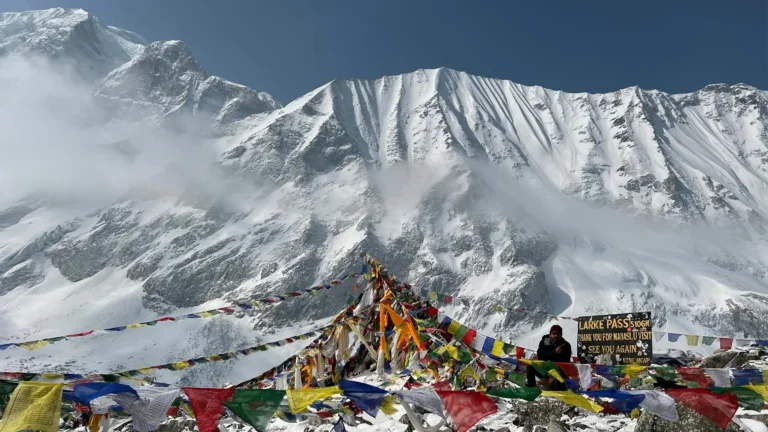
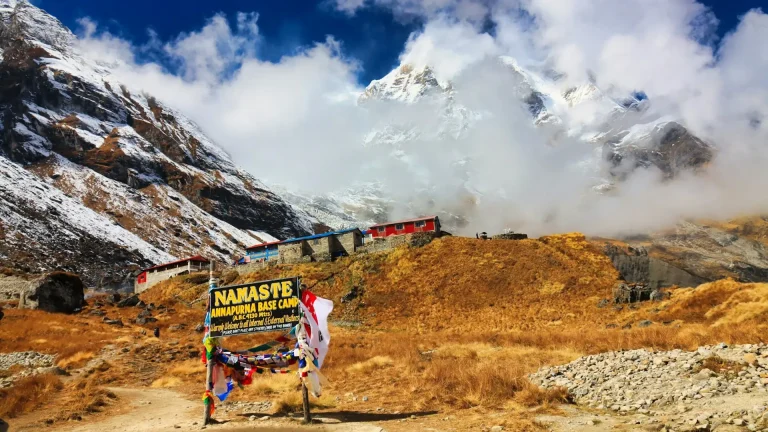
- Days 3 to 12: A flagship trek. Most first-timers choose the Everest Base Camp Trek or the gentler Annapurna Base Camp.
- Day 13: Buffer day, sacred against flight delays.
- Day 14: Fly home.
And notice the buffer day on the two-week plan. That single day, held back against a delayed mountain flight, has saved more trips than any other piece of planning I know.

Step 3: How many days in Nepal do you really need?
Seven days is the honest minimum for a satisfying first trip, and ten to fourteen is the sweet spot. After all, a week lets you see Kathmandu, reach the mountains for a short trek or a scenic flight, and unwind in Pokhara without feeling rushed.
But if your heart is set on a big trek like Everest Base Camp, you need the full two weeks, because the route is built around slow ascent and rest days, not raw distance. And if you want the whole country, its high peaks, its jungle, and its old cities, give it three weeks and thank yourself later. In short, more days mean a slower, richer trip, and Nepal is a country that punishes rushing.
Step 4: Choose the right time to visit
Autumn (October to November) and spring (March to May) are the two best windows. Autumn brings the clearest skies and the biggest festivals; spring brings warmth and blooming hillsides. Meanwhile, winter is cold up high but clear and quiet in the cities and the lowlands. The summer monsoon, June to September, is green, cheap, and wet.
That is the short version. For the full month-by-month breakdown, including weather, crowds, and the festival calendar, see our best time to visit Nepal guide.
Step 5: Plan your budget
Most travelers spend around US$50 to $100 a day for comfortable mid-range travel, and Nepal is genuinely affordable. Still, budget travelers get by on far less. And the big costs are usually flights, treks, and any helicopter tours, not the daily spend.
So to answer the questions I hear most: yes, the US dollar goes a long way here. For example, a good meal costs a few dollars, a comfortable hotel room in Kathmandu runs US$25 to $60, and US$1,000 covers a lot of Nepal once you are on the ground. A guided two-week trek, with permits, guide, lodges, and food, is the main line item. For the full picture, including what a trek really costs and where the money goes, see our Nepal trekking cost guide.
Here is one tip that saves real money: your dates matter. October is peak, and prices climb with demand, so shifting to late November or February buys you most of the experience for less.
Step 6: Sort your visa
Most travelers get a visa on arrival at Kathmandu airport, or apply online in advance. In practice, it costs US$30 for 15 days, US$50 for 30 days, or US$125 for 90 days, per Nepal’s Department of Immigration. Indian citizens need no visa at all.
So that is the essential fact. The full process, the eVisa steps, the nationality rules, the extension system, and what to carry, lives in our Nepal visa on arrival guide.
Step 7: Is it safe, and what should you know?
Yes, Nepal is safe to visit in 2026. In short, the political unrest of September 2025 ended with an election and a new government, the streets are calm, and tourism is growing again. Violent crime against tourists is rare. The real risks are road travel, altitude, and monsoon weather, all manageable with sensible planning.
I have written the honest, current picture, what happened, what the advisories say now, and how travelers actually stay safe, in our is Nepal safe to visit guide. Read it if the headlines gave you pause; it should settle the question.
Step 8: Book flights and get around
Fly into Kathmandu’s Tribhuvan International Airport, Nepal’s busiest international gateway. Nepal now also welcomes international flights at its newer airports in Pokhara and Bhairahawa, a sign of the country’s fast-growing connectivity, and most long-haul travelers still route through Kathmandu. Usually, routes connect through a Gulf hub or an Indian city. Book three to four months ahead for the best fares in peak season.
Then, inside Nepal, you have three ways to move:
- Domestic flights save days on long routes, like Kathmandu to Pokhara, or the famous flight into Lukla for Everest. They go in the morning and can be delayed by weather, so keep that buffer day.
- Tourist buses are cheap and comfortable enough for the Kathmandu to Pokhara run, about seven hours.
- Private vehicles with a driver give you flexibility for family trips and sightseeing, at a fair daily rate.
So we arrange all of this on a package, and you land and simply start your trip.
Can you travel to Nepal while pregnant?
Nepal’s cities and lowlands are fine for most pregnant travelers with a doctor’s clearance, but high-altitude trekking is generally not recommended. This question comes up often, and it deserves an honest, careful answer rather than a brochure one.
Here, the issue is altitude, not Nepal. Kathmandu sits at 1,400 m and Pokhara lower still, and a cultural trip through the valleys, with a Chitwan safari and lakeside days, poses no special altitude concern. But trekking routes climb high. And health authorities, including the US CDC, generally advise pregnant travelers to avoid sleeping at very high altitude, and treks like Everest Base Camp (5,364 m) or the high passes are best saved for another year.
So the honest guidance: this is not medical advice, and you must talk to your own doctor first. That said, a gentle, low-altitude Nepal trip, the cities, Pokhara, the jungle, and a scenic mountain flight instead of a trek, is very doable while pregnant. We are happy to build exactly that kind of soft itinerary. For the full picture on how altitude affects the body, see our altitude sickness guide.
What permits and guides do you need?
For any trek, you need the area permit and a licensed guide; for the cities, you need nothing. Since 2023, Nepal has required independent trekkers to hire a licensed guide in the national parks, per the Nepal Tourism Board. Sightseeing in Kathmandu, Pokhara, and Chitwan needs no permit at all, beyond small entry fees at heritage sites.
So on a Spade Himalaya trip we handle every permit for you, so this becomes one less thing to think about. For the full rulebook, every permit, fee, and where each applies, see our Nepal trekking permits and rules guide.
What to pack, and health basics
Pack in layers, bring a real insurance policy, and see a doctor about vaccinations before you fly. After all, Nepal moves through climate zones fast, so layering beats bulk. Our Nepal packing list covers the full kit, season by season.
Two health points matter for every trip:
- Vaccinations. Talk to a travel clinic four to six weeks before you fly. Routine vaccines plus hepatitis A and typhoid are commonly recommended for Nepal.
- Travel insurance. This is not optional for a trek. Your policy must cover trekking to your highest altitude and helicopter evacuation, which can cost thousands of dollars upfront without it.
How to book: package or independent?
A good operator turns a complicated plan into a simple one, which is the entire point of this guide. Of course, you can absolutely travel Nepal independently, and many do. But the permits, the guide rule, the domestic flights, the acclimatization schedule, and the buffer days add up to real logistics, and getting them wrong costs time you flew a long way to spend.
So that is what we do. We build the itinerary around your days and your interests, arrange the permits and flights and licensed guides, and keep the plan flexible for weather. If you want the whole country made easy, that is the offer. And if you just want to plan it yourself, every guide linked above is free and written to be used.
FAQs
How many days do you need for a trip to Nepal?
Seven days is a satisfying minimum, covering Kathmandu, Pokhara, and a short trek or mountain flight. Ten to fourteen days is the sweet spot for a proper trek plus culture. Three weeks lets you see the mountains, the jungle, and the old cities without rushing.
How much does a trip to Nepal cost?
Comfortable mid-range travel runs about US$50 to $100 per person per day on the ground, and budget travelers spend far less. The big costs are international flights, guided treks, and any helicopter tours. Our Nepal trekking cost guide breaks down a full trek.
Is Nepal cheap or expensive?
Nepal is one of Asia’s most affordable destinations. Daily costs, food, local transport, and simple lodging, are low. The dollar, euro, and pound all stretch far here, which is a big part of the country’s appeal.
How far does US$100 go in Nepal?
A long way. On US$100 you could cover a comfortable hotel night, all your meals, local transport, and entry fees, with money to spare. Only flights, treks, and helicopter tours sit outside that daily range.
Is 7 days enough for Nepal?
Yes, for a first visit. A well-planned week runs two days in Kathmandu, a short trek or scenic flight, and time in Pokhara. Trekkers wanting Everest Base Camp or a long circuit should plan two weeks instead.
What is the best month to visit Nepal?
October, for the clearest skies and the big festival season, though it is also the busiest. November is nearly as good and quieter. March to May is the warm second window. See our best time to visit Nepal guide for the month-by-month detail.
Do you need a visa to visit Nepal?
Most nationalities get a visa on arrival at Kathmandu, or apply online first, at US$30 to $125 depending on length. Indian citizens need no visa. Full rules are in our Nepal visa guide.
Is it safe to travel to Nepal right now?
Yes. The 2025 unrest ended with a peaceful election and a new government, and daily life is normal. Tourist arrivals are up in 2026. Our is Nepal safe guide covers the current advisories and real risks in full.
Do you need a guide to trek in Nepal?
For national park and conservation area treks, yes. Nepal requires a licensed guide on these trails, and we would recommend one regardless, because a guide manages your pace, watches the weather, and handles the permit checkposts.
Can you combine Nepal with Bhutan or Tibet?
Yes, and the seasons line up, since all three share the Himalayan calendar. Autumn and spring suit the whole region. You fly into Kathmandu and connect onward, a popular way to see more of the high Himalaya in one trip.
What is the best way to plan a Nepal trip?
Decide your trip length first, pick your season, then choose a trek or tour that matches your fitness and interests. Sort the visa, insurance, and permits, and keep a buffer day for weather. A good local operator handles the logistics so you can focus on the trip.
Accuracy note: visa fees verified on Nepal’s Department of Immigration (US$30/50/125) and the mandatory-guide rule on the Nepal Tourism Board (both retrieved 2026-07-14); tourism-recovery context from Nepal Tourism Board statistics; altitude-in-pregnancy guidance reflects general US CDC travel-health advice and is not a substitute for your own doctor; itineraries, budgets, and logistics are Spade Himalaya’s operating experience planning trips across Nepal; reviewed by Yubaraj Katel, government-licensed trekking guide (Licence No. 19827) with 10 years of experience across Nepal’s regions.

Start Planning Your Trek
Updated: 9 Aug, 2026
15 min
Best Time to Visit Nepal: Month by Month (2026 Guide)
The best time to visit Nepal, month by month: weather, crowds, festivals, and prices, plus the...
Updated: 1 Sep, 2026
13 min
Is Nepal Safe to Visit in 2026? An Honest Local Answer
Is Nepal safe to visit in 2026? Yes, and here is the honest picture: what happened...
Updated: 6 Jul, 2026
9 min
Everest Base Camp Trek Cost in 2026: Full Breakdown
Quick answer: A guided Everest Base Camp Trek’s biggest single cost is the round-trip Lukla flight,...