Quick answer: The best time to visit Nepal is October to November, when the skies are clearest, and March to May comes a close second with warm days and blooming hillsides. Winter is quiet, cheap, and surprisingly pleasant in Kathmandu, Pokhara, and the safari lowlands. The monsoon, June to September, is the wet low season, though it has its own rewards.
Nepal does not have one best time. It has a best time for each kind of trip. The mountains want autumn or spring. The jungle safari shines in winter and spring. The festivals peak in October and November. And the crowds and prices swing hard between seasons. So this guide walks through the year month by month, with real visitor numbers, so you can pick the window that fits your trip rather than someone else’s.
Key Takeaways
- October to November is the overall best window: stable skies, sharp mountain views, and Nepal’s biggest festivals.
- March to May is the warm second window, with rhododendron blooms and the Everest climbing season.
- December to February is underrated: clear mornings, empty sights, and the year’s lowest prices.
- June to September is the monsoon: green, quiet, and cheap, with a few smart exceptions that stay dry.
- October is also the busiest month, with over 128,000 visitors in October 2025, so book early or shift a few weeks.
What is the best time to visit Nepal?
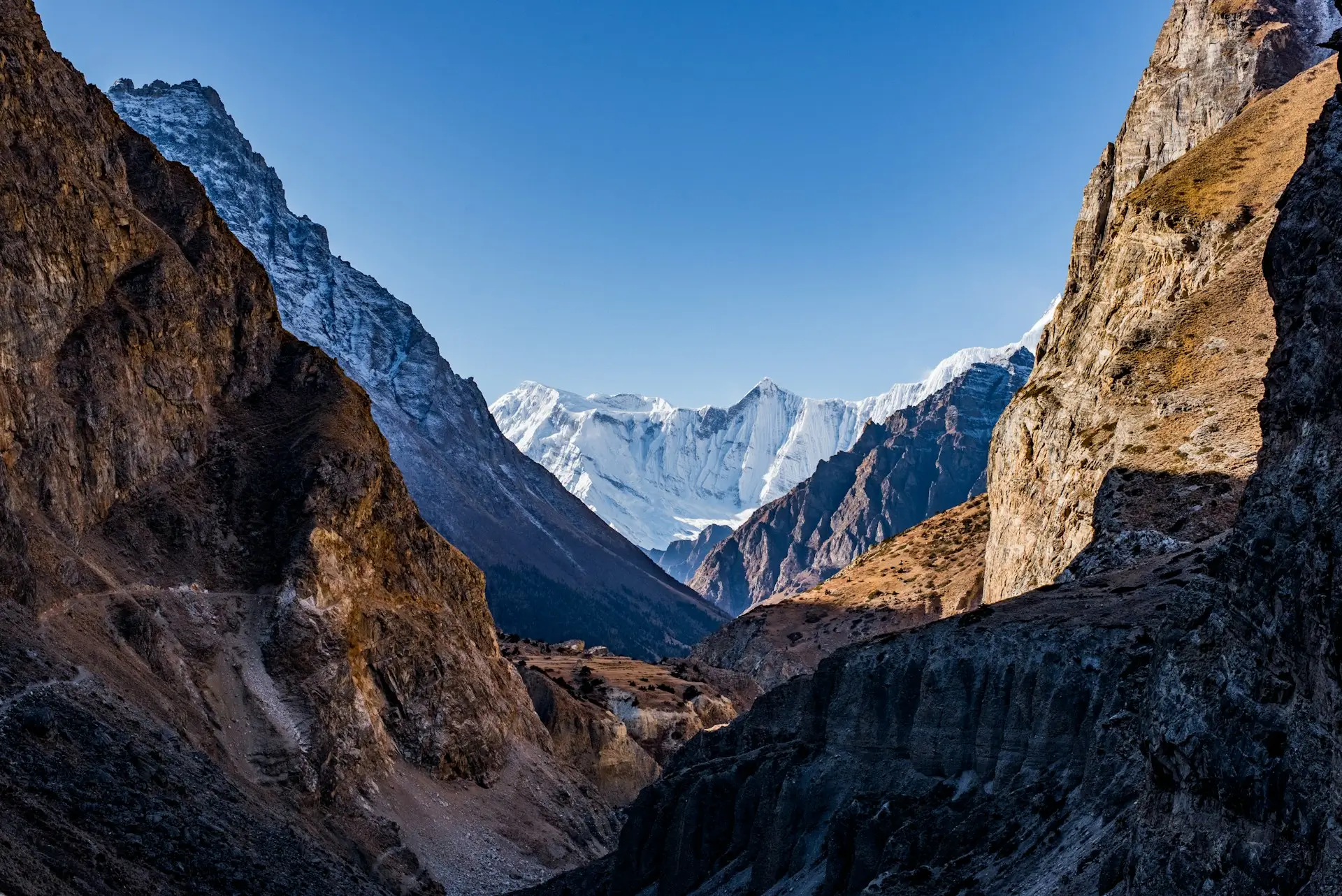
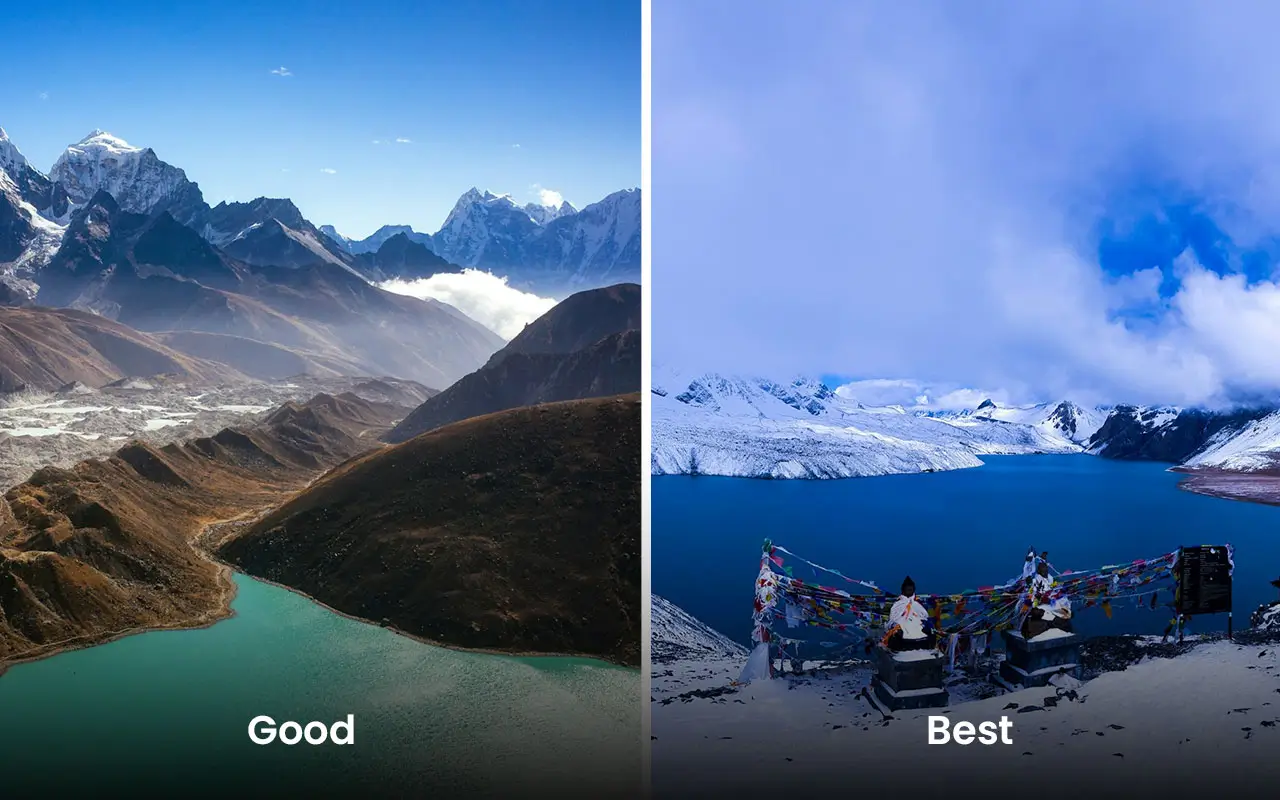
October and November, if you want the classic Nepal. After the monsoon washes the sky, the air turns crisp and the Himalayas stand sharp on the horizon for weeks. Meanwhile, daytime temperatures sit in the pleasant high teens to low 20s C in Kathmandu and Pokhara. And the country celebrates its two biggest festivals, Dashain and Tihar, in the same window.
The numbers back this up. October 2025 brought 128,443 visitors, the busiest month of the year (Nepal Tourism Board statistics). So the classic season is genuinely the best, and also genuinely the most crowded. Flights fill, the good hotels charge peak rates, and the popular viewpoints get busy at sunrise.
Spring, from March to May, is the strong second choice. Now the days run warmer, the hills below the peaks turn red with rhododendron forest, and the big mountains host their climbing expeditions. Then, by late spring, a haze builds over the valleys, so the earlier spring weeks give clearer views.
And here is the honest secret the brochures skip: Nepal works in every month. The trick is matching the month to the trip, which is what the rest of this guide does.
Nepal weather by month
Here is the whole year at a glance, with a verdict for each month. Day temperatures are for Kathmandu (1,400 m), the usual base. Also, Pokhara runs 2 to 4 degrees warmer, the Chitwan lowlands warmer still, and the high mountains far colder in every month.
| Month | Kathmandu days | What it is like | Verdict |
|---|---|---|---|
| January | 18 to 19 C | Cold nights, clear crisp mornings | Quiet and underrated |
| February | 19 to 21 C | Warming, still clear and calm | Great value |
| March | 22 to 25 C | Spring starts, rhododendrons bloom | Excellent |
| April | 26 to 28 C | Warm, busy trails, some haze | Excellent |
| May | 27 to 29 C | Hot below, pre-monsoon buildup | Good, go early |
| June | 27 to 29 C | Monsoon arrives, humid | Low season |
| July | 26 to 28 C | Wettest month, lush and green | Low season |
| August | 26 to 28 C | Heavy rain easing late | Low season |
| September | 25 to 27 C | Skies clearing, washed views | Improving fast |
| October | 23 to 25 C | Clearest skies, biggest festivals | The classic month |
| November | 20 to 22 C | Crisp, sharp views, thinning crowds | Excellent |
| December | 18 to 20 C | Cold nights, clear days, quiet | Quiet and cheap |
These are field-experience ranges from our years receiving guests, kept consistent with our seasonal tables across the site. Still, mountain weather is its own world, and our best time to trek guide covers the trails month by month.
What is each month in Nepal really like?
Here is what each month actually feels like on the ground. Use it to place your own dates.
January in Nepal
Cold nights and bright days. Here, Kathmandu wakes near freezing and warms to about 18 C by noon, with some of the clearest mountain views of the year. So it suits sightseeing, safaris, and travelers who like places to themselves.
February in Nepal
Winter loosens its grip. Now days edge past 20 C, skies stay clear, and Losar brings new-year celebrations to the high valleys. Late February is a quiet, underrated window before the spring crowds.
March in Nepal
Spring proper. Suddenly there are days in the low 20s, rhododendrons opening in the hills, and Holi splashing color through the cities. Trails and tours both wake up, so booking gets busier from here.
April in Nepal
Warm and lively. Now Kathmandu reaches the high 20s, the trekking season peaks, and Chitwan’s freshly cut grass makes wildlife easy to spot. A light haze can soften the far views by afternoon.
May in Nepal
The warmest pre-monsoon month. Here the lowlands push past 35 C, the hills stay pleasant, and Everest’s climbing teams go for the summit. Views haze over as humidity builds, so mornings matter.
June in Nepal
The monsoon arrives, usually mid-month. Then rain falls in bursts, the air is warm and heavy, and prices start their summer slide. Rain-shadow regions like Upper Mustang and Dolpo stay dry.
July in Nepal
The wettest month. Now the hills turn deep green, the rivers run high, and cloud hides the peaks most days. City culture, food, and museums carry the trip, at the year’s lowest prices.
August in Nepal
Still wet, easing late. Still, the paddies glow green and the festivals of the valley begin to stir. By the final week, the first clear mornings hint at autumn.
September in Nepal
The turn. First the rain tapers, then the air rinses clean, and Indra Jatra fills Kathmandu’s old square with chariots and masked dancers. Late September already feels like the classic season.
October in Nepal
The month everything points to. Now come days near 24 C, the year’s sharpest skies, and Dashain running through the country. It is the best of Nepal, and the busiest, so book ahead.
November in Nepal
Crisp and clear. First, Tihar lights the cities early in the month, the views stay razor sharp, and the crowds thin week by week. For many returning visitors, this is the sweet spot.
December in Nepal
Early winter. Now nights turn cold, days stay sunny near 19 C, and the sights go quiet. Mountain flights and helicopter tours shine in the crystal morning air, and hotel prices drop.
Best time to visit Kathmandu and Pokhara
October to March for Kathmandu, and October to April for Pokhara. The cities are the easy part of the plan, because both sit in the mild middle hills where no month is truly off-limits.
First, Kathmandu is at its best in the cool, clear half of the year. So from October to March, the temple squares are comfortable to walk at midday, the valley haze is at its thinnest, and the festival calendar delivers Dashain, Tihar, and Losar in turn. April and May work too, just warmer and hazier.
Meanwhile, Pokhara stretches the season a little further. The lakeside sits lower and warmer than Kathmandu, so even December afternoons feel gentle, and the Annapurna views across the water are sharpest from October to February. Then, paragliding and boating run comfortably into April. In the monsoon, Pokhara is Nepal’s rainiest city, so summer visits trade views for green hills and empty cafes.
Why Nepal has three climates at once
Because the country climbs from near sea level to the roof of the world in about 150 km. So the calendar matters less than the altitude, and this is the single most useful thing to understand before you book.
The Terai lowlands along the Indian border, home of Chitwan’s jungle, are subtropical. So winter days there are warm and perfect, while May can push past 35 C. The middle hills, holding Kathmandu and Pokhara, are mild almost all year, which is why sightseeing rarely has a bad season. And the high Himalaya runs from cool to brutal, where only altitude and snowfall set the rules.
One more pattern worth knowing: the rain shadow. A few high regions, like Upper Mustang and Dolpo, sit behind the main Himalayan wall, so the monsoon barely reaches them. While Pokhara drowns in summer rain, those valleys stay dry, which is why our Upper Dolpo Trek runs happily through months that close other trails.
Autumn (October to November): the classic season
Everything Nepal is famous for, at its best, at once. First, the post-monsoon air is the clearest of the year, so this is the season of those poster-sharp mountain panoramas. Temperatures are comfortable everywhere but the high passes. And culture peaks with it.
Then Dashain, Nepal’s biggest festival, fills two weeks of October with family gatherings, blessings, and kites over the rooftops. And Tihar follows in late October or November, when the cities glow with oil lamps and marigolds. Visiting during either is a privilege, though expect some shops and offices to close on the main days.
The one cost is company. Because this is peak season, book flights, good hotels, and popular tours well ahead. Or aim for late November, which keeps the clear skies and sheds most of the crowds.
Spring (March to May): warm days and blooming hills
The second season, and some travelers’ secret favorite. First, March opens with Holi, the festival of colors, and the warmth returns to the hills. Then the rhododendron forests below the peaks bloom red and pink through March and April. And Chitwan’s safari grass has just been cut, so wildlife spotting is at its best.
By May the lowlands turn hot and the haze thickens over the valleys. So for the sharpest views, early spring beats late spring. For gardens, warmth, and fewer crowds than October, spring is hard to fault.
Winter (December to February): the underrated window
Clear, quiet, and the cheapest time to visit Nepal. In fact, the winter sky is often as clean as autumn’s, especially in the mornings. Also, Kathmandu and Pokhara days stay mild, the temples and squares sit half empty, and hotels discount heavily. And January brings the coldest nights, near freezing in Kathmandu, yet the days remain sunny far more often than not.
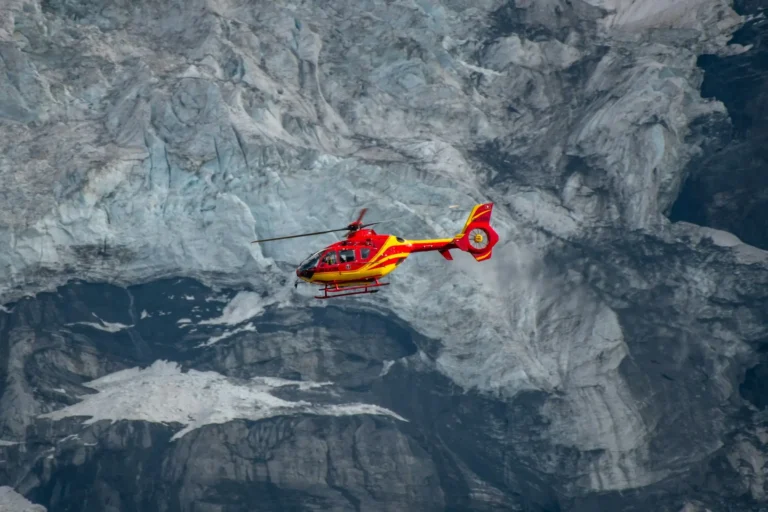
Meanwhile, winter is also prime time in the lowlands. Chitwan’s dry season concentrates wildlife near the rivers, so safaris do very well from December through February. Mountain flights and helicopter tours love the crystal winter mornings too.
Of course, the trade-off is the high country: high-altitude treks get seriously cold, and morning fog in the Terai can delay flights and drives. For a cultural trip, a safari, or a lower trek, winter may be Nepal’s best-kept secret.
Monsoon (June to September): the honest low season
Wet, green, and not for everyone, but better than its reputation. Here, rain falls most days, usually in bursts rather than all day. Then the hills turn an extraordinary green, the rice paddies fill, and the country belongs to locals again. And prices drop to their lowest, while the popular sights feel personal.
But the catch is real: mountain views hide for days, trails get muddy and leech-prone, and road travel slows. So we steer most first-time visitors to the other nine months. Still, the monsoon has its plays:
- Rain-shadow treks. Upper Mustang and Dolpo stay dry behind the Himalayan wall.
- City culture. Kathmandu’s museums, courtyards, and food scene work in any weather, and September brings Indra Jatra, the valley’s great chariot festival.
- Green-season value. Hotels at their cheapest, and the landscape at its most alive.
Interestingly, the low season is shrinking. Monsoon arrivals have grown by double digits as travelers chase quieter, cheaper travel, and August 2025 drew more than twice its 2022 visitors (same NTB statistics). The secret is getting out.
Best time by activity
Match the month to the trip, and Nepal rarely disappoints. Here is the quick matrix we use when guests ask what fits their dates.
| Activity | Best months | Notes |
|---|---|---|
| Trekking | Oct to Nov, Mar to May | Full breakdown in our trekking seasons guide |
| Everest helicopter tour | Oct to May | Flies year round; winter mornings are crystal clear |
| Chitwan jungle safari | Dec to Apr | Dry season concentrates wildlife; spring grass is cut |
| Kathmandu and Pokhara sightseeing | Oct to Mar | Mild days, clear views, festival season |
| White-water rafting | Sep to Nov | Post-monsoon rivers run full and fast |
| Paragliding in Pokhara | Oct to Apr | Stable morning air and mountain views |
| Festivals | Oct to Nov, Mar | Dashain, Tihar, and Holi lead the calendar |
Everest Base Camp Helicopter Tour 1-Day
When does Nepal celebrate? The festival calendar
Nepal celebrates more festivals than the year has weeks, so this is a planner’s shortlist, not the full calendar. Almost every community, valley, and faith keeps festivals of its own. These are the big, trip-worthy anchors, with their usual months.
| Festival | Usual month | What happens |
|---|---|---|
| Losar | February | Tibetan and Sherpa new year in the high valleys |
| Maha Shivaratri | February or March | Pilgrims and sadhus fill Pashupatinath through the night |
| Holi | March | The festival of colors, biggest in the cities |
| Bisket Jatra | April | Nepali New Year chariot festival in Bhaktapur |
| Rato Machhindranath | April to May | The valley’s longest chariot procession, through Lalitpur |
| Buddha Jayanti | May | Buddha’s birthday, lamps and processions at the stupas |
| Janai Purnima | August | Sacred-thread day, and the great pilgrimage to Gosaikunda |
| Gai Jatra | August | Kathmandu’s day of cows, satire, and remembrance |
| Teej | August or September | Women in red, fasting, and dancing at the temples |
| Indra Jatra | September | Chariots and masked dances in Kathmandu’s old square |
| Dashain | October | Nepal’s biggest festival, two weeks of family celebration |
| Tihar | October or November | The festival of lights, cities glowing with lamps |
| Chhath | October or November | Sunrise river worship across the Terai |
| Mani Rimdu | October or November | Masked monastery dances in the Everest region |
Most of these follow lunar calendars, so confirm the exact dates for your year before building a trip around one. Also, notice the August cluster. Janai Purnima sends thousands of pilgrims up to the holy lake at Gosaikunda in the middle of the monsoon, proof that even the low season has its great moments. And if you can stand in Kathmandu during Tihar or at Tengboche during Mani Rimdu, you will understand why we keep recommending the autumn window.
Best time to visit Nepal from India
October to November and February to April fit Indian travelers best, with one bonus: summer. No visa is needed for Indian citizens, as our Nepal visa guide explains, so the trip is as easy as travel abroad gets.
First, the classic windows work exactly as they do for everyone else: festival-season autumn and warm spring. Dashain and Tihar align closely with Navratri, Dussehra, and Diwali, so the holiday mood carries across the border. And the school holidays around Dussehra land right in Nepal’s best weather.
Then comes the bonus: early summer. When the plains bake in May and June, Kathmandu stays near the high 20s and Pokhara sits by its lake in the hills. So a hill escape to Nepal beats the heat without a long-haul flight. Just avoid the road crossings in the deep monsoon, when landslides can slow the highways, and prefer flying in July and August.
Can you combine Nepal with Bhutan?
Yes, and the seasons make it easy, because both countries share the same Himalayan calendar. Here, October to November and March to April are the prime windows on both sides of the border. In autumn, both countries get their clearest mountain views and big festival seasons in both countries, while spring adds warmth and blooming valleys.
So the popular combination is simple: fly into Kathmandu, spend your days in Nepal, and connect to Paro by a short flight with Himalayan views on the way. Plan the Bhutan leg around the same season you picked for Nepal, and both halves of the trip get the weather they deserve.
When is Nepal cheapest, and when is it busiest?
Cheapest in the monsoon and deep winter. Busiest in October, by a wide margin. The seasons swing hard, and knowing the swing saves real money.
First, October is the peak: 128,443 visitors in October 2025, per Nepal Tourism Board figures. So hotels, flights, and guides all price accordingly, and the best of each sells out weeks ahead. April is the spring peak, a step behind.
Meanwhile, the low seasons tell the opposite story. From June to early September, and again in deep winter, hotels discount heavily, tours have space, and the famous sights feel unhurried. Combine that with Nepal’s everyday affordability, where a comfortable mid-range day can cost less than a city lunch back home, and the off-months become genuinely attractive for flexible travelers.
Our practical rule for 2026: if your dates are fixed on October, book early. If your dates are flexible, late November and February to March buy you most of the peak experience at a fraction of the pressure.
FAQs
What is the single best month to visit Nepal?
October. It combines the clearest post-monsoon skies, comfortable temperatures, and the Dashain and Tihar festival season. It is also the busiest month, so book ahead or consider November, which is nearly as good and much quieter.
Is Nepal worth visiting?
Emphatically yes. Nepal packs the world’s highest mountains, living medieval cities, jungle safaris with rhinos and tigers, and one of the warmest travel cultures anywhere into a small, affordable country. Few places return as much per day of travel. And on the safety question, see our honest is Nepal safe to visit guide.
How many days are enough for a Nepal trip?
Seven days covers Kathmandu, Pokhara, and a taste of the mountains or a safari. Ten to fourteen days adds a proper trek or a relaxed multi-stop tour. Our how to plan a trip to Nepal guide has sample itineraries for each length. Even four or five days works for a city-and-mountain-flight highlights trip.
Is 7 days in Nepal enough?
For a first visit, yes. A good week runs two days in Kathmandu’s heritage squares, two to three in Pokhara, and a day for a mountain experience like an Everest scenic flight or a short hill hike. Trekkers should plan longer.
Is Nepal expensive to visit?
No, Nepal is one of Asia’s most affordable destinations. Comfortable mid-range travel commonly runs US$50 to $100 per day, and budget travelers manage on far less. The big-ticket items are flights, treks, and helicopter tours rather than daily costs.
What is the hottest month in Nepal?
May and early June, just before the monsoon. The Terai lowlands can pass 35 C, and Kathmandu reaches the high 20s. The high mountains stay cool or cold in every month.
What is the coldest month?
January. Kathmandu nights drop near freezing while days stay mild and sunny. The high Himalaya is in deep winter, with severe cold above 4,000 m.
Which is better, Kathmandu or Pokhara?
They are different trips. Kathmandu is the cultural deep end: temples, palaces, and living history at every turn. Pokhara is the lakeside base for the Annapurnas: calmer, greener, and built for mountain views. The classic answer is both, in that order.
Can you visit Nepal during the monsoon?
Yes, with the right expectations. Cities, culture, and rain-shadow regions like Upper Mustang work well, prices hit their lowest, and the hills turn brilliantly green. Mountain views and muddy trails are the trade-off.
When is the best time for Everest Base Camp?
October to November and March to May, the same prime windows. The full month-by-month picture, including flight reliability and crowds, is in our best time to trek Everest Base Camp guide.
Does it snow in Kathmandu?
Almost never. Kathmandu sits at 1,400 m, below the usual snow line, and sees snowfall only a few times in a generation. For snow, look to the high trails and passes from late November through February.
Accuracy note: temperature ranges are Spade field-experience estimates from years of receiving guests, kept consistent with the seasonal tables across our guides; visitor statistics (128,443 arrivals in October 2025; monsoon arrivals more than doubling between August 2022 and August 2025) are from Nepal Tourism Board arrival data as published in its monthly statistics; festival months follow the lunar calendar and shift each year, so confirm dates before planning around them; reviewed by Yubaraj Katel, government-licensed trekking guide (Licence No. 19827) with 10 years of experience across Nepal’s regions.

Keep Planning Your Trek
Updated: 15 Jul, 2026
12 min
How to Plan a Trip to Nepal (2026): A Local’s Step-by-Step Guide
How to plan a trip to Nepal in 2026: sample itineraries by trip length, real costs,...
Updated: 6 Jul, 2026
9 min
Everest Base Camp Trek Cost in 2026: Full Breakdown
Quick answer: A guided Everest Base Camp Trek’s biggest single cost is the round-trip Lukla flight,...
Updated: 15 Jul, 2026
12 min
Annapurna Region Treks: Routes, Cost & Best Time (2026 Guide)
Quick answer: The Annapurna region, near Pokhara, has Nepal’s widest range of treks: from the easy Poon...