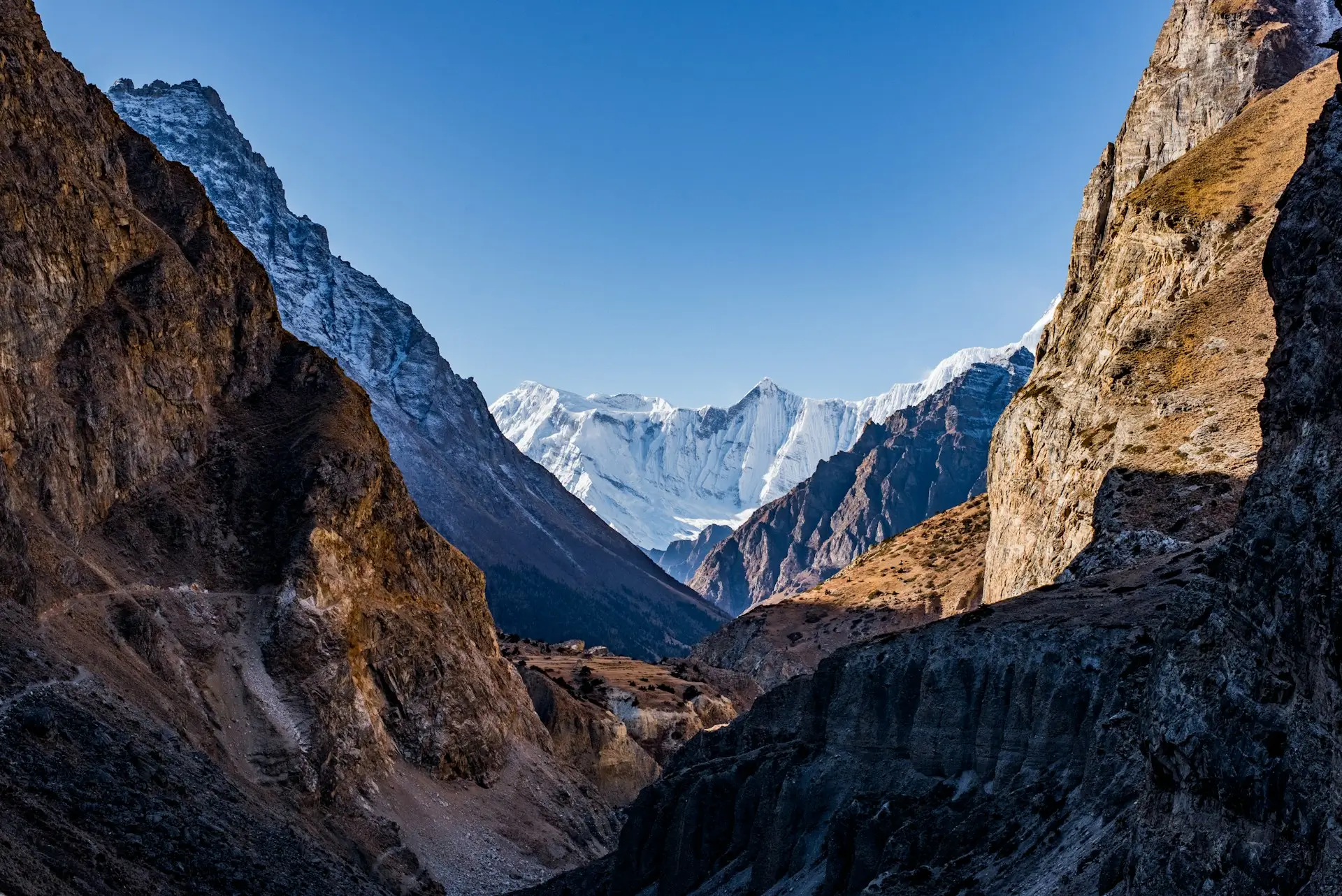
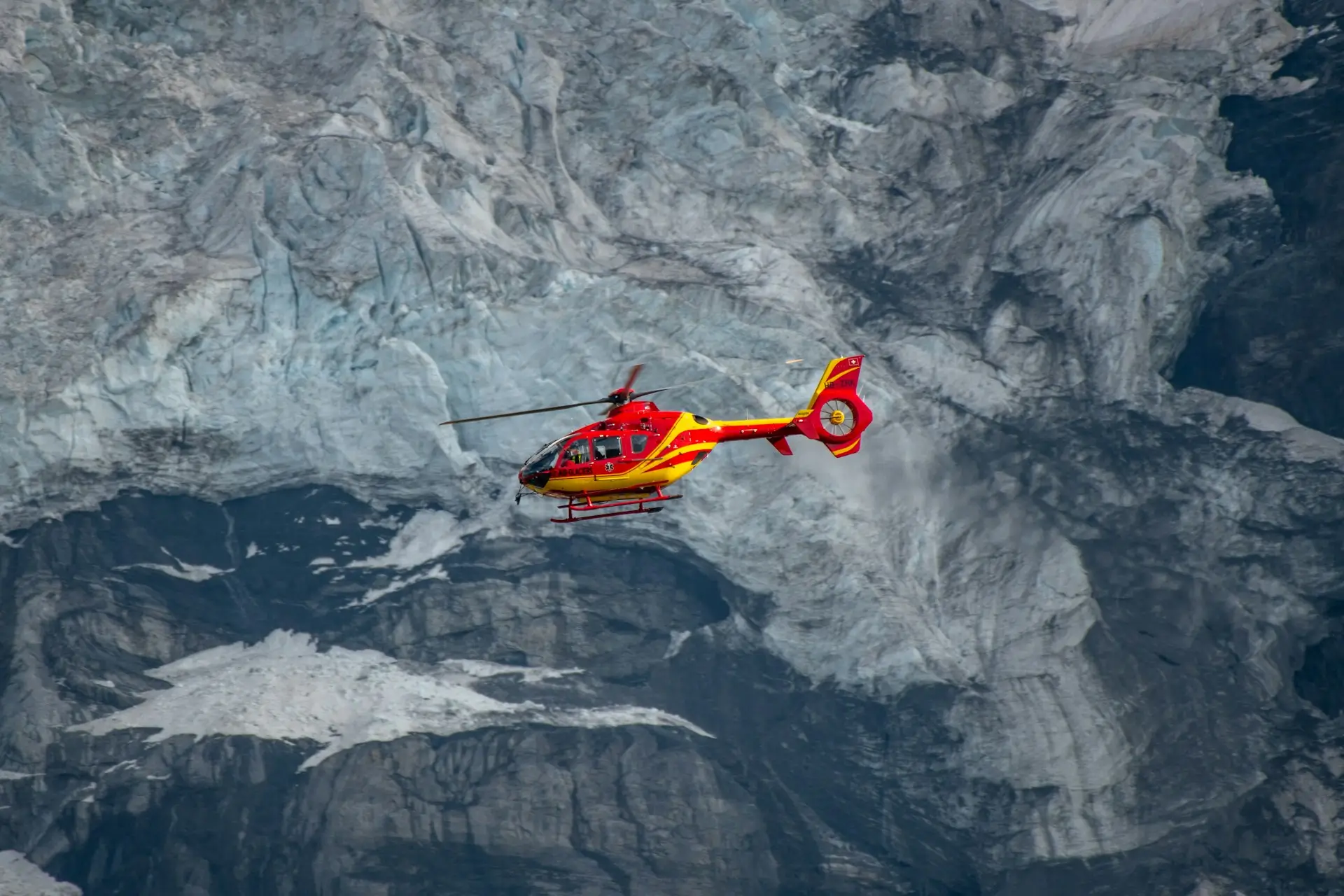
Quick answer: An Everest helicopter tour is worth it if you want a close view of Everest in one morning, with no trekking. You fly from Kathmandu, land high at Kala Patthar for the views, and stop for breakfast with the mountain in front of you. It costs roughly US$1,490 to US$1,950 per person by group size. It suits short trips, older travelers, and anyone who cannot spare two weeks on foot.
Not everyone has 12 days to walk to Everest. The helicopter tour is the answer for the rest. In a single morning, you see what trekkers earn over almost two weeks. So this guide gives you the honest version: what it costs, whether it is safe, where it actually lands, and who should choose it over the classic trek.
Key Takeaways
- The tour runs about 4 to 5 hours, round trip from Kathmandu, with no trekking.
- It costs roughly US$1,490 to US$1,950 per person, cheaper per head in a bigger group.
- It lands at Kala Patthar (5,545 m), not at Base Camp, and there is a good reason for that.
- Altitude risk is low, because your time up high is only 15 to 20 minutes.
- It suits short trips, families, older travelers, and anyone who cannot trek for two weeks.
Is the Everest helicopter tour worth it?
Yes, if your goal is the view and your limit is time. The tour trades the long trek for a single, spectacular morning. So the value depends entirely on what you want.
For many travelers, it is the only realistic way to meet Everest. A trek to Everest Base Camp needs about 12 to 14 days and real fitness. The helicopter needs one morning and almost none. So for a family on a two-week Nepal holiday, or an older traveler, or anyone short on days, it delivers the mountain without the fortnight.
It is not cheap, though. You pay for the aircraft, the fuel, and the pilots, not a teahouse bed. So the honest way to judge it is simple. If the memory of standing high with Everest in front of you is worth the price of the flight, it is worth it. Most people who take it say the same thing: they would do it again.
How much does an Everest Base Camp helicopter tour cost?
Roughly US$1,490 to US$1,950 per person, and the price drops as the group grows. The helicopter has a fixed cost, so more seats filled means a lower price each. That is the whole logic of the Everest Base Camp helicopter tour cost.
Here is how our Everest Base Camp Helicopter Tour prices it by group size.
| Group size | Price per person |
|---|---|
| 1 person | about US$1,950 |
| 2 to 4 people | about US$1,800 |
| 5 to 7 people | about US$1,700 |
| 7 or more | about US$1,490 |
So the cheapest way to fly is to fill the seats. A shared flight puts you with other travelers to split the cost. A private charter gives your group the whole helicopter. Either way, breakfast at the Hotel Everest View costs about US$40 extra, and it is worth every rupee for the view from the terrace.
Some travelers ask for the price in rupees, or whether there is a Nepali rate. The flight costs the same to run whoever is on board, so the quote is in US dollars and converts to rupees at the day’s rate. We are happy to advise Nepali and SAARC travelers on any domestic fares that apply. And you can book the Everest Base Camp helicopter tour online from abroad, then settle the balance on arrival in Kathmandu.
One honest note. Prices shift with fuel and season, so treat these as a guide and check the current rate before you book.
What is included in an Everest Base Camp helicopter tour?
The flight, the permits, the fees, and safety kit are in. Breakfast, insurance, and tips are extra. So there are few surprises, but it helps to know the split before you book.
A standard Everest Base Camp helicopter tour with landing includes:
- Hotel pickup and drop-off in Kathmandu, plus a Spade ground host at the airport.
- The shared or private helicopter flight from Kathmandu to the Everest region and back.
- The Kala Patthar landing (5,545 m), weather and weight permitting, and the Hotel Everest View stop.
- Both permits: the Sagarmatha National Park entry and the Khumbu Pasang Lhamu local fee.
- All government, landing, and airport fees, plus oxygen and a first-aid kit on board.
Not included: breakfast at the Hotel Everest View (about US$40), your travel insurance (get one that covers high-altitude activity), tips, and any cost from a weather delay. So budget a little extra for those.
Does the helicopter land at Everest Base Camp?
No, and this surprises people, so here is the truth. The helicopter lands at Kala Patthar, a ridge at 5,545 m, not at Base Camp itself.
There are two good reasons. First, you cannot actually see Mount Everest from Base Camp. The Nuptse wall and the shoulder of the mountain block it, which is why trekkers climb Kala Patthar for the real view. Second, Base Camp sits on a moving glacier, a poor and unsafe place to set a helicopter down. So Kala Patthar gives you both the safer landing and the far better view.
In practice, the flight passes right over the Base Camp area, so you still see it from the air in climbing season, tents and all. Then you land where the view of Everest is open and huge. It is the best of both, and it is deliberate, not a shortcut.
Is the Everest helicopter tour safe?
Yes, when it is flown properly, and the short time up high keeps altitude risk low. Two worries come up most: the flying and the altitude. Both are manageable.
On the flying, the Everest region sees thousands of helicopter flights every year. Licensed pilots, regular aircraft maintenance, and strict weather rules are the norm, and good operators carry emergency oxygen on board. The single biggest safety tool is patience. Flights go in the clear morning window and wait out bad weather rather than push into it. So a canceled or delayed flight is the system working, not failing.
On the altitude, the tour is actually gentler than the trek. You spend only 15 to 20 minutes at the high point, far too short for most altitude sickness to take hold. Some people still feel a brief headache or shortness of breath at Kala Patthar, which fades fast as you descend. If you have a heart or lung condition, ask your doctor first. Our altitude sickness guide explains the warning signs in full.
Everest Base Camp Helicopter Tour 1-Day
What do you actually see and do?
You fly the whole Khumbu, land for the big view, and have breakfast with Everest in front of you. Here is the shape of the morning.
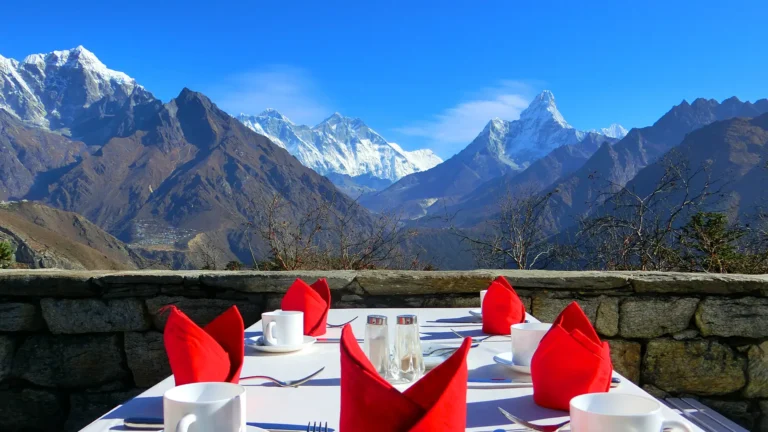
The route runs from Kathmandu up into the mountains, with a quick fuel stop near Lukla. Then you follow the trekking trail from the air, over Namche Bazaar and the ridge of Tengboche Monastery, with the peaks rising around you. Next comes the landing at Kala Patthar and the close view of Everest, Nuptse, and Lhotse. Finally, you drop to the Hotel Everest View for breakfast on the terrace, then fly back to the city.
So in one morning you cover ground that takes trekkers over a week. And you see the same giants they do, from angles no trek can offer.
Everest helicopter tour or the trek: which should you pick?
Pick the helicopter for time and ease, and the trek for the full experience. They answer different questions, so here is the honest split.
| Factor | Helicopter tour | Base Camp trek |
|---|---|---|
| Time | One morning | 12 to 14 days |
| Fitness needed | Almost none | Good, sustained |
| Cost | From about US$1,490 | Varies by package |
| The reward | The view, fast | The whole journey |
| Best for | Short trips, all ages | Trekkers with time |
So the helicopter is not a lesser trek. It is a different trip. The trek gives you the trail, the teahouses, and the slow earning of the view. The flight gives you the summit view without the fortnight. Many travelers who cannot trek are simply grateful the option exists. And some do both across different visits.
Who is the Everest helicopter tour best for?
Anyone short on time, unsure of their fitness, or traveling with a mixed group. It removes almost every barrier the trek puts up.
It suits a family with children or grandparents, since there is no walking and no acclimatization schedule. It suits business travelers with a spare morning. It suits anyone whose knees, heart, or lungs rule out two weeks at altitude, with a doctor’s blessing. And it suits trekkers who have already walked the trail and want to see it once from the sky.
There is a weight and seating limit to plan for. A helicopter carries about five passengers, with tighter weight limits on the high leg to Kala Patthar, so operators balance the load carefully. So share your weights honestly at booking, and the team will arrange the seating and any second shuttle.
When is the best time for the tour?
Clear mornings in the main seasons, though flights run year round. The mountain shows best before the clouds build, so every tour leaves early.
Autumn, from October to November, and spring, from March to May, bring the most stable skies and the surest flying. (For the whole country picture, see our best time to visit Nepal guide.) Winter mornings can be crystal clear and beautiful, just cold at the landing. Even the monsoon has flyable mornings, though more flights slip a day for weather. So book the earliest slot you can, keep a spare day if your schedule allows, and let the morning window work for you.
FAQs
Is the Everest helicopter tour worth the money?
For most people, yes, if time is short. It is the fastest way to see Everest up close, with no trek and almost no fitness needed. You pay for the aircraft and fuel, so it is not cheap, but the view and the ease are the value.
How much does the Everest helicopter tour cost?
Roughly US$1,490 to US$1,950 per person, cheaper as the group grows. A shared flight splits the cost with other travelers. Breakfast at the Hotel Everest View is about US$40 extra.
Is there a weight limit on the Everest helicopter tour?
Yes. Helicopters fly to strict weight limits at altitude, which is why the Kala Patthar landing happens weather and weight permitting. Groups are usually split so the aircraft can land safely that high, and your operator will ask for passenger weights when booking.
Does the Everest helicopter tour include breakfast?
On most landing tours, yes. The standard itinerary stops at Hotel Everest View, where breakfast is served on the terrace with Everest in front of you. Check what your operator includes, since some tours price breakfast separately.
Can you get altitude sickness on the tour?
It is uncommon, because your time above 5,000 m is so short. Some people feel a brief headache or breathlessness at Kala Patthar that fades on descent. Anyone with a heart or lung condition should check with a doctor first.
How long is the Everest helicopter tour?
About 4 to 5 hours in total from Kathmandu, including the flight, the Kala Patthar landing, and breakfast at the Hotel Everest View. The landing itself is only 10 to 15 minutes.
Can a helicopter fly over or land on the summit of Everest?
Flying near the summit is extreme, and landing there has happened only once. In 2005, pilot Didier Delsalle landed a helicopter on the 8,849 m summit in a rare feat. The air is too thin for normal rotor lift that high, which is also why helicopters do not fly over peaks like K2. Regular tours stay far lower, landing at Kala Patthar at 5,545 m.
How do you choose a good Everest helicopter tour operator?
So look for a licensed operator that flies with experienced high-altitude pilots, carries onboard oxygen, and is honest about weather delays. Then ask what the price includes, whether the landing is guaranteed or weather-dependent, and how reschedules work. In the end, a clear itinerary and real answers are the signs of a safe operator.
Can you book the Everest helicopter tour online from abroad?
Yes. You can book the Everest Base Camp helicopter tour online from the US, the UK, India, or anywhere else, then pay the balance on arrival in Kathmandu. Share your passenger weights at booking so the team can plan the seating and the high-altitude leg.
How much does a helicopter rescue on Everest cost?
In practice, a rescue from the Base Camp area usually costs about US$4,000 to US$6,000, and it must be paid before takeoff, even with insurance. Still, this is separate from the scenic tour. It is why every trekker needs insurance that covers high-altitude helicopter evacuation, as our altitude sickness guide explains.
Can children or older people take the tour?
Yes. With no trekking and only a short time at altitude, it suits most ages and fitness levels. Families, grandparents, and travelers who cannot walk far are among the most common guests, though anyone with a medical condition should ask a doctor.
Accuracy note: tour route, group pricing (US$1,490 to US$1,950 per person by group size), and the Kala Patthar landing detail are from Spade Himalaya’s own Everest Base Camp Helicopter Tour product (retrieved 2026-07-12); Kala Patthar altitude (5,545 m) and the fact that Everest is not visible from Base Camp match our Kala Patthar guide; the 2005 summit landing by Didier Delsalle is a documented aviation record; reviewed by Yubaraj Katel, government-licensed trekking guide (Licence No. 19827) with 10 years of experience in the Everest region.

Before You Book
Updated: 18 Jul, 2026
7 min
Hotel Everest View: The World’s Highest Placed Hotel
Quick answer: Hotel Everest View sits at 3,880 m on the Syangboche ridge above Namche Bazaar,...
Updated: 20 Jul, 2026
7 min
Kala Patthar: Altitude, Sunrise Time & How to Get There
Quick answer: Kala Patthar is a 5,545 m viewpoint above Gorak Shep, and it gives the...
Updated: 20 Jul, 2026
15 min
Everest Region Treks: Routes, Cost & Best Time (2026 Guide)
Quick answer: The Everest region, or Khumbu, is home to Everest Base Camp, the Gokyo Lakes,...